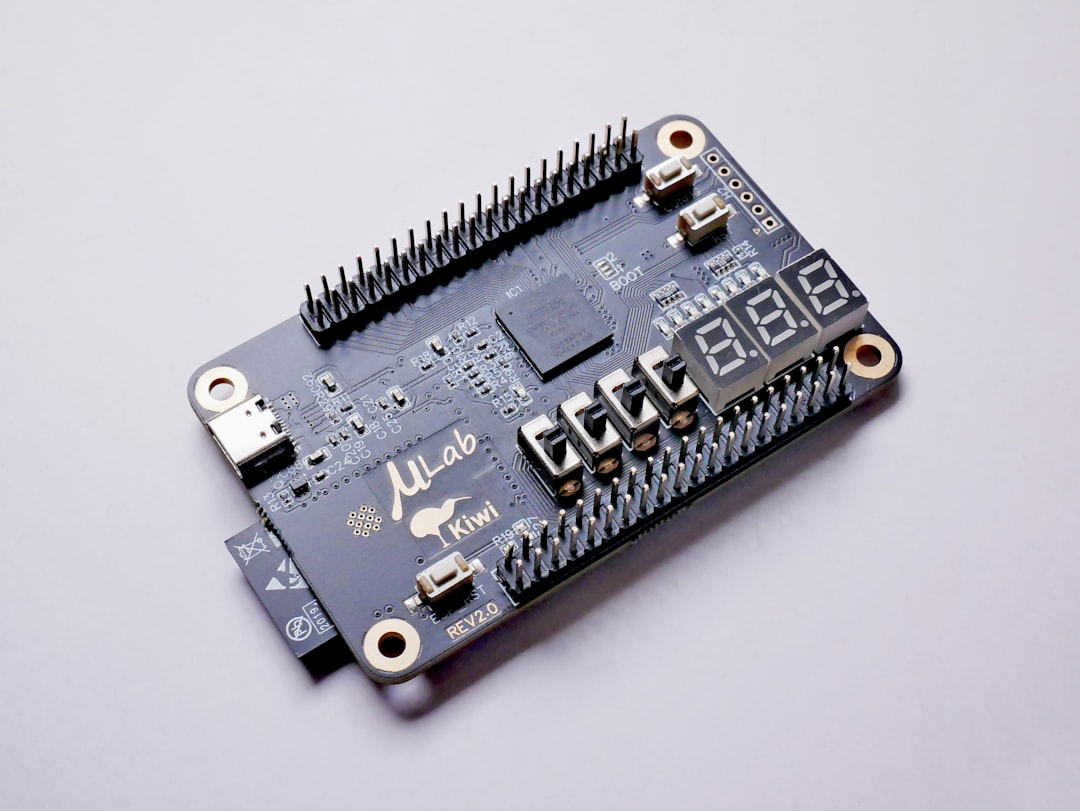
The world of smart devices keeps moving fast. In 2026, building connected gadgets is easier, cheaper, and way more fun than ever. Tiny boards with big power now let hobbyists and pros turn ideas into working products in days. If you love sensors, code, and blinking LEDs, this guide is for you.
TLDR
TLDR: The best IoT development boards in 2026 are powerful, affordable, and easy to use. ESP32, Arduino, Raspberry Pi, and Nordic boards dominate prototyping. Pick based on connectivity, power use, and community support. For fast ideas, go simple. For products, go robust.
What Makes a Great IoT Prototyping Board?
Before diving into boards, let us talk basics. A good IoT board should not confuse you. It should help you build fast.
- Connectivity. WiFi, Bluetooth, or both.
- Low power use. Batteries should last.
- Strong community. Tutorials matter.
- Good tools. Easy coding and debugging.
- Fair price. You will fry a board or two.
Now let us jump into the stars of 2026.
ESP32 Dev Boards
The ESP32 family is still king. In 2026, it is everywhere. And for good reason.
ESP32 boards offer WiFi and Bluetooth on a single chip. Some even add Thread and Matter support. That makes them perfect for smart homes.
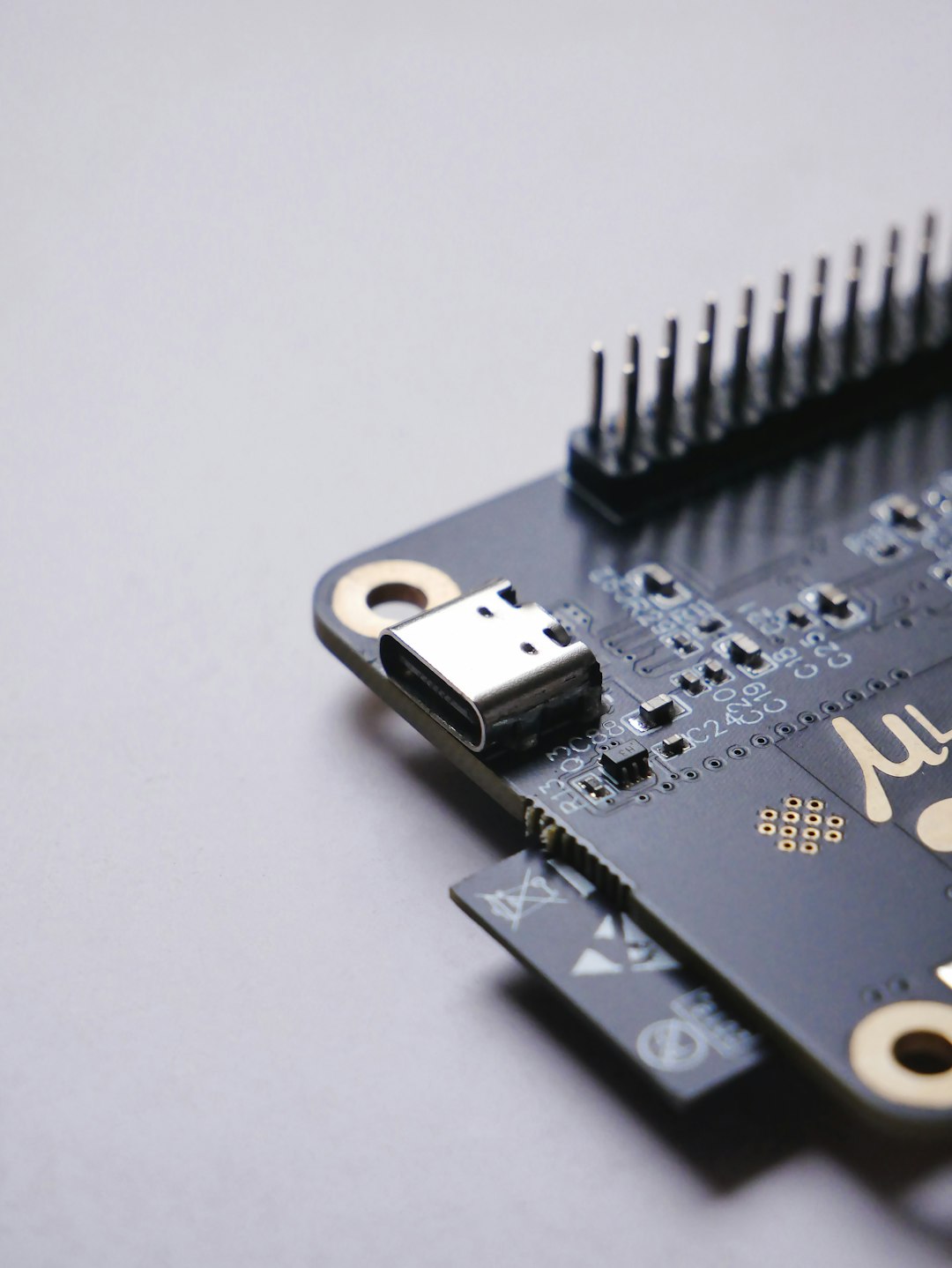
Why people love ESP32:
- Very low cost. Often under $10.
- Fast processors. Dual core power.
- Huge community. Endless examples.
- Flexible. Many board shapes.
Popular choices in 2026 include:
- ESP32-S3 for AI and voice.
- ESP32-C6 for Matter and Thread.
- ESP32-P4 for high performance tasks.
If you want speed and features without pain, start here.
Arduino Uno R4 and Friends
Arduino is still the friendly face of electronics. The Uno R4 has grown up nicely by 2026.
It is faster than older Unos. It has more memory. Some versions include WiFi and Bluetooth.
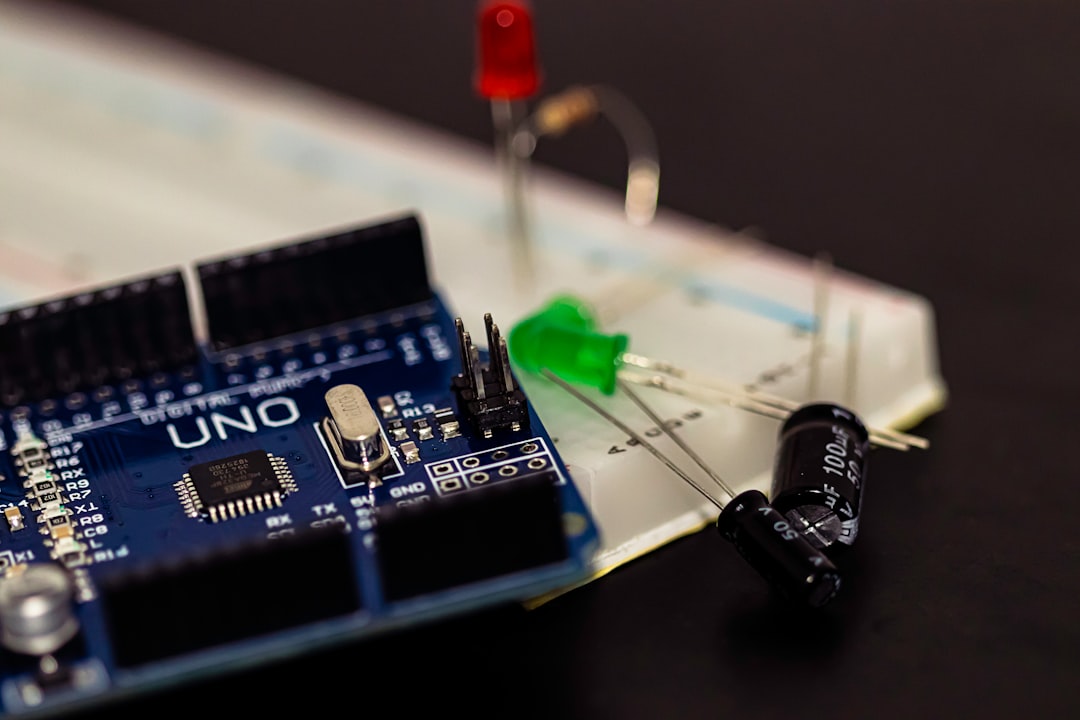
Why Arduino shines:
- Simple language. Easy for beginners.
- Strong ecosystem. Shields and sensors.
- Clear docs. Learning is smooth.
Good Arduino-based boards for IoT:
- Arduino Uno R4 WiFi
- Arduino Nano ESP32
- Arduino Portenta C33
Arduino boards are great when teaching, learning, or building clean prototypes.
Raspberry Pi Pico 2 and Raspberry Pi 5
Raspberry Pi covers two worlds. Tiny microcontrollers and full computers.
The Pico 2 is great for low power IoT. It uses the RP2350 chip. It is fast and cheap.
The Raspberry Pi 5 is a monster. It runs Linux. It handles cameras, screens, and AI tools.

Pick Pico boards if:
- You want low power.
- You write MicroPython or C.
- You need tight control.
Pick Pi 5 if:
- You need a full OS.
- You run edge servers.
- You want complex apps.
Many smart gateways use Pi 5 in 2026.
Nordic Semiconductor Dev Kits
Nordic boards are quiet heroes. They focus on wireless and battery life.
In 2026, the nRF52 and newer nRF54 series rule in wearables and sensors.
Why Nordic is loved:
- Ultra low power. Months on a coin cell.
- Rock solid Bluetooth.
- Professional tools.
Best boards:
- nRF52840 DK
- nRF54L Series DK
These boards are perfect for health tech and smart tags.
Particle Photon 2 and Argon
Particle likes to handle the hard stuff for you. Cloud, updates, and devices management.
The Photon 2 is compact and powerful. It includes WiFi and Bluetooth.
What makes Particle special:
- Cloud built in.
- Secure updates.
- Fleet management.
This is great for startups. You focus on the product. Particle handles the rest.
Downside? It costs more. But time saved is huge.
Seeed Studio XIAO Series
Small is cool. The XIAO boards are tiny but mighty.
They come in many flavors. ESP32, RP2040, Nordic, and more.
Why makers love them:
- Very small size.
- Low power.
- Perfect for wearables.
If space matters, start here.
STM32 Nucleo Boards
STM32 boards are common in industry. They are serious tools.
Nucleo boards are affordable and flexible. They support many chips.
Strengths include:
- High performance.
- Industrial grade.
- Long product life.
Learning curve is steeper. But power is huge.
Which Board Should You Choose?
There is no single best board. Only the best board for you.
Ask yourself:
- Do I need WiFi or Bluetooth?
- Will it run on batteries?
- Am I building one or many?
- Do I need cloud support?
Quick guide:
- Fast prototype: ESP32 or Arduino.
- Low power: Nordic or XIAO.
- Product scale: Particle or STM32.
- Edge gateway: Raspberry Pi 5.
Final Thoughts
IoT in 2026 is playful and powerful. The tools are mature. The prices are friendly.
You can build smart lights, trackers, pet feeders, or robots. All from your desk.
Pick a board. Plug it in. Write simple code. Watch your idea come alive.
And remember. The best prototype is the one you finish.