
As online platforms become more sophisticated at identifying users, the infrastructure behind internet access has grown equally complex. Individuals and organizations are increasingly required to think beyond a standard home or corporate IP address when conducting sensitive or large-scale online activities. One solution that has gained significant attention in recent years is the use of mobile proxies, a technology designed to provide higher levels of anonymity, legitimacy, and geographic flexibility on the web.
TLDR: Mobile proxies route your internet traffic through real mobile devices using cellular networks, making your connection appear like that of a regular smartphone user. They are harder to detect and block than traditional proxies and are often used when trust, scale, or location accuracy matters. Mobile proxies are particularly valuable for activities like web scraping, ad verification, and social media management. However, they are more expensive and should be used only when their unique advantages are truly necessary.
What Are Mobile Proxies?
A mobile proxy is a type of proxy server that assigns you an IP address from a mobile carrier’s network, such as those operated by telecom providers. When you connect through a mobile proxy, your internet traffic is routed through a real mobile device or cellular gateway, making it appear as if you are browsing from a smartphone or tablet connected to a 3G, 4G, or 5G network.
Unlike residential or datacenter proxies, mobile proxies rely on IP addresses that are shared dynamically among thousands of users. Mobile carriers regularly rotate these IPs to optimize their networks, which has the side effect of making individual users much harder to track or permanently block.
How Mobile Proxies Work
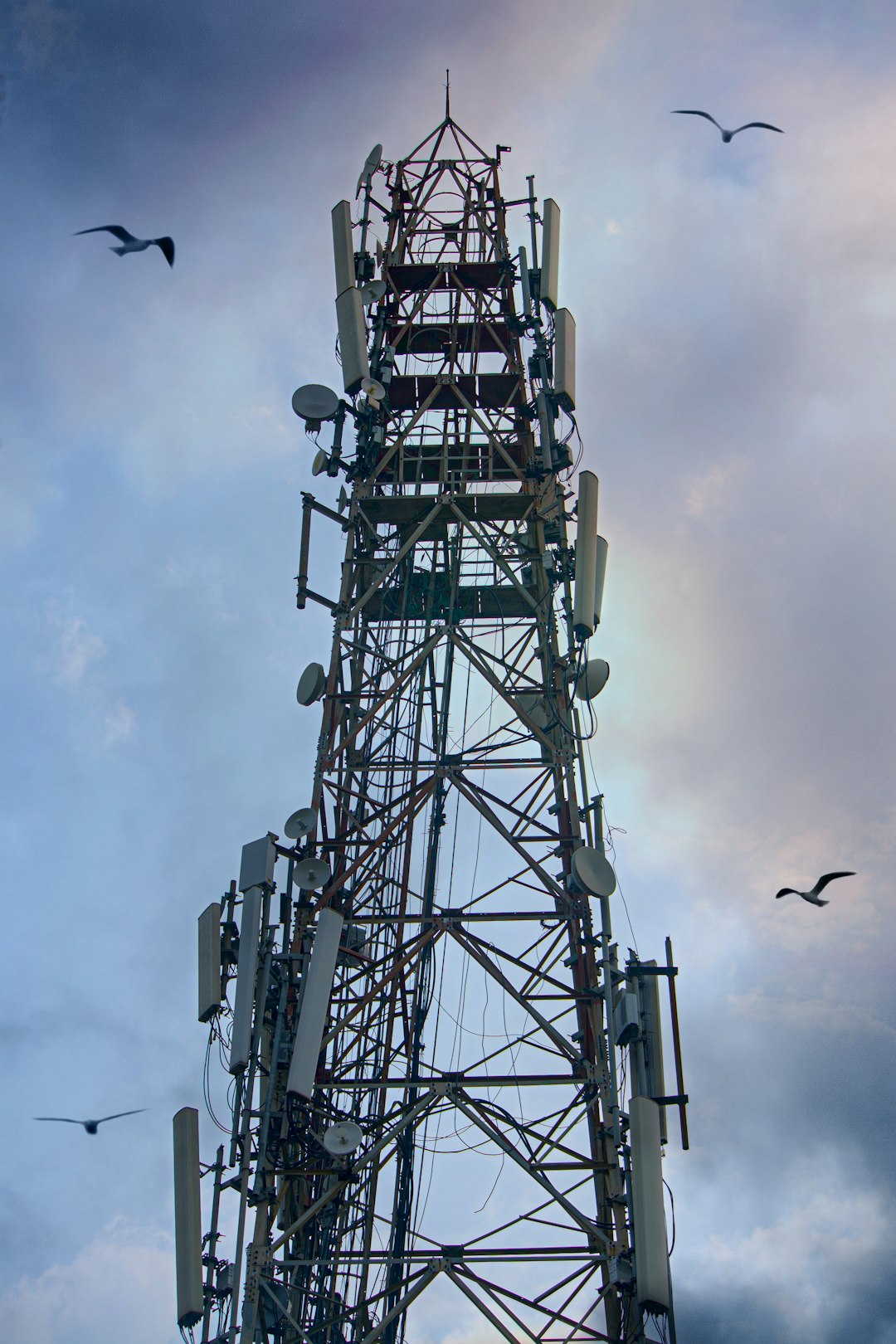
Mobile proxies function by leveraging the infrastructure of cellular networks. When you make a request through a mobile proxy, the request is forwarded to a mobile device or modem equipped with a SIM card. That device then accesses the internet through the carrier’s network and returns the response back to you.
This setup offers two important characteristics. First, the IP addresses belong to legitimate mobile carriers, which most websites consider low-risk. Second, IP rotation happens naturally and frequently, often without requiring manual intervention. Some providers also allow controlled rotation intervals, depending on the use case.
Mobile Proxies vs Other Proxy Types
To understand the value of mobile proxies, it is important to compare them with other commonly used proxy types:
- Datacenter proxies are fast and affordable but easy to detect, as their IPs originate from cloud hosting providers.
- Residential proxies use IPs tied to home internet connections, offering better legitimacy but still limited in some high-security environments.
- Mobile proxies use cellular IPs, which are more trusted by websites and widely shared among many users.
From a detection standpoint, mobile proxies are often considered the hardest to block, because blocking a single mobile IP could inadvertently block thousands of real mobile users.
Why Websites Trust Mobile IP Addresses
Most websites are cautious about restricting mobile traffic. Mobile users generate substantial revenue through apps, advertisements, and purchases, and their IP behavior is expected to change frequently. As a result, security systems typically apply more lenient rules to mobile IPs compared to datacenter traffic.
This trust is not accidental. Mobile networks use carrier-grade NAT (Network Address Translation), meaning many users share the same public IP. This makes precise fingerprinting difficult and raises the cost of aggressive blocking for websites.

Common Use Cases for Mobile Proxies
Mobile proxies are not designed for everyday browsing. Their strengths become apparent in specific professional and commercial scenarios where authenticity and scale are required.
- Web scraping and data collection: When collecting data from platforms that aggressively block bots, mobile proxies help maintain stable access.
- Social media management: Agencies managing multiple accounts reduce the risk of bans by using mobile IPs that reflect normal user behavior.
- Ad verification: Advertisers use mobile proxies to verify how ads appear in different locations and on mobile devices.
- Market research: Companies analyze search results, pricing, and content as seen by real mobile users in specific regions.
When You Actually Need Mobile Proxies
Despite their advantages, mobile proxies are not always the correct choice. They are most appropriate when websites rely heavily on IP reputation and behavior-based detection. If your activity is frequently blocked despite using residential proxies, or if you must appear as a genuine mobile user, mobile proxies may be justified.
They are also valuable when geographic precision on mobile networks is required, such as testing mobile-only offers or applications. For low-risk activities or internal testing, simpler proxy solutions are usually sufficient.
Limitations and Trade-Offs
Mobile proxies come with notable limitations that must be considered carefully. The most significant is cost. Mobile IPs are a scarce and valuable resource, and pricing often reflects this reality.
- Higher cost: Mobile proxies are significantly more expensive than datacenter or residential alternatives.
- Lower speed: Cellular networks can be slower and less stable than wired connections.
- Shared environment: Because IPs are heavily shared, session consistency may be limited.
These trade-offs mean that mobile proxies should be used strategically rather than as a default solution.

Legal and Ethical Considerations
Using mobile proxies is legal in most jurisdictions, but legality does not automatically imply ethical or compliant usage. Activities conducted through proxies must still adhere to platform terms of service, data protection laws, and regional regulations.
Businesses should ensure that their use of mobile proxies aligns with their compliance obligations and internal risk policies. Reputable proxy providers typically outline acceptable use policies and discourage misuse.
Choosing a Reliable Mobile Proxy Provider
Not all mobile proxy services are equal. A trustworthy provider should offer transparency regarding IP sources, rotation policies, and network coverage. Customer support and clear documentation are also important indicators of reliability.
- Clear explanation of how IPs are sourced
- Multiple geographic locations
- Flexible rotation and session controls
- Strong uptime and support guarantees
Evaluating these factors helps ensure that the service delivers consistent performance without unnecessary risk.
Conclusion
Mobile proxies represent one of the most robust tools available for accessing the web in a manner that closely resembles genuine human mobile behavior. Their ability to bypass strict detection systems makes them invaluable in certain professional contexts, particularly where trust and scale intersect.
However, their cost and technical limitations mean they are not suitable for every scenario. Understanding what mobile proxies are, how they work, and when they are truly needed is essential for making informed, responsible decisions in an increasingly restrictive online environment.