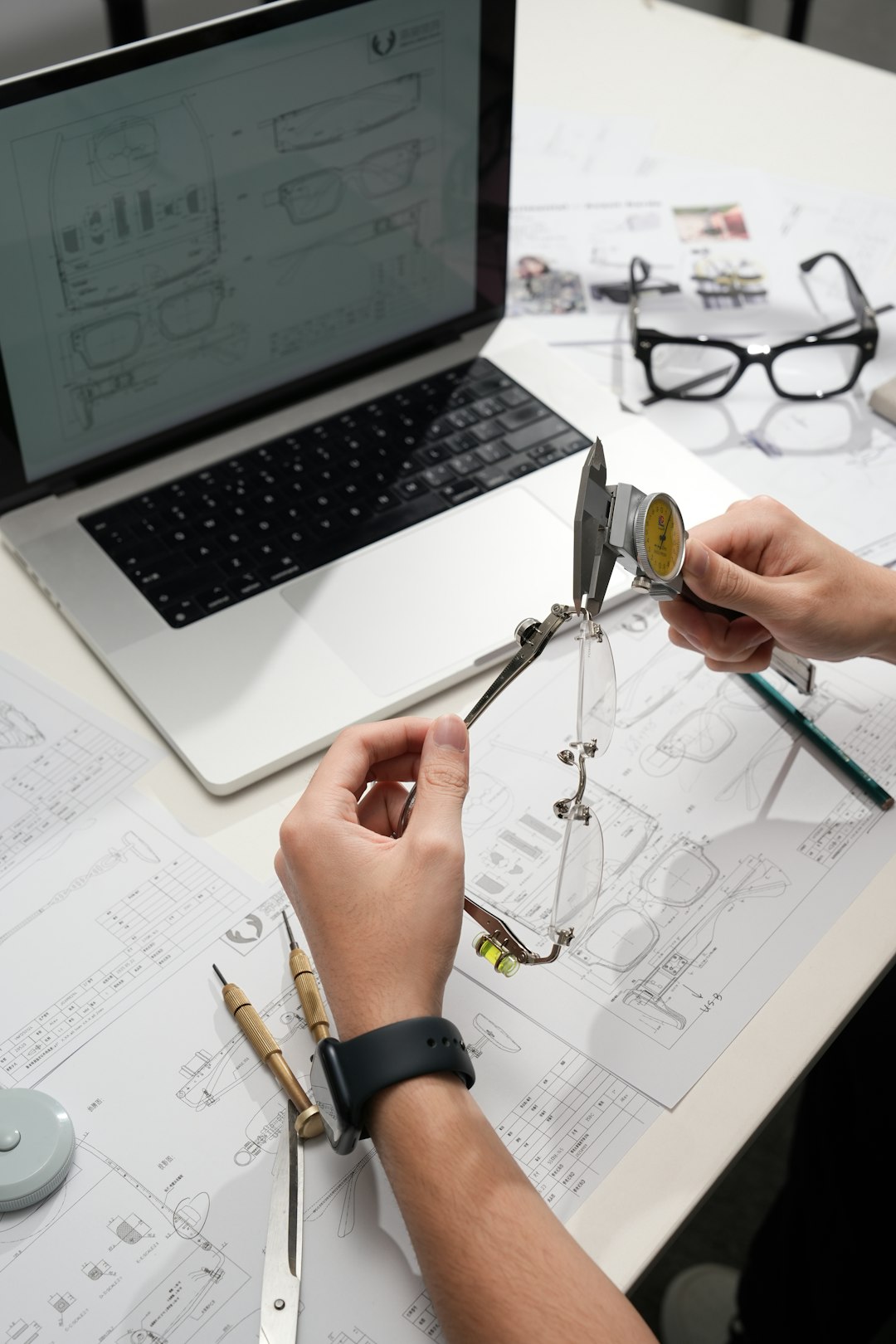
Refurbished products have quietly moved from bargain-bin secrets to mainstream shopping choices. From smartphones and laptops to kitchen appliances and gaming consoles, refurbished items are now widely available through manufacturers, certified resellers, and major retailers. But while the lower prices can be tempting, many buyers still wonder: Are refurbished products actually worth it? Understanding the advantages, disadvantages, and smart buying strategies can help you decide whether refurbished is a savvy investment—or a costly mistake.
TL;DR: Refurbished products can offer significant savings, eco-friendly benefits, and reliable performance—especially when purchased from trusted sellers with solid warranties. However, risks such as limited warranties, cosmetic flaws, or inconsistent grading standards mean buyers must proceed carefully. Always check return policies, certification details, and warranty coverage before purchasing. When done right, buying refurbished can be a smart, budget-conscious move.
What Does “Refurbished” Actually Mean?
Many people confuse refurbished items with “used,” but the two are not exactly the same. A refurbished product is typically a pre-owned item that has been returned due to defects, cosmetic damage, buyer’s remorse, or minor technical issues. It is then inspected, tested, repaired if necessary, and restored to working condition before being resold.
However, not all refurbishments are equal. Products may be:
- Manufacturer refurbished – Restored by the original brand (often the safest option).
- Seller refurbished – Refurbished by a third-party retailer or reseller.
- Certified refurbished – Tested and certified to meet specific standards.
- Open-box – Returned items that may not have been used much, if at all.
The process usually includes diagnostics, replacement of faulty components, cleaning, repackaging, and quality testing.
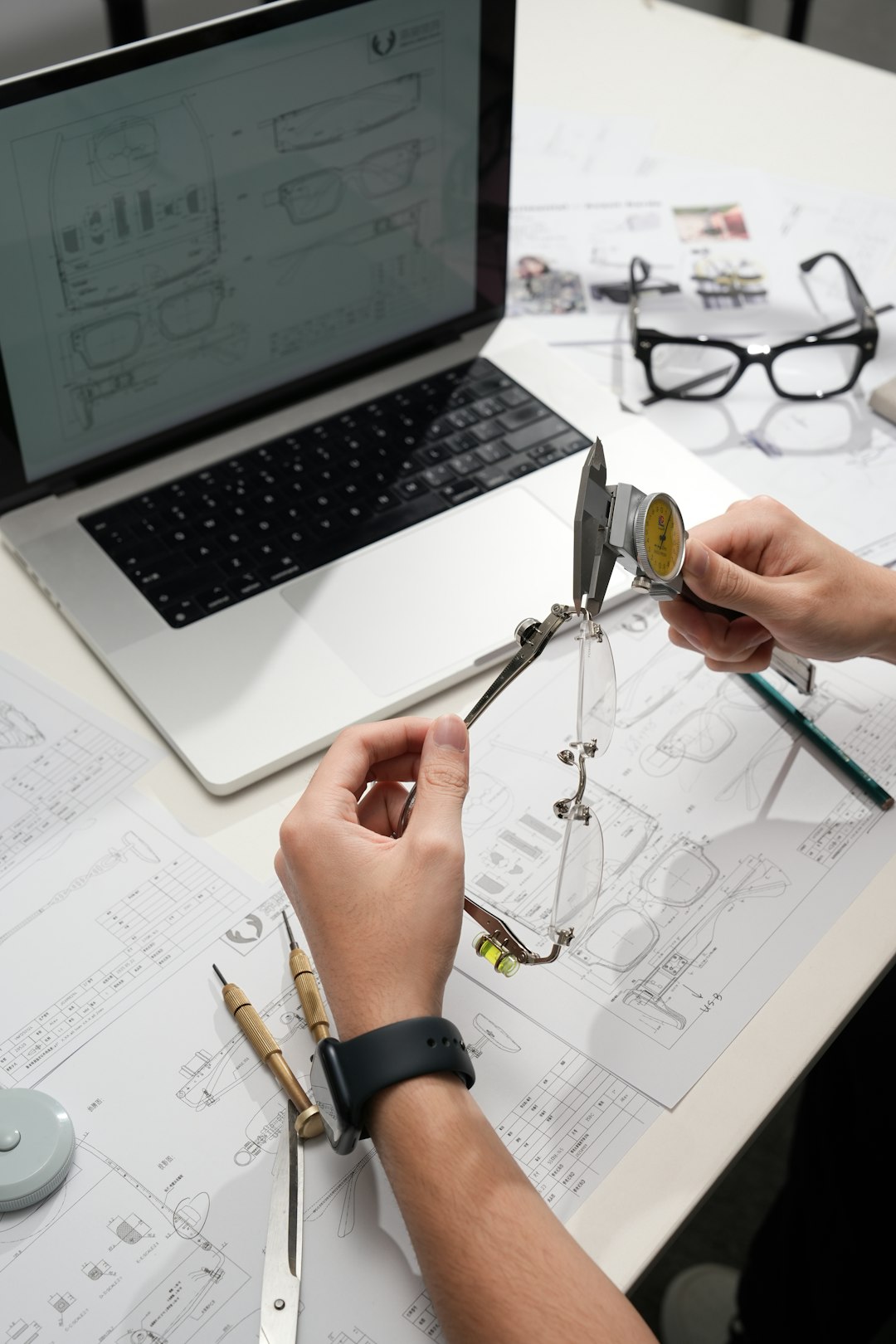
The Pros of Buying Refurbished Products
1. Significant Cost Savings
The most obvious benefit is price. Refurbished items often cost 15% to 50% less than their brand-new counterparts. For high-ticket electronics like smartphones, laptops, and gaming consoles, that can mean hundreds of dollars in savings.
In many cases, the internal hardware is identical to new models—especially if the refurbishment merely addressed cosmetic blemishes or packaging damage.
2. Environmentally Friendly Choice
Buying refurbished helps reduce electronic waste and limits demand for new manufacturing. Producing electronics requires rare earth materials, water, and energy. By giving products a second life, consumers reduce their environmental footprint.
If sustainability matters to you, refurbished is one of the simplest eco-conscious purchases you can make.
3. Access to Higher-End Models
Refurbished pricing can make premium models more affordable. Instead of buying a brand-new budget device, you might be able to afford last year’s flagship model—with better performance and features.
4. Tested and Inspected
Unlike typical used items sold by individuals, refurbished products usually undergo inspection and testing. In some cases, problematic parts are replaced entirely, making them potentially more reliable than buying directly from a private seller.
5. Warranty Coverage (Sometimes)
Many certified refurbished products come with limited warranties ranging from 30 days to one year. While not always as comprehensive as new-product warranties, this coverage can provide peace of mind.
The Cons of Buying Refurbished Products
1. Limited Warranty Periods
Refurbished warranties are often shorter than those for new products. Some may offer only 90 days of coverage, which may not be sufficient for long-term confidence.
2. Cosmetic Imperfections
Many refurbished devices are graded by condition, such as:
- Grade A – Like new, minimal to no visible wear
- Grade B – Light scratches or minor signs of use
- Grade C – Noticeable cosmetic flaws
Functionality is typically unaffected, but appearance might not meet everyone’s expectations.
3. Inconsistent Refurbishment Standards
There is no universal refurbishment standard. Quality may vary dramatically between sellers. A manufacturer-certified device is often more reliable than one refurbished by an unknown third-party marketplace seller.
4. Older Technology
Refurbished products are usually not the newest models. While this isn’t necessarily a problem, it may mean:
- Shorter remaining software support
- Outdated hardware features
- Reduced compatibility with newer accessories
Potential Risks to Consider
While refurbished purchases can be smart, there are risks buyers should evaluate carefully.

1. Battery Degradation
For electronics like smartphones and laptops, battery health can be a concern. Some refurbishers replace batteries, while others only test them for minimum performance standards. Make sure you understand the policy.
2. Missing Accessories
Refurbished items may ship in generic packaging and may not include original accessories. Chargers, cables, headphones, or manuals may be third-party replacements.
3. Return Restrictions
Some sellers impose restocking fees or short return windows. If the product doesn’t meet expectations, returning it could be costly or inconvenient.
4. Hidden Technical Limitations
In rare cases, certain features may not function fully (for example, reduced waterproof ratings if a phone was opened during repair). Be sure to read product descriptions carefully.
When Buying Refurbished Makes Sense
Refurbished products are particularly worthwhile in specific scenarios:
- You want the best value for your budget.
- You’re buying a secondary device (like a backup phone or travel laptop).
- You plan to upgrade again soon and don’t need the latest model.
- You’re comfortable with minor cosmetic wear.
- You prioritize sustainability.
They may be less appropriate if you need cutting-edge performance, long-term warranty protection, or pristine aesthetics.
Smart Buying Tips for Refurbished Products
If you decide to buy refurbished, use these practical tips to reduce risk and maximize value.
1. Buy From Reputable Sellers
Whenever possible, purchase directly from the manufacturer or authorized retailers. Look for certifications and clear refurbishment standards.
2. Check the Warranty Details
Don’t just look for the word “warranty.” Read the fine print:
- How long does it last?
- What does it cover?
- Are shipping costs included for repairs?
- Is extended coverage available?
3. Review the Return Policy
A minimum 30-day return window is ideal. Avoid sellers that charge steep restocking fees.
4. Understand the Condition Grading
Look closely at how the seller defines grading levels. If possible, choose Grade A or “Like New” for cosmetic peace of mind.
5. Compare Prices Carefully
Sometimes brand-new items go on sale for prices close to refurbished ones. Before purchasing, compare:
- The refurbished price
- The current new price
- Warranty differences
- Included accessories
If the price difference is minimal, buying new may be safer.
6. Inspect Immediately Upon Arrival
Test all features thoroughly:
- Screen quality
- Buttons and ports
- Battery performance
- Audio and camera functionality
- Connectivity (WiFi, Bluetooth)
Report any issues immediately within the return window.
7. Consider Extended Protection Plans
If available at a reasonable cost, extended warranties can add valuable protection—especially for expensive devices.
Refurbished vs. Used: Which Is Safer?
While both options involve pre-owned products, refurbished generally offers more security than buying used directly from individuals.
Refurbished advantages over used:
- Professional inspection and testing
- Possible warranty coverage
- Clear condition grading
- Return options
With used purchases from private sellers, the risk is typically higher due to the absence of quality control or guarantees.
Image not found in postmetaCommon Myths About Refurbished Products
Myth 1: Refurbished Means Broken
In reality, many items are returned simply due to buyer’s remorse or minor packaging damage—not major defects.
Myth 2: Refurbished Products Don’t Last
If properly restored, refurbished electronics can last just as long as new ones, especially when faulty parts have been replaced.
Myth 3: It’s Always a Huge Gamble
While there is some risk, informed purchasing dramatically lowers the chance of disappointment.
Final Verdict: Should You Buy Refurbished?
The answer depends on your priorities. If you value savings, sustainability, and smart spending—and you’re willing to do a little research—refurbished products can offer excellent value. However, if you want the latest model with maximum warranty protection and flawless appearance, buying new may provide greater peace of mind.
The key is informed decision-making. Refurbished products are neither inherently risky nor automatically perfect bargains. They are simply another option—one that rewards careful shoppers.
When purchased from reputable sources, with proper warranties and return protections in place, refurbished products can deliver impressive performance at a fraction of the cost. By understanding the pros, cons, risks, and smart buying strategies, you can confidently decide whether refurbished is right for you.