Proactiv has been one of the most recognizable acne treatment brands for decades, promising clearer skin through a simple, dermatologist-backed system. From late-night infomercials to social media promotions, it has positioned itself as a reliable solution for teens and adults struggling with breakouts. But with so many skincare options available today, people often wonder: Does Proactiv really work? This article takes a closer look at its effectiveness, key ingredients, customer experiences, and whether it may be the right fit for different skin types.
TLDR: Proactiv can be effective for mild to moderate acne, especially for those with oily or combination skin. Its formulas typically rely on proven ingredients like benzoyl peroxide, adapalene, and salicylic acid to target breakouts and prevent clogged pores. Many users report clearer skin after consistent use, though dryness and irritation are common side effects. Results vary depending on skin type, acne severity, and adherence to the treatment routine.
What Is Proactiv?
Proactiv is a multi-step acne treatment system originally developed by dermatologists. Instead of offering a single product, the brand provides coordinated kits designed to cleanse, treat, and moisturize the skin. The philosophy behind the system is simple: consistent daily care with active acne-fighting ingredients can help reduce breakouts and prevent new ones from forming.
The brand offers several systems, including formulas tailored for sensitive skin and adult acne. Each system typically includes:
- A cleanser to remove dirt, oil, and impurities
- A treatment product containing active acne-fighting ingredients
- A moisturizer to hydrate and support the skin barrier
Some packages also include toners, masks, or targeted spot treatments.
How Does Proactiv Work?
Proactiv works by targeting the main causes of acne: excess oil production, clogged pores, inflammation, and bacteria. The effectiveness largely depends on its active ingredients and how consistently users apply the system.
1. Benzoyl Peroxide
Many classic Proactiv systems rely on benzoyl peroxide, a well-known and dermatologist-recommended acne treatment. It works by:
- Killing acne-causing bacteria (Cutibacterium acnes)
- Reducing inflammation
- Helping unclog pores
Benzoyl peroxide is particularly effective for inflammatory acne, such as red pimples and pustules. However, it can cause dryness, redness, or peeling, especially when first introduced.
2. Adapalene
Some newer Proactiv formulas include adapalene, a topical retinoid. Adapalene helps regulate skin cell turnover, preventing dead skin cells from clogging pores. It is especially useful for:
- Blackheads
- Whiteheads
- Long-term acne prevention
Retinoids are widely supported by dermatological research, making this ingredient a strong addition for those with persistent breakouts.
3. Salicylic Acid
Certain Proactiv lines use salicylic acid, a beta hydroxy acid (BHA) that exfoliates inside the pores. It is generally gentler than benzoyl peroxide and may be more suitable for sensitive skin types.
Effectiveness: What the Research Suggests
From a clinical standpoint, the ingredients used in Proactiv are backed by scientific evidence. Benzoyl peroxide and adapalene are commonly recommended first-line treatments for mild to moderate acne.
Studies show that:
- Daily benzoyl peroxide use can reduce acne lesions within 6–8 weeks.
- Adapalene improves both inflammatory and non-inflammatory acne over time.
- Combination therapy often yields better results than single-product approaches.
Since Proactiv delivers these ingredients as part of a structured system, it encourages consistency—one of the most important factors in acne treatment success. However, it may not be sufficient for severe cystic acne, which often requires prescription medication or oral treatments.
Pros and Cons of Using Proactiv
Pros
- Uses clinically supported acne-fighting ingredients
- Easy-to-follow routine
- Widely available without prescription
- Multiple product options for different skin types
Cons
- Can cause dryness and irritation
- May not be strong enough for severe acne
- Requires consistent use for noticeable results
- Some users find it relatively expensive long-term
Customer Reviews: What Are People Saying?
Customer feedback on Proactiv is mixed but generally leans positive for mild to moderate acne cases.
Positive Reviews
Many users report noticeable improvement within 4–8 weeks. Common praise includes:
- Reduced breakouts
- Smoother skin texture
- Less oiliness throughout the day
Teenagers and young adults with hormonal acne frequently describe Proactiv as a reliable starter system before seeking prescription solutions.
Negative Reviews
On the other hand, some users complain about:
- Excessive dryness or peeling
- Burning or stinging sensations
- Initial “purging” periods
- Breakouts returning after stopping use
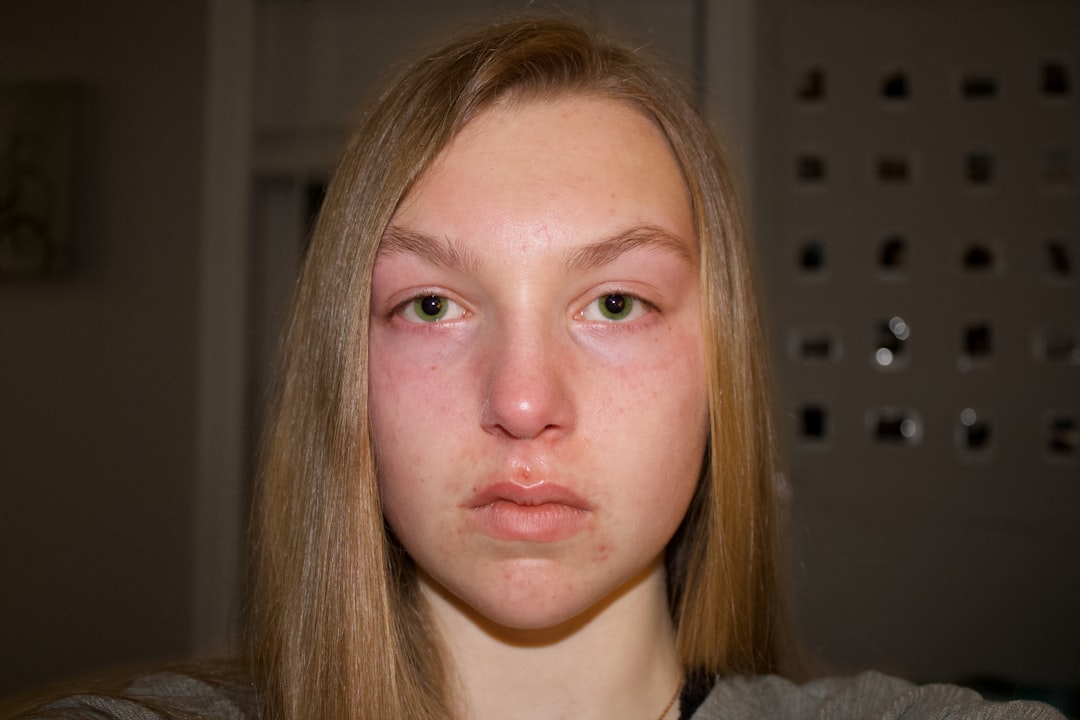
These experiences are not unique to Proactiv and are associated with many active acne treatments. Skin sensitivity plays a significant role in how well someone tolerates the system.
Who Is Proactiv Best For?
Proactiv may be most effective for:
- Teens and young adults with mild to moderate acne
- Oily or combination skin types
- Individuals seeking an over-the-counter routine
It may be less suitable for:
- People with very dry or reactive skin
- Those with severe cystic acne
- Individuals already using prescription retinoids or antibiotics

How Long Does It Take to See Results?
Most dermatologists recommend giving acne treatments at least 6–12 weeks before judging effectiveness. With Proactiv, some users see improvements in as little as two weeks, but significant changes typically take a couple of months.
It is also common for skin to go through an adjustment phase during the first few weeks. This may include temporary dryness, redness, or mild purging as clogged pores begin to clear.
Tips for Using Proactiv Successfully
To increase the likelihood of positive results, users should:
- Start slowly if skin is sensitive (every other day application at first)
- Use a gentle sunscreen daily, especially with retinoid products
- Avoid combining with other harsh exfoliants
- Apply a non-comedogenic moisturizer to combat dryness
Consistency is critical. Skipping applications or stopping treatment too early often limits effectiveness.
Is Proactiv Worth It?
Whether Proactiv is “worth it” depends on individual needs and expectations. For someone experiencing occasional breakouts or moderate acne, the structured system and proven ingredients can deliver noticeable improvements. However, for those with severe or scarring acne, professional medical advice may be necessary.
Ultimately, Proactiv is neither a miracle cure nor a gimmick. It is a well-formulated, over-the-counter acne treatment system built on ingredients that dermatologists trust. Results depend on skin type, acne severity, and commitment to the routine.
Frequently Asked Questions (FAQ)
-
1. Does Proactiv work for cystic acne?
Proactiv may help mild cystic breakouts, but severe cystic acne often requires prescription-strength medication or dermatologist supervision. -
2. How long should someone use Proactiv?
Most people should try it consistently for at least 8–12 weeks before deciding if it is effective. Acne maintenance may require ongoing use. -
3. Does Proactiv cause purging?
Yes, some users experience temporary purging, particularly with retinoid-based formulas. This usually subsides within a few weeks. -
4. Is Proactiv safe for sensitive skin?
Certain versions are formulated for sensitive skin, but irritation is still possible. Starting slowly and moisturizing regularly can help. -
5. Can adults use Proactiv?
Yes. Proactiv offers systems specifically designed for adult acne, which can differ from teenage acne in cause and presentation. -
6. What happens if someone stops using Proactiv?
If the underlying causes of acne persist, breakouts may return after discontinuing treatment.