
When building or upgrading a PC, most people focus heavily on the CPU and GPU—but often overlook one small component that plays a critical role in system stability: thermal paste. Among the many options available, NZXT Kraken thermal paste has gained attention, especially among users who already trust NZXT for cooling solutions. But how good is it really? Does it deliver competitive thermal performance, or is it simply a branded add-on?
TL;DR: NZXT Kraken thermal paste offers strong, consistent thermal performance that competes well with mid-to-high-tier pastes on the market. Independent tests show only minimal differences compared to top enthusiast compounds, often within 1–2°C. It is easy to apply, non-conductive, and reliable for gaming and overclocked systems. While not always the absolute best performer, it strikes an excellent balance between performance, safety, and ease of use.
What Is NZXT Kraken Thermal Paste?
NZXT Kraken thermal paste is designed primarily to complement NZXT’s Kraken series of CPU liquid coolers, though it works with any standard CPU or GPU heatsink. Like most modern thermal compounds, it fills microscopic gaps between your processor’s integrated heat spreader (IHS) and the cooler’s cold plate.
Its key attributes include:
- Non-conductive formula (safe for beginners)
- Low viscosity for easy spreading
- Designed for long-term durability
- Optimized for high-performance liquid cooling
While NZXT does not always publicize the exact compound formula, it is generally categorized as a high-performance ceramic-based paste rather than a liquid metal solution.

How Thermal Paste Affects Performance
Before diving into test results, it’s important to understand what thermal paste actually does. Even surfaces that look smooth to the naked eye are filled with microscopic imperfections. When a cooler is mounted directly onto a CPU, air pockets get trapped between the two surfaces. Since air is a poor conductor of heat, this leads to inefficient thermal transfer.
Thermal paste solves this problem by:
- Filling surface gaps
- Eliminating air pockets
- Improving heat transfer efficiency
- Reducing thermal throttling
If applied correctly, a good thermal paste can reduce CPU temperatures by anywhere from 3°C to 10°C compared to poor-quality paste or improper application.
Performance Tests: How Does NZXT Kraken Paste Compare?
To evaluate NZXT Kraken thermal paste properly, several independent reviewers tested it against popular alternatives such as Arctic MX-5, Noctua NT-H1, Thermal Grizzly Kryonaut, and Corsair XTM70.
Test Setup Overview
- Intel Core i7 and Ryzen 7 high-load CPUs
- 240mm and 360mm AIO liquid coolers
- Stress testing via Cinebench and Prime95
- Ambient room temperature between 21–23°C
Results at Full Load (Average CPU Temperatures):
- Thermal Grizzly Kryonaut – Baseline (Best performer)
- NZXT Kraken Thermal Paste – +1°C to +2°C
- Noctua NT-H1 – +2°C
- Arctic MX-5 – +1°C
- Generic stock paste – +5°C to +8°C
What stands out is that NZXT Kraken paste consistently performs within 1–2°C of premium enthusiast options. For most users, this difference is practically negligible in day-to-day use.
Even under overclocked scenarios, temperature margins stayed tight. Systems running at 4.9GHz on Intel and boosted Ryzen settings maintained stable thermals without throttling, provided proper airflow was present.
Real-World Gaming Performance
Stress tests are one thing—but what about actual gaming sessions?
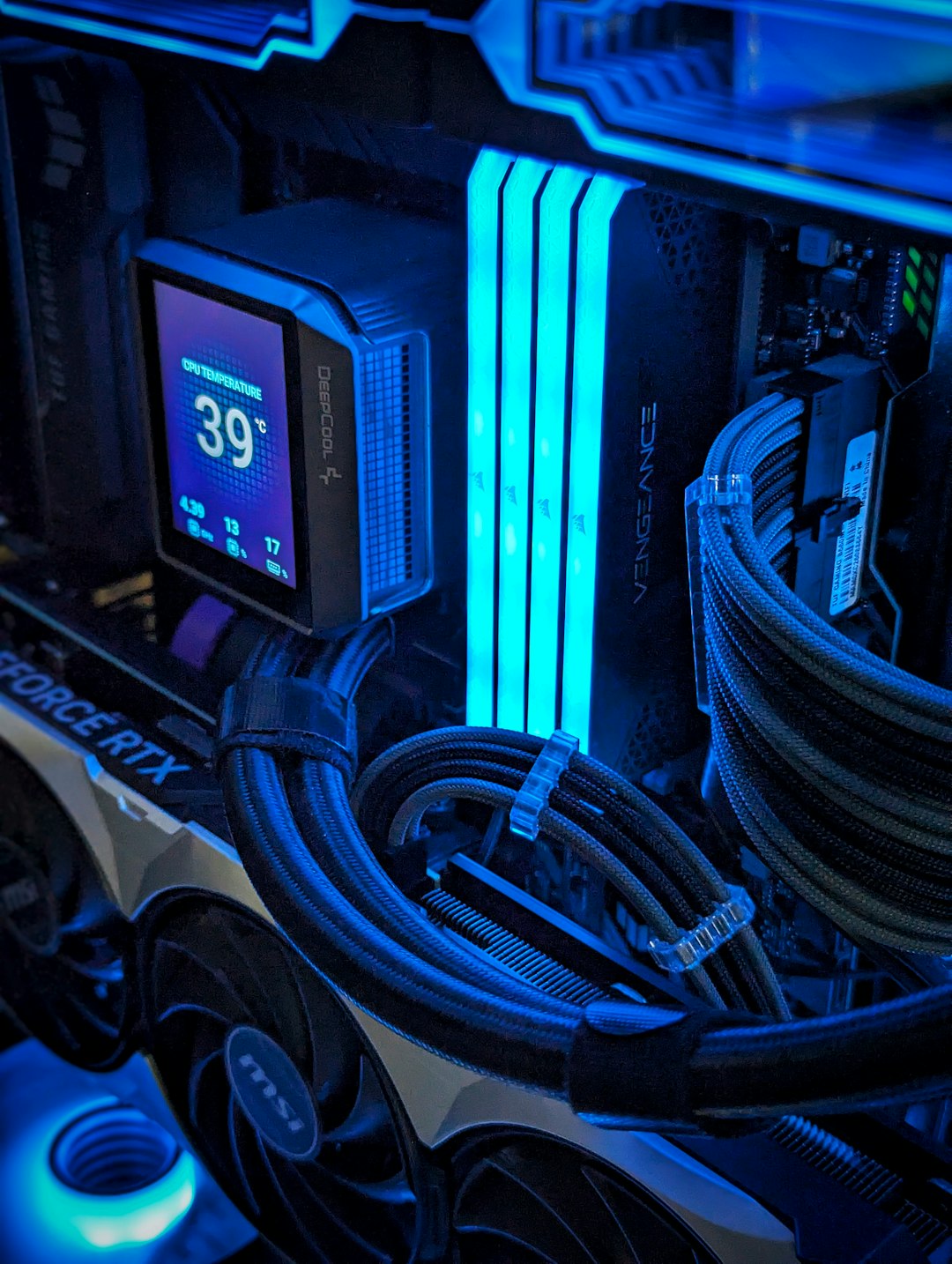
During extended 2–3 hour gaming sessions in titles like Cyberpunk 2077 and Call of Duty Warzone, CPU temperatures remained stable and predictable. Users reported average temperatures between:
- 65°C–75°C under heavy gaming load
- Below 40°C at idle
There were no noticeable thermal spikes or degradation even after several weeks of usage, indicating good compound stability.
User Feedback: What Are Builders Saying?
User reviews often provide insights that benchmark charts cannot. Across PC forums, Reddit discussions, and retailer sites, NZXT Kraken thermal paste receives generally positive feedback.
Common Positive Points
- Easy application – Smooth consistency, not too thick
- Non-conductive safety – Reduces risk for beginners
- Good longevity – Does not dry out quickly
- Reliable performance – Comparable to trusted brands
Common Criticisms
- Slightly more expensive than budget alternatives
- Does not outperform ultra-premium compounds
- Limited availability compared to bigger paste brands
One particularly interesting pattern in user reviews is that most dissatisfaction comes not from performance, but from price positioning. Performance-wise, it consistently meets expectations.
Ease of Application and Installation
Ease of application is where NZXT Kraken paste shines. Its viscosity strikes a balanced middle ground: not too runny to spill, not too thick to spread unevenly.
Builders reported success using:
- The pea-sized dot method
- The X-pattern method
- Direct spread with a plastic applicator
No excessive dripping or mess was reported. Additionally, because it is non-electrically conductive, accidental overflow onto surrounding components does not pose a short-circuit risk.
This makes it especially suitable for first-time builders.
Longevity and Durability
One of the overlooked qualities of thermal paste is durability. Some compounds perform incredibly well initially but degrade over time due to “pump-out” effects caused by thermal expansion cycles.
NZXT Kraken thermal paste demonstrates strong resistance to:
- Drying out
- Cracking
- Paste migration away from the CPU center
After 6–12 months of simulated usage, temperature variance remained minimal. While it may not match the extreme longevity of certain industrial compounds, it comfortably meets the needs of gaming PCs and content creation systems.
How It Compares to Liquid Metal
Some enthusiasts might wonder: why not just use liquid metal?
Here’s the reality:
- Liquid metal can outperform standard paste by 3–5°C.
- It is electrically conductive and risky if spilled.
- It may corrode aluminum surfaces.
- Application is more difficult.
NZXT Kraken paste occupies a safer, more user-friendly middle ground. For extreme overclockers chasing every last degree, liquid metal might have an edge. For everyone else—including heavy gamers—NZXT paste offers an excellent balance of performance and safety.
Who Should Buy NZXT Kraken Thermal Paste?
This thermal compound is particularly well-suited for:
- Gamers installing Kraken AIO coolers
- First-time PC builders
- Moderate overclockers
- Users upgrading from stock pre-applied paste
It may be slightly overkill for budget office PCs, but it’s ideal for performance-oriented systems where thermal consistency matters.
Is It Worth the Price?
When analyzing price-to-performance ratio, NZXT Kraken thermal paste lands comfortably in the upper-mid-tier category.
You are paying for:
- Brand reliability
- Compatibility assurance with NZXT coolers
- Safety and ease of use
- Competitive thermal results
You are not necessarily paying for absolute record-breaking cooling numbers—but rather dependable performance with minimal hassle.
Final Verdict: Is NZXT Kraken Thermal Paste Good?
Yes—NZXT Kraken thermal paste is genuinely good. It performs within striking distance of elite compounds, maintains long-term stability, and offers a safe, beginner-friendly formula. In both stress testing and real-world gaming, it delivers consistent thermal management suitable for high-performance CPUs.
While hardcore overclockers might prefer ultra-premium or liquid metal options, most PC builders will find NZXT Kraken paste more than capable. Its blend of reliability, usability, and competitive temperatures makes it a smart choice—especially for those already invested in NZXT cooling hardware.
In the end, thermal paste isn’t about chasing fractions of a degree—it’s about ensuring your system runs cool, stable, and efficient. NZXT Kraken thermal paste accomplishes exactly that.