Voice assistant devices have evolved from novelty gadgets into the central nervous system of the modern smart home. With the right setup, they can coordinate lighting, climate control, security, entertainment, and daily routines with remarkable precision. However, not all devices offer the same level of reliability, ecosystem compatibility, or privacy safeguards. Choosing the best voice assistant device requires a careful look at performance, integration, and long-term support.
TLDR: The best voice assistant devices combine accurate voice recognition, broad smart home compatibility, and strong privacy features. Amazon Echo, Google Nest, and Apple HomePod remain the top contenders, each excelling in different ecosystems. Your ideal choice depends on whether you prioritize device compatibility, sound quality, or privacy. A seamless smart home experience comes from selecting a device that aligns with your existing technology and daily habits.
What Defines a Truly Seamless Smart Home?
A seamless experience means more than responding to commands. It involves:
- Fast and accurate voice recognition
- Reliable integration with third-party smart devices
- Intuitive app controls
- Automation capabilities and routines
- Strong data privacy protections
- Consistent software updates and ecosystem growth
The most effective voice assistants anticipate needs, automate repetitive tasks, and unify devices under one coherent system. The three dominant platforms—Amazon Alexa, Google Assistant, and Apple Siri—each bring distinct advantages.
Amazon Echo Devices (Alexa)
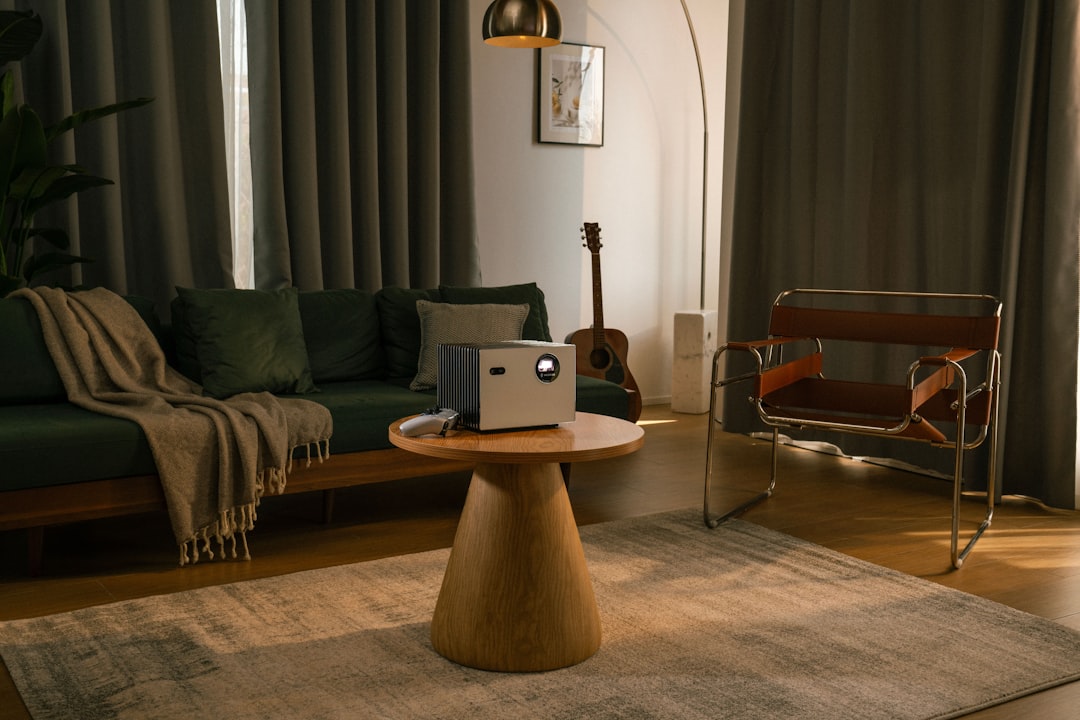
Amazon’s Echo lineup remains one of the most versatile and widely supported smart home ecosystems. Alexa integrates with an extensive array of third-party devices, making it ideal for users with diverse brands of smart lighting, locks, thermostats, and appliances.
Best Models to Consider
- Echo (5th Gen) – A balanced option offering strong sound and built-in smart home hub features.
- Echo Dot (5th Gen) – Compact and affordable, ideal for multi-room setups.
- Echo Show 8 or 10 – Includes a display for video calls, security camera feeds, and visual controls.
Strengths
- Extensive third-party compatibility
- Highly customizable routines
- Competitive pricing across device range
- Zigbee hub integration in select models
Alexa excels in automation complexity. Users can create multi-step routines triggered by voice commands, schedules, or sensor activity. For example, saying “Good night” can simultaneously turn off lights, adjust the thermostat, lock doors, and activate security systems.
Consideration: While Amazon has strengthened its privacy controls, some users remain cautious about data usage practices. Fortunately, Alexa devices now offer microphone mute buttons and clear voice data management tools.
Google Nest Devices (Google Assistant)
Google Nest products are widely recognized for superior voice recognition accuracy and natural language processing. Google Assistant handles conversational queries exceptionally well, making it ideal for users who rely heavily on voice interactions.
Best Models to Consider
- Nest Audio – Balanced audio quality and robust Assistant performance.
- Nest Mini – Budget-friendly and compact.
- Nest Hub (2nd Gen) – Smart display with sleep tracking and visual dashboard.

Strengths
- Exceptional natural language understanding
- Strong integration with Google services
- Visual, user-friendly smart home dashboards
- Accurate multi-user voice recognition
Google Assistant shines in households that rely on Gmail, Google Calendar, Google Maps, and YouTube. Its contextual awareness means you can ask follow-up questions without repeating the subject, creating a more fluid conversational experience.
Consideration: While Google’s ecosystem is expanding, its compatibility list, although robust, is slightly narrower than Alexa’s in certain niche categories.
Apple HomePod (Siri)
Apple’s HomePod lineup prioritizes privacy, sound quality, and ecosystem integration. It is particularly well suited to users deeply invested in Apple products such as iPhones, iPads, MacBooks, and Apple TV.
Best Models to Consider
- HomePod (2nd Gen) – Premium sound quality with room-sensing audio calibration.
- HomePod Mini – Compact design with solid performance and Thread support.
Strengths
- Industry-leading privacy standards
- Seamless Apple ecosystem integration
- High-fidelity sound quality
- Thread and Matter compatibility for modern smart homes
Apple’s approach to smart homes centers around the HomeKit framework. While historically limited in compatible devices, adoption of the Matter standard is rapidly improving cross-platform integration. If privacy is your top concern, Apple’s on-device processing and transparency remain compelling advantages.
Consideration: Siri’s third-party integrations are not as extensive as Alexa’s or Google Assistant’s, making careful compatibility checks essential before purchase.
Smart Displays vs. Smart Speakers
When building a seamless smart home, deciding between a display-equipped device and a speaker-only device matters.
Advantages of Smart Displays
- Visual control of cameras and doorbells
- On-screen smart home dashboards
- Video calls and streaming
- Step-by-step cooking instructions
Advantages of Smart Speakers
- Lower cost
- More discreet placement
- Focus on audio performance
- Ideal for multi-room expansion
For central living areas and kitchens, smart displays often elevate usability. Bedrooms and secondary spaces may benefit more from compact audio-focused speakers.
Key Features to Prioritize

Beyond brand selection, the following features significantly enhance the smart home experience:
1. Matter Compatibility
Matter is a new universal connectivity standard supported by major technology companies. Devices that support Matter can communicate more easily across ecosystems, reducing lock-in risk.
2. Built-in Hubs
Some devices include Zigbee or Thread hubs. This eliminates the need for separate bridges and ensures faster device response times.
3. Multi-Room Audio
Synchronized playback across multiple speakers creates a seamless entertainment experience.
4. Advanced Routines and Automation
The complexity and customization of automation determine how intelligent your smart home feels. Look for devices that allow conditional triggers, such as time of day or occupancy sensors.
5. Privacy Controls
Physical mute switches, encrypted communication, and clear voice history management tools are essential for trust and security.
Security and Privacy Considerations
A seamless experience must not compromise security. Strong encryption, two-factor authentication, and granular access controls are non-negotiable features. When installing voice assistants:
- Use strong, unique passwords.
- Enable multi-factor authentication where available.
- Regularly review linked third-party applications.
- Disable unused skills or integrations.
Privacy-conscious users may prefer to limit always-on microphones to common areas rather than private spaces.
Choosing the Right Device for Your Needs
Your ideal choice depends on your existing ecosystem and goals:
- For maximum device compatibility: Amazon Echo (Alexa)
- For superior natural conversation: Google Nest (Google Assistant)
- For privacy and Apple integration: Apple HomePod (Siri)
- For premium audio quality: Apple HomePod or high-end Echo Studio
- For budget expansion: Echo Dot or Nest Mini
If you are starting from scratch, consider mapping out your intended smart devices before choosing a central assistant. Lighting, locks, thermostats, and cameras should be verified for compatibility in advance.
Future-Proofing Your Smart Home
The smart home landscape is rapidly evolving. Matter adoption suggests increasing cross-platform unity, potentially reducing ecosystem barriers. Investing in devices that support Thread, Wi-Fi 6, and over-the-air software updates ensures longer lifespan and adaptability.
Additionally, consider scalability. Many seamless smart homes begin with a single voice assistant but evolve into a network of interconnected speakers and displays. Choose a platform that can expand with your lifestyle.
Final Thoughts
Voice assistant devices now serve as the command center of the modern home. The best options deliver precise recognition, dependable integrations, and thoughtful privacy protections. Amazon Echo provides unmatched compatibility and automation depth. Google Nest offers industry-leading conversational intelligence. Apple HomePod sets a high bar for privacy and premium integration within its ecosystem.
A seamless smart home experience is less about brand loyalty and more about thoughtful alignment between technology and daily routines. By prioritizing compatibility, security, and future-proof standards, you can create a connected living environment that is efficient, secure, and genuinely intelligent.