Smartphones have evolved rapidly in recent years, and one of the most significant changes is the rise of eSIM technology. At the same time, many users still rely on traditional physical SIM cards. This has led to a common question: Can you use Dual SIM with eSIM? The short answer is yes—many modern devices allow you to use both a physical SIM and an eSIM simultaneously. However, how it works depends on your device, carrier support, and regional compatibility.
TL;DR: Yes, many smartphones support Dual SIM functionality using a combination of a physical SIM and an eSIM. This allows users to have two phone numbers or plans active on one device. Compatibility depends on the phone model and carrier support. Dual SIM with eSIM is especially useful for travel, business use, and separating personal and work lines.
Understanding SIM and eSIM Technology
To understand how Dual SIM with eSIM works, it is important to clarify what each term means.
A SIM card (Subscriber Identity Module) is a small, removable chip inserted into a phone. It connects the device to a mobile network and stores information such as your phone number and carrier credentials.
An eSIM (embedded SIM), on the other hand, is built directly into the phone’s hardware. Instead of inserting a physical card, users activate a mobile plan digitally by scanning a QR code or downloading a carrier profile.
The key difference is that:
- Physical SIM = removable card
- eSIM = digital, embedded inside the device
The evolution from physical SIM to eSIM enables more flexible phone configurations, including Dual SIM functionality.
What Does Dual SIM Mean?
Dual SIM refers to a phone’s ability to use two separate mobile plans at the same time. Traditionally, this meant inserting two physical SIM cards into two SIM slots. However, modern smartphones have expanded this capability by allowing:
- Two physical SIM cards
- One physical SIM + one eSIM
- In some cases, even multiple eSIM profiles
When using Dual SIM, both numbers can:
- Make and receive calls
- Send and receive text messages
- Use mobile data (typically one at a time for data)
This setup is especially popular among professionals, travelers, and anyone who wants to separate work and personal communication.
Can You Use Dual SIM With eSIM?
Yes, many modern smartphones allow users to operate Dual SIM using a combination of a physical SIM and an eSIM. In fact, this has become one of the most common configurations in newer devices.
Here’s how it typically works:
- One number is linked to a physical SIM card inserted into the SIM tray.
- The second number is activated digitally via eSIM.
- The phone’s settings allow users to choose which line is used for calls, messages, and mobile data.
Some advanced devices even allow multiple eSIM profiles to be stored, although usually only one or two can be active at the same time.
Devices That Support Dual SIM With eSIM
Many leading smartphone manufacturers now support Dual SIM functionality using eSIM technology. These include:
- Apple iPhones (recent models support physical SIM + eSIM; some regions offer eSIM-only models)
- Samsung Galaxy devices (select models support hybrid dual SIM + eSIM)
- Google Pixel phones (often support dual SIM dual standby with eSIM)
- Other flagship Android devices
However, support can vary by region. Some models sold in certain countries may have different SIM configurations due to local carrier infrastructure or regulations.
How Dual SIM With eSIM Works in Practice
When a user enables Dual SIM with eSIM, the phone typically operates in Dual SIM Dual Standby (DSDS) mode. This means both lines are available to receive calls and texts. However, when one line is actively used for a call, the other line may temporarily become unavailable.
Users can configure:
- Default line for outgoing calls
- Preferred SIM for mobile data
- Separate ringtones for each line
- Data switching behavior
This flexibility makes it easy to manage two numbers from one device without carrying multiple phones.
Benefits of Using Dual SIM With eSIM
1. Travel Convenience
One of the biggest advantages is for international travel. A user can:
- Keep their home number active via eSIM
- Insert a local physical SIM for cheaper data and calls
This eliminates roaming charges while maintaining accessibility.
2. Separate Work and Personal Life
Professionals often use Dual SIM with eSIM to maintain boundaries:
- Work number on eSIM
- Personal number on physical SIM
This makes it easier to manage contacts and control availability outside working hours.
3. Carrier Flexibility
Users can take advantage of:
- Better data plans from different providers
- Improved coverage by switching between networks
- Promotional offers without switching primary numbers
4. Reduced Physical SIM Swapping
Because eSIM profiles are digital, users do not need to physically change SIM cards. Activating a new plan often takes only a few minutes.
Are There Any Limitations?
While Dual SIM with eSIM is convenient, there are some limitations to consider:
- Carrier Support: Not all mobile carriers support eSIM.
- Regional Restrictions: Certain countries have limited eSIM infrastructure.
- Battery Usage: Running two active lines may slightly increase battery consumption.
- Data Usage: Typically, only one SIM can be used for mobile data at a time.
Additionally, some phones allow multiple eSIM profiles to be stored, but only one or two can be active concurrently.
eSIM-Only Phones and Dual SIM
Some newer smartphones, especially in specific markets, are moving toward eSIM-only designs. In these cases, there is no physical SIM tray at all.
Even without a physical SIM slot, many of these devices still support Dual SIM functionality by allowing:
- Two active eSIM profiles
- Several stored carrier profiles for switching as needed
This represents the next stage of mobile connectivity, where fully digital SIM management becomes standard.
How to Set Up Dual SIM With eSIM
Though steps vary slightly between devices, the general process includes:
- Insert the physical SIM card into the device.
- Go to the phone’s network or cellular settings.
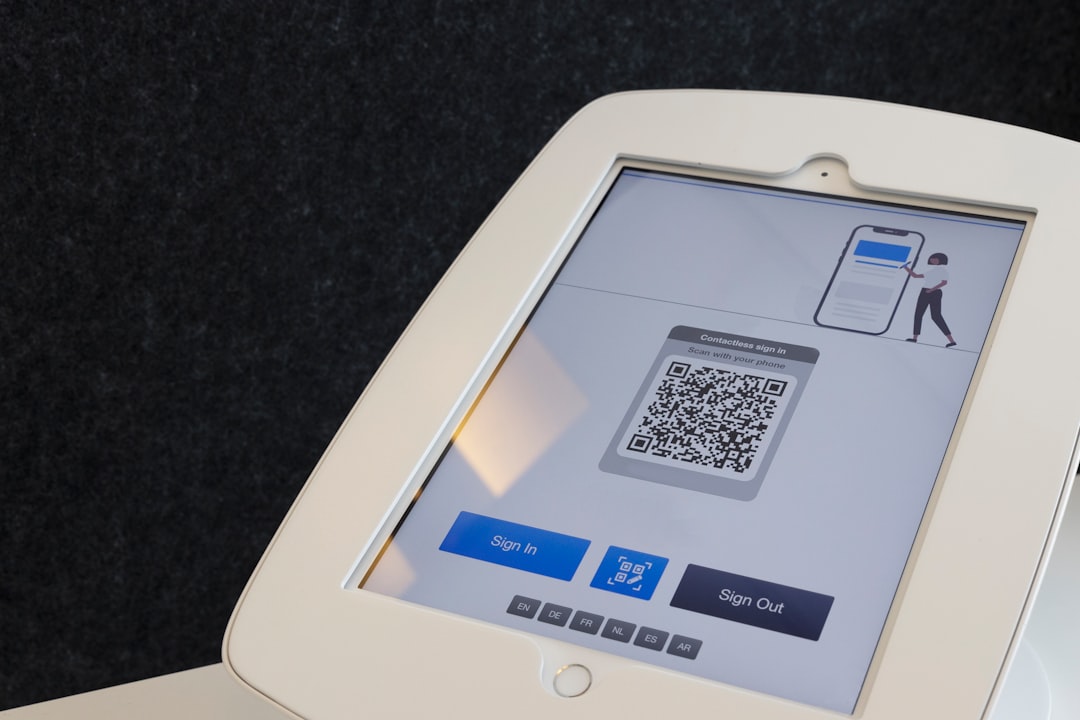
- Select “Add eSIM” or “Add mobile plan.”
- Scan the carrier-provided QR code or enter activation details.
- Label each line (for example, Work and Personal).
- Choose default preferences for calls, texts, and data.
After setup, both lines should appear in the settings menu, allowing easy management.
Is Dual SIM With eSIM Secure?
eSIM technology is considered highly secure. Because it is embedded in the device, it cannot be physically removed if a phone is lost or stolen. Carrier authentication occurs digitally, and profiles are encrypted.
However, as with all technology, users should:
- Enable a screen lock or biometric authentication
- Use carrier security features
- Activate remote wipe functionality
Who Should Consider Using Dual SIM With eSIM?
This setup is ideal for:
- Frequent travelers
- Remote workers and business owners
- Digital nomads
- Individuals managing international contacts
- Anyone looking for flexible carrier options
For users who only need one number and rarely switch carriers, Dual SIM may not be necessary. However, for those seeking flexibility, it offers significant advantages.
Final Thoughts
Dual SIM with eSIM combines traditional SIM reliability with modern digital convenience. It allows users to maintain two phone numbers, switch carriers more easily, and optimize mobile costs. As eSIM adoption continues to grow worldwide, this hybrid setup is becoming increasingly common.
Before activating Dual SIM with eSIM, users should confirm device compatibility and carrier support. Once properly configured, it can simplify communication and provide unmatched flexibility in both personal and professional contexts.
Frequently Asked Questions (FAQ)
-
1. Can you use two numbers at the same time with eSIM?
Yes. Many modern smartphones allow one physical SIM and one eSIM to be active simultaneously, enabling two numbers on one device. -
2. Can both SIMs use data at the same time?
In most cases, only one SIM can be designated for mobile data at a time, although both can receive calls and messages. -
3. Does Dual SIM with eSIM drain battery faster?
Running two active lines may slightly increase battery consumption, but the impact is generally minimal. -
4. Can I store multiple eSIMs on one phone?
Yes. Many devices allow multiple eSIM profiles to be stored, though only one or two can typically be active at the same time. -
5. Do all carriers support eSIM?
No. While adoption is growing, some carriers still do not offer eSIM support. It is important to verify with your provider. -
6. Is Dual SIM with eSIM good for international travel?
Absolutely. It allows users to keep their home number active while using a local SIM or data plan abroad.