QR codes have evolved from simple black-and-white shortcuts into measurable, branded, and increasingly intelligent marketing assets. Businesses now use them on packaging, menus, signage, direct mail, events, receipts, and product displays to connect offline audiences with online experiences. With AI-assisted design, dynamic destinations, audience analytics, and campaign optimization tools, modern QR platforms help teams create smarter campaigns that can be updated, tested, and tracked over time.
TLDR: AI QR code platforms help businesses create branded QR codes, customize their appearance, and measure campaign performance. The strongest tools offer dynamic QR codes, scan analytics, integrations, team controls, and design automation. Platforms such as Uniqode, QR TIGER, Flowcode, Scanova, ME-QR, and others support smarter QR campaigns across retail, hospitality, events, real estate, and product marketing.
Why AI QR Code Platforms Matter for Businesses
Traditional QR generators were useful for creating quick links, but they often lacked branding, flexibility, and reporting. Once printed, a static QR code could not be edited, which made campaign changes expensive and inconvenient. Modern platforms solve this by offering dynamic QR codes, allowing businesses to change the destination URL without reprinting the code.
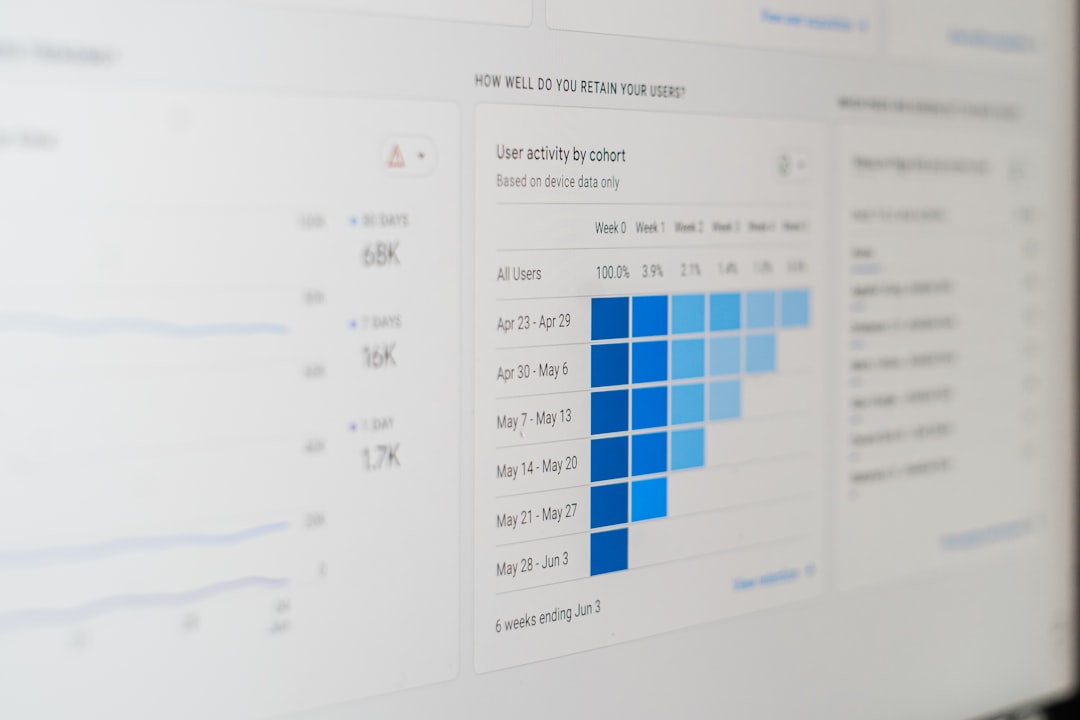
AI and automation add another layer of value. Some tools help generate branded QR designs, recommend campaign structures, improve landing page experiences, or automate performance reporting. Others use smart segmentation, integrations, and analytics to help businesses understand how, when, and where customers scan.
1. Uniqode
Uniqode, formerly known as Beaconstac, is a strong choice for companies that need enterprise-grade QR code management. It supports dynamic QR codes, bulk creation, custom branding, analytics, user permissions, and integrations with marketing tools. Businesses can use it for product packaging, physical stores, connected print campaigns, and large-scale customer engagement programs.
Its value lies in its ability to connect QR scans with measurable business outcomes. Teams can track scan locations, devices, time periods, and campaign performance. For organizations running multiple QR campaigns across departments or regions, Uniqode provides a centralized way to manage codes securely and consistently.
2. QR TIGER
QR TIGER is widely used by marketers, restaurants, retailers, educators, and event teams. It offers dynamic QR codes, customization tools, analytics, bulk QR generation, and support for multiple content types such as URLs, files, social media links, menus, and app downloads.
One of its standout advantages is its combination of branded design and campaign tracking. Businesses can add logos, adjust patterns, choose colors, and create visually distinctive QR codes while still monitoring scan activity. QR TIGER also includes tools that support more creative QR experiences, making it suitable for teams that want both practicality and visual appeal.
3. Flowcode
Flowcode focuses heavily on connecting offline engagement with digital experiences. It is especially popular for events, media, retail displays, and consumer-facing campaigns where design quality matters. The platform allows businesses to create custom QR codes, branded landing pages, and measurable campaigns.
Flowcode also emphasizes privacy-conscious analytics and audience engagement. Businesses can track scan performance, understand customer behavior, and connect QR experiences to broader marketing funnels. Its visual style makes it a good fit for brands that want QR codes to feel like part of the campaign design rather than an afterthought.
4. Scanova
Scanova is a flexible QR code platform that supports dynamic codes, landing pages, analytics, and campaign management. Businesses can create QR codes for websites, documents, Google Maps locations, social profiles, apps, feedback forms, and event registrations.
Scanova is useful for teams that need a balance of ease and campaign depth. Its customization options allow logos, colors, frames, and design variations, while its analytics tools help measure where scans come from and how audiences interact. Marketing teams can use it to test different placements, messages, and offline media formats.
5. ME-QR
ME-QR provides dynamic QR code creation, design customization, scan statistics, and a broad range of QR content formats. It can be used for menus, coupons, business cards, Wi-Fi access, PDFs, videos, social media pages, and payment links.
The platform is appealing to small and medium-sized businesses because it offers a straightforward workflow. Teams can create codes quickly, adjust the destination when needed, and review scan data to evaluate performance. ME-QR also supports branded visual elements, which helps businesses maintain consistency across printed and digital materials.
6. QR Code Generator PRO
QR Code Generator PRO is designed for professional QR campaigns that require dynamic editing, branding, and tracking. It supports different QR types, including website links, business pages, PDFs, app downloads, coupons, and social media destinations.
The platform is particularly useful for businesses that want a polished interface and reliable campaign monitoring. Its analytics help teams see scan volume, location, device type, and timing. This information can guide decisions about print placements, promotional timing, and customer journey improvements.
7. Hovercode
Hovercode is a modern QR code platform that focuses on simplicity, clean design, and dynamic QR functionality. It allows businesses to create customized QR codes with logos, colors, frames, and trackable destinations.
Hovercode is well suited to teams that want a lightweight tool without unnecessary complexity. It provides useful analytics and supports editable links, making it practical for campaigns where QR codes appear on flyers, stickers, packaging, or signage. Its clean interface can be especially helpful for small teams managing multiple campaigns at once.
8. QR.io
QR.io offers dynamic QR codes, landing pages, scan tracking, and customization options. Businesses can create QR codes for links, forms, business profiles, menus, media files, social pages, and other digital destinations.
Its main strength is convenience. QR.io makes it easy to build campaign-specific QR experiences and monitor basic engagement metrics. For businesses that need to launch QR campaigns quickly, it provides the core features required to create, edit, and analyze codes without a steep learning curve.
9. Trueqrcode
Trueqrcode helps businesses create dynamic QR codes with customizable design and scan tracking. It supports common use cases such as websites, vCards, PDFs, menus, feedback forms, and location links.
The platform is useful for companies that want a practical QR management system for ongoing campaigns. Marketing teams can update destinations, track scans, and compare engagement across different materials. Its straightforward approach makes it suitable for local businesses, agencies, schools, and service providers that need reliable QR functionality.
10. QuickQR Art
QuickQR Art is an example of a more visually creative QR platform, with emphasis on AI-generated or design-enhanced QR codes. Rather than producing only standard QR patterns, platforms in this category help businesses create artistic QR codes that better match brand campaigns, packaging themes, or promotional concepts.
This type of tool can be helpful when QR codes need to stand out on posters, product labels, event booths, or social media graphics. However, businesses should still test every creative QR code carefully. Highly stylized designs must remain scannable across different phones, lighting conditions, print materials, and sizes.
Key Features Businesses Should Compare
Before choosing an AI QR code platform, businesses should compare features based on campaign goals, budget, team structure, and reporting needs. The most useful platforms typically include:
- Dynamic QR codes: The destination can be edited after printing.
- Design customization: Brands can add logos, colors, frames, and visual patterns.
- Analytics: Teams can track scans by time, location, device, and campaign.
- Bulk creation: Large campaigns can generate many QR codes efficiently.
- Landing pages: Some tools include mobile-friendly pages for promotions, menus, or profiles.
- Integrations: Stronger platforms connect with CRM, analytics, advertising, or marketing automation tools.
- Security controls: Enterprise users may need permissions, domains, compliance features, and audit logs.
- AI design support: Some platforms help generate more creative, branded, or campaign-ready QR visuals.

How QR Campaigns Become Smarter
A smarter QR campaign does more than send a customer to a web page. It connects the scan to a specific context. For example, a restaurant can track which table tents generate menu scans, a retailer can compare in-store displays across locations, and a real estate agency can measure interest from yard signs and brochures.
Dynamic QR codes also allow businesses to adapt campaigns in real time. A code on a printed flyer can point to a holiday sale in December, a new product launch in January, and a loyalty offer in February. This flexibility extends the life of printed materials and reduces waste.
Analytics can reveal patterns that are difficult to see with traditional print advertising. If scans increase during weekends, a business may adjust promotions accordingly. If one location outperforms another, teams can study placement, signage, or customer traffic. Over time, QR data can help companies make better decisions about offline marketing spend.
Best Practices for Business QR Campaigns
To get the best results, businesses should treat QR codes as part of a complete customer journey. The code should be easy to notice, easy to scan, and connected to a mobile-friendly destination. A clear call to action is essential. Instead of simply displaying a code, effective campaigns use instructions such as “Scan to get 15% off,” “Scan to view the menu,” or “Scan to register.”
Design also matters. Branded QR codes can improve trust and engagement, but readability should always come first. High contrast, adequate size, proper spacing, and testing across devices are critical. Businesses should avoid placing QR codes on surfaces that bend, reflect light, or appear too far from the audience.
Finally, campaign tracking should be reviewed regularly. The most successful teams do not create QR codes and forget them. They measure scans, compare placements, test offers, update landing pages, and optimize future campaigns based on real behavior.
Conclusion
AI QR code platforms give businesses a more powerful way to connect physical materials with digital experiences. The best tools combine creation, customization, dynamic editing, and analytics so that QR codes become measurable campaign assets rather than static links.
For enterprise needs, platforms such as Uniqode, Flowcode, and QR Code Generator PRO offer strong tracking and management features. For flexible marketing use, QR TIGER, Scanova, ME-QR, Hovercode, QR.io, and Trueqrcode provide practical options. For visually creative campaigns, AI-enhanced tools such as QuickQR Art can help QR codes become more engaging while still remaining functional.
FAQ
What is an AI QR code platform?
An AI QR code platform is a tool that helps businesses create, customize, manage, and track QR codes, often with AI-assisted design, automation, analytics, or campaign optimization features.
Are dynamic QR codes better than static QR codes?
For business campaigns, dynamic QR codes are usually better because the destination can be changed after printing. They also often include analytics and campaign tracking.
Can businesses track who scans a QR code?
Most platforms track scan data such as time, device type, approximate location, and total scans. However, they usually do not identify individual users unless the QR experience includes a form, login, or consent-based data collection process.
Do custom QR codes still scan reliably?
Yes, but only when designed properly. Businesses should maintain strong contrast, avoid excessive visual distortion, use adequate size, and test the code on multiple devices before printing.
Which industries benefit most from QR campaigns?
Retail, restaurants, real estate, events, healthcare, education, travel, packaging, and local services can all benefit from QR campaigns. Any business that connects offline audiences to digital actions can use them effectively.
What should a business look for in a QR code platform?
A business should look for dynamic QR support, branding options, analytics, mobile landing pages, integrations, security controls, and pricing that matches the expected campaign volume.