
In an environment where financial visibility directly influences strategic decision-making, accounting automation platforms such as Xero have become central to modern business operations. Organizations of all sizes are under pressure to monitor cash flow in real time, reduce administrative overhead, and maintain compliance with increasingly complex regulations. Cloud-based accounting automation tools address these challenges by integrating financial data, automating repetitive tasks, and generating up-to-date reports that allow leaders to act with confidence.
TLDR: Accounting automation platforms like Xero enable real-time financial tracking, improving accuracy, efficiency, and strategic oversight. By automating data entry, bank reconciliation, reporting, and compliance tasks, these systems reduce errors and free finance teams for higher-value work. They also provide dashboards and analytics that give business leaders immediate insight into cash flow and performance. For companies seeking scalability and control, automated accounting platforms are increasingly essential.
The Shift Toward Real-Time Financial Tracking
Traditional accounting processes relied heavily on manual data entry, spreadsheet management, and periodic reporting. Financial insights were often delayed by weeks or months, limiting a company’s ability to respond quickly to market changes. In contrast, automation platforms like Xero operate in the cloud, allowing transactions to be recorded, categorized, and reconciled as they occur.
This shift from reactive to proactive financial management has several critical implications:
- Improved cash flow visibility: Businesses can monitor incoming and outgoing funds daily.
- Faster decision-making: Leaders base strategies on current, not outdated, data.
- Reduced manual workload: Automation minimizes repetitive administrative tasks.
- Enhanced collaboration: Accountants, managers, and stakeholders access the same real-time information.
At its core, accounting automation transforms financial data from a historical record into a strategic tool.

Key Features of Platforms Like Xero
Modern accounting automation systems are comprehensive ecosystems rather than simple bookkeeping tools. Their effectiveness lies in the integration of multiple financial functions into a unified interface.
1. Automated Bank Feeds and Reconciliation
One of the most time-consuming accounting tasks is reconciling transactions with bank statements. Platforms like Xero connect directly to financial institutions, importing transactions automatically. Advanced matching algorithms suggest reconciliations, significantly reducing manual input and human error.
Benefits include:
- Accurate daily reconciliation
- Reduced risk of duplicate or missing entries
- Clear audit trails for compliance purposes
2. Real-Time Reporting and Dashboards
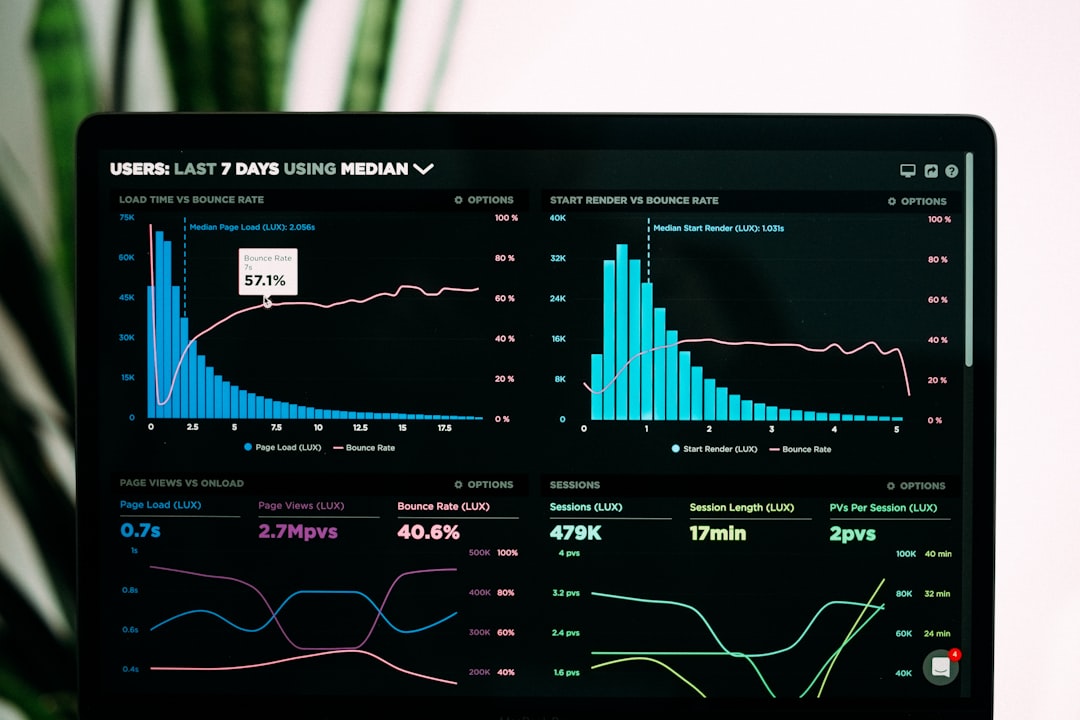
Traditional financial reporting often requires manual compilation. Automated platforms generate live dashboards that display key performance indicators (KPIs), such as:
- Accounts receivable and payable balances
- Profit and loss summaries
- Cash flow forecasts
- Expense breakdowns
Because data updates continuously, management gains an accurate representation of financial health at any moment.
3. Invoicing and Payment Automation
Invoice generation, distribution, and tracking can be automated end-to-end. Businesses create branded invoices, schedule recurring billing, and integrate with online payment gateways. Automated reminders help reduce late payments, improving liquidity and reducing administrative follow-up.
4. Compliance and Tax Management
Regulatory compliance demands precision. Platforms like Xero offer tools for tax calculation, payroll reporting, and regional compliance standards. Automated calculations help reduce the risk of penalties due to misreporting.
Strategic Advantages for Business Leaders
While automation clearly benefits finance departments, its most significant impact may be at the executive level. Real-time financial tracking strengthens strategic planning and risk management.
Enhanced Forecasting: With accurate historical and current data, forecasting models become more reliable. Businesses can project revenue, expenses, and cash flow under different scenarios.
Better Cost Control: Immediate insight into expense categories allows decision-makers to identify inefficiencies and adjust spending quickly.
Scalability: As organizations grow, manual accounting processes struggle to keep pace. Automation platforms accommodate expanded transaction volumes without equivalent increases in staffing.
Transparency: Investors and stakeholders increasingly expect detailed financial reporting. A centralized platform provides standardized, easily shareable reports that strengthen confidence.
Impact on Accounting Teams
Contrary to common concerns, automation does not eliminate the need for accounting professionals; rather, it enhances their strategic role. By handling repetitive tasks such as data entry and reconciliation, automation frees accountants to focus on analysis, advisory services, and long-term planning.
This transition shifts the accounting function from:
- Transactional processing → to Strategic advisory
- Manual data verification → to Data interpretation and risk evaluation
- Back-office reporting → to Forward-looking planning support
The result is a more valuable finance team that contributes directly to organizational growth.
Data Security and Reliability
Trust is fundamental when handling financial information. Cloud-based accounting platforms prioritize data security through encryption, multi-factor authentication, and regular system audits. Reputable providers maintain secure data centers and disaster recovery protocols to ensure continuity.
Additionally, automated systems reduce risks associated with human error, such as:
- Incorrect manual entries
- Lost paper documentation
- Spreadsheet formula mistakes
- Version control conflicts
By minimizing these vulnerabilities, businesses strengthen both operational resilience and compliance integrity.
Integration with Broader Business Ecosystems
Accounting does not operate in isolation. Modern automation platforms integrate with payroll systems, inventory management tools, customer relationship management (CRM) software, and e-commerce platforms. This connectivity ensures that financial records reflect operational realities in real time.
For example:
- Sales transactions automatically update revenue and inventory counts.
- Payroll systems sync with expense accounts.
- Project management tools feed directly into job costing reports.
This interconnected ecosystem eliminates silos and creates a unified source of truth for financial and operational data.
 cloud computing concept, connected business software icons, secure data network[/ai-img>
Challenges and Considerations
Despite their benefits, accounting automation platforms require careful implementation. Organizations must evaluate several factors before adoption:
- Data Migration: Transferring legacy financial records demands accuracy and planning.
- Training: Staff must understand new workflows to maximize system effectiveness.
- Customization Needs: Businesses with complex structures may require configuration adjustments.
- Cost Analysis: Subscription fees should be weighed against time savings and efficiency gains.
Successful implementation typically involves collaboration between finance teams, IT professionals, and external advisors to ensure minimal disruption.
The Future of Accounting Automation
Automation continues to evolve beyond basic task management. Artificial intelligence and machine learning capabilities are increasingly integrated into platforms like Xero. These technologies enhance predictive analytics, detect anomalies, and suggest optimizations.
Emerging advancements include:
- Predictive cash flow modeling based on historical trends
- Anomaly detection to flag unusual transactions
- Automated categorization improvements through learning algorithms
- Expanded global compliance capabilities for international operations
As these systems mature, businesses will gain even greater foresight and risk mitigation capabilities.
Conclusion
Accounting automation platforms like Xero represent more than technological convenience; they signify a fundamental transformation in financial management. By delivering real-time financial tracking, reducing manual processes, enhancing reporting accuracy, and supporting strategic planning, these systems empower organizations to operate with clarity and control.
In today’s competitive landscape, delayed or inaccurate financial data is no longer acceptable. Companies that invest in reliable automation platforms position themselves for sustainable growth, improved compliance, and stronger stakeholder trust. As automation technology continues to advance, its role in shaping disciplined, data-driven financial leadership will only deepen.
For organizations seeking efficiency, transparency, and real-time oversight, accounting automation platforms are not simply tools—they are strategic assets.