
Artificial intelligence is no longer an experimental line item in the budget. For many organizations, it is a core operational expense—powering customer support, marketing automation, analytics, product development, and internal productivity. But as adoption accelerates, so do costs. Between model training, inference usage, cloud compute, data storage, and API calls, AI spending can quickly spiral out of control without visibility and governance. That’s where AI cost optimization tools come in.
TLDR: AI cost optimization tools help organizations monitor, control, and reduce spending across model training, inference, and infrastructure. They provide visibility into usage, automate scaling, eliminate waste, and guide smarter model and provider decisions. By combining monitoring, governance, and automation, businesses can significantly improve ROI without sacrificing AI performance. Choosing the right mix of tools depends on model complexity, team size, and infrastructure footprint.
In this article, we’ll explore how these tools work, why they matter, and which platforms are leading the way in helping companies maximize return on AI investments.
Why AI Costs Get Out of Hand
Before diving into optimization tools, it’s important to understand where AI costs typically originate:
- Model Training: High-performance GPUs and TPUs for large model training jobs.
- Inference Costs: Per-call API fees and compute time for production usage.
- Overprovisioned Infrastructure: Idle cloud instances and inefficient scaling.
- Data Storage and Transfer: Large datasets, embeddings, and vector databases.
- Shadow AI Usage: Teams independently subscribing to AI services without oversight.
Without centralized visibility, companies often discover waste only after receiving unexpectedly large cloud invoices.
This is where AI cost optimization tools provide both financial transparency and operational control.
What Do AI Cost Optimization Tools Actually Do?
At a high level, these tools combine elements of FinOps (financial operations), ML observability, and infrastructure management. They help organizations:
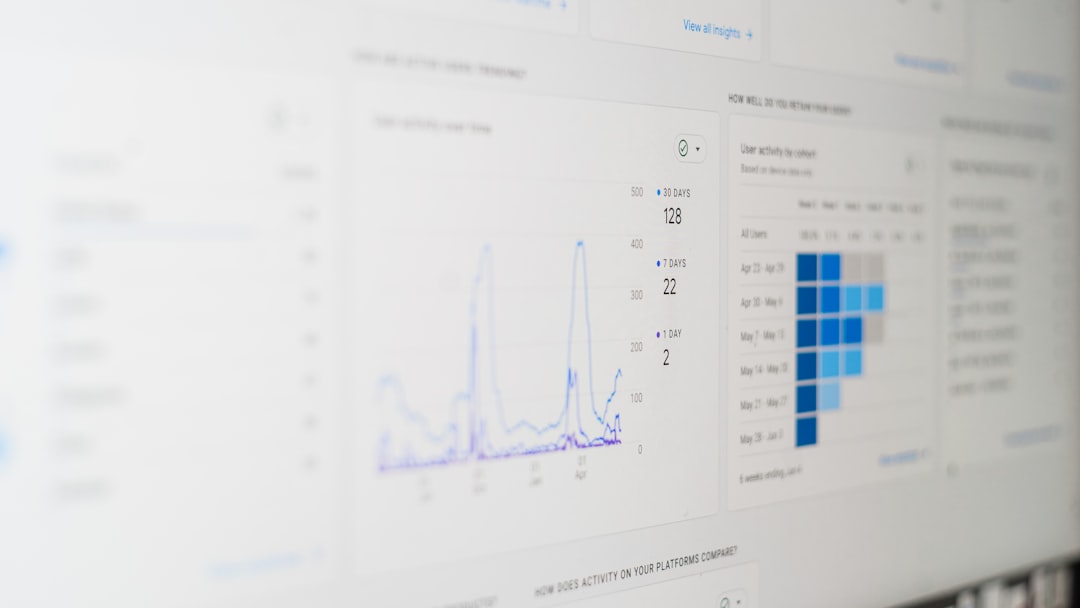
- Monitor usage across multiple AI providers
- Attribute costs to teams or projects
- Optimize model selection
- Automatically scale infrastructure
- Eliminate redundant compute usage
- Recommend lower-cost alternatives
The most advanced solutions use AI to optimize AI—analyzing performance-to-cost ratios and recommending changes in real-time.
Leading AI Cost Optimization Tools in 2026
Below are some of the most impactful platforms helping organizations control AI spending while maintaining performance.
1. AWS Cost Explorer + SageMaker Savings Plans
Amazon provides native tools for AI expense tracking within its ecosystem. When combined with SageMaker Savings Plans, businesses can reduce training and inference costs through committed usage discounts.
Best for: Organizations heavily invested in AWS infrastructure.
Key benefits:
- Granular cost breakdown by service
- Reserved capacity discounts
- Auto-scaling tools
2. Azure Cost Management + Azure ML
Microsoft’s cost management suite integrates with Azure Machine Learning to monitor, allocate, and control AI workloads across enterprise environments.
Best for: Enterprises using Microsoft AI and OpenAI services via Azure.
- Budget alerts and spending caps
- Idle resource detection
- Resource utilization analytics
3. Google Cloud Billing + Vertex AI Monitoring
Google offers detailed resource-based billing dashboards alongside cost recommendations tailored to AI workloads.
Standout feature: Intelligent recommendations for rightsizing compute instances.
4. Weights & Biases (W&B)
Primarily known for experiment tracking, W&B helps teams compare model performance relative to resource consumption. This enables organizations to choose models that deliver optimal accuracy per dollar spent.
Why it matters: Sometimes the most accurate model isn’t the most cost-effective choice.
5. Finout
Finout centralizes cost data across cloud providers, SaaS platforms, and AI services. It’s particularly useful for companies running multi-cloud AI stacks.
- Cost allocation per feature or customer
- Real-time tracking dashboards
- Unified SaaS and cloud visibility
6. Kubecost
For teams deploying AI models via Kubernetes, Kubecost provides detailed cost visibility into container-level resource allocation.
Ideal for: Engineering teams managing large-scale inference clusters.
7. IBM Turbonomic
Turbonomic uses automation to dynamically allocate computing resources based on application demand. It prevents overprovisioning and ensures AI workloads run efficiently.

Comparison Chart: AI Cost Optimization Tools
| Tool | Best For | Multi-Cloud Support | Real-Time Monitoring | Automation Features |
|---|---|---|---|---|
| AWS Cost Explorer | AWS-native AI workloads | No | Yes | Moderate |
| Azure Cost Management | Enterprise Microsoft ecosystems | Limited | Yes | Moderate |
| Google Cloud Billing | Vertex AI users | No | Yes | Strong recommendations |
| Weights & Biases | Model performance optimization | Yes | Experiment-based | Low |
| Finout | Multi-cloud SaaS visibility | Yes | Yes | Moderate |
| Kubecost | Kubernetes AI deployments | Yes | Yes | Strong |
| IBM Turbonomic | Automated resource allocation | Yes | Yes | Advanced |
Key Strategies These Tools Enable
Beyond dashboards and reports, true optimization comes from strategic action. Here’s how leading organizations use these tools to maximize ROI:
1. Model Right-Sizing
Not every task requires the largest available language model. Optimization platforms allow teams to test smaller models for specific use cases—often achieving 90% of the performance at 40% of the cost.
2. Intelligent Auto-Scaling
AI traffic can fluctuate significantly. Automated scaling prevents overpaying for idle GPUs during low-demand hours.
3. Usage Attribution
By assigning AI costs to departments or features, organizations create accountability. When teams see their AI expenses directly tied to budgets, usage becomes more intentional.
4. Eliminating Redundant Models
It’s common to find multiple teams running similar models independently. Central oversight reduces duplicate infrastructure and consolidates usage.
5. Negotiating Vendor Contracts
Detailed usage data strengthens negotiation leverage with AI API providers and cloud vendors.
Measuring ROI on AI Investments
Optimizing cost is only half the equation. Maximizing ROI requires understanding value generation relative to spending.
Key ROI metrics include:
- Cost per inference request
- Revenue generated per AI-powered feature
- Time saved through automation
- Customer satisfaction improvements
- Reduction in operational headcount costs
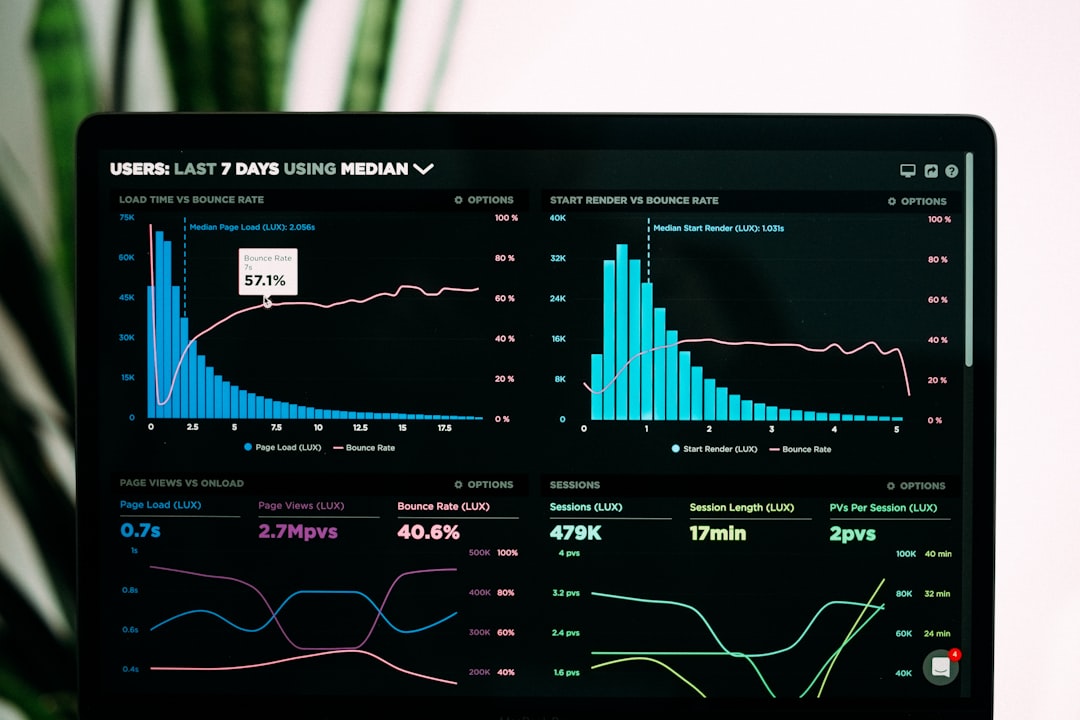
Advanced optimization platforms now combine financial data with performance metrics, giving leaders a more comprehensive picture of impact.
Emerging Trends in AI Cost Optimization
The space is evolving rapidly. Key trends shaping the future include:
- Dynamic Model Switching: Systems that automatically choose the most cost-efficient model based on query complexity.
- Token-Level Monitoring: Detailed tracking of LLM token usage to prevent waste.
- Edge AI Optimization: Reducing cloud dependency by moving inference closer to devices.
- Carbon-Aware Optimization: Aligning financial savings with sustainability goals.
As AI becomes embedded into every workflow, optimization tools will become as essential as CRM or accounting software.
How to Choose the Right Tool
Selecting an AI cost optimization solution depends on several factors:
- Infrastructure Complexity: Single cloud vs. multi-cloud environments.
- Team Size: Small startups may need lightweight dashboards, while enterprises require advanced governance.
- AI Maturity: Early-stage experimentation vs. production-scale deployments.
- Automation Needs: Manual oversight vs. real-time automated scaling.
For many businesses, the ideal setup combines:
- Cloud-native cost tools
- An AI experiment tracking platform
- A centralized FinOps dashboard
This layered approach provides both operational and financial clarity.
The Bottom Line
AI presents extraordinary opportunities—but without disciplined financial management, it can erode margins just as quickly as it drives growth.
AI cost optimization tools transform AI from a speculative expense into a measurable investment. They empower organizations with visibility, accountability, and automation—ensuring every GPU cycle and API call contributes real business value.
In a world where AI usage is expanding exponentially, optimization isn’t optional. It’s a competitive advantage. Companies that master AI cost efficiency won’t just reduce spending—they’ll unlock sustainable, scalable innovation.