
For local businesses, a reliable website is no longer optional—it is a core operational asset. Customers expect to find accurate information, clear services, and trustworthy signals online before they ever make contact. Choosing the best website builder for a local business therefore requires careful consideration of usability, performance, local search visibility, and long-term scalability.
TLDR: The best website builder for local businesses is one that balances ease of use, strong local SEO features, and professional design. Platforms like Wix, Squarespace, and WordPress.com stand out for different reasons, depending on business needs and technical confidence. The ideal choice allows fast setup, supports local discovery, and scales as the business grows. No single builder is perfect for everyone, but several clearly outperform the rest.
What Local Businesses Need From a Website Builder
Local businesses operate under different constraints than national or global brands. Their websites must focus on immediacy, trust, and discoverability rather than complex functionality. A good website builder must reflect these priorities clearly.
- Ease of use: Owners should be able to manage updates without technical staff.
- Local SEO support: Built-in tools for location-based search optimization are essential.
- Mobile performance: Most local searches happen on mobile devices.
- Trust signals: Reviews, testimonials, contact details, and maps must be easy to display.
- Integration options: Booking systems, contact forms, and payment tools should be simple to add.
A builder that misses one of these areas can actively hurt conversion rates, no matter how attractive the design might be.

Wix: The Most Balanced All-in-One Option
Wix has earned a strong reputation among local business owners due to its combination of flexibility and simplicity. It offers a true drag-and-drop editor, allowing users to place elements exactly where they want them.
Key strengths of Wix include:
- Extensive template library tailored to services, restaurants, and local professionals
- Built-in local SEO tools, including location-based meta settings
- Integrated booking, appointment scheduling, and contact forms
- App marketplace for extending functionality
Wix is particularly well suited to businesses such as salons, contractors, clinics, and restaurants. While it may not offer deep technical customization, it provides everything most local businesses need without requiring outside developers.
Squarespace: Strong Design and Brand Presentation
Squarespace focuses heavily on visual quality and consistency. For local businesses where brand perception plays a major role—such as photography studios, restaurants, or boutique stores—this emphasis can be a major advantage.
Where Squarespace excels:
- Highly polished, modern templates
- Consistent typography and layout control
- Built-in blogging and image optimization
- Mobile-responsive designs by default
However, Squarespace is less flexible than Wix in terms of layout freedom and third-party integrations. Local businesses that prioritize simplicity and presentation over customization will find it appealing, while those needing advanced local features may feel limited.
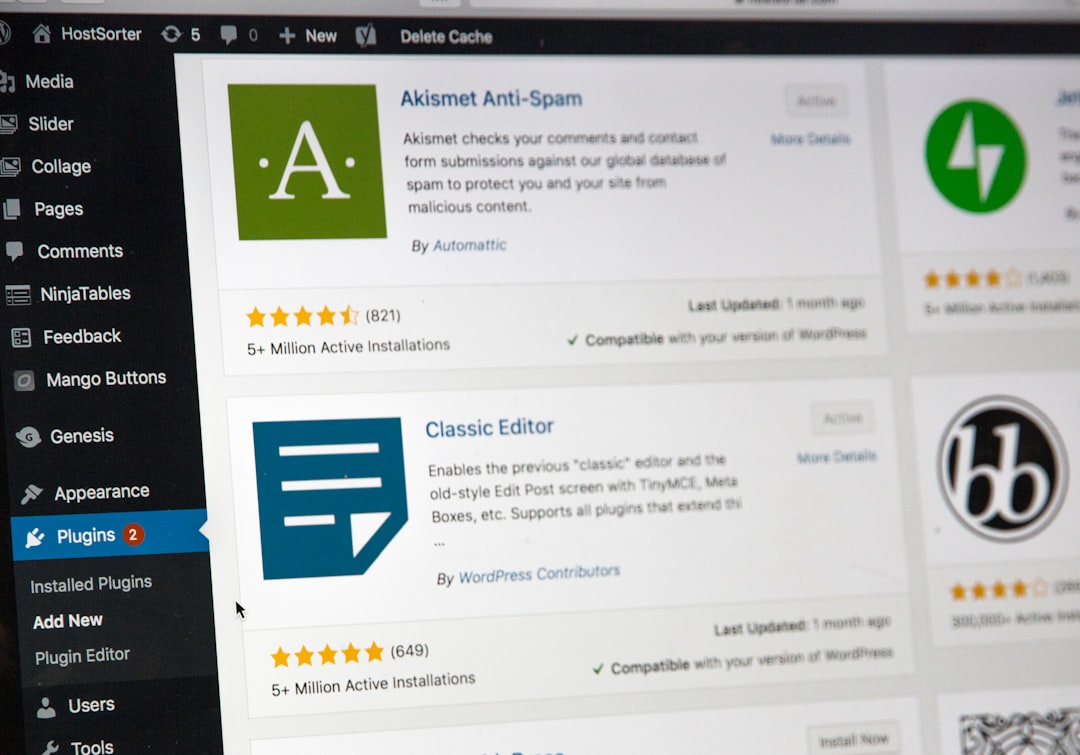
WordPress.com: Best for Long-Term Growth and SEO
WordPress.com (not to be confused with self-hosted WordPress.org) offers a more structured yet powerful option for local businesses thinking long-term. Its content management capabilities and SEO strength are industry-leading.
Advantages for local businesses:
- Excellent blogging and content marketing potential
- Strong SEO foundations built into the platform
- Scalability as the business grows
- Access to professional themes and plugins on higher plans
The trade-off is a steeper learning curve. WordPress.com demands more time and attention than Wix or Squarespace, but it rewards commitment with better control and visibility over time.
Shopify: A Specialized Choice for Local Retail
For local businesses that sell physical products, Shopify deserves consideration. It is not a general-purpose website builder but an e-commerce platform optimized for selling.
- Inventory management and point-of-sale integration
- Local pickup and delivery options
- Secure payments and tax handling
- Strong uptime and performance reliability
Shopify is ideal for local stores expanding into online sales, but it is often excessive for service-based businesses. Monthly costs are also higher than most general builders.
Key Features That Matter Most for Local Visibility
No matter which platform is chosen, certain features directly influence how visible and trustworthy a local business appears online.
Must-have features include:
- Google Maps integration: Helps customers quickly understand location and proximity
- NAP consistency: Name, address, and phone number must be consistent across pages
- Review display: Showing customer feedback builds credibility
- Clear calls to action: Phone calls, bookings, or directions should be easy to find
Website builders that simplify these elements reduce friction and directly improve conversion rates.

Pricing and Long-Term Costs
Initial cost is important, but long-term value matters more. Many builders offer low introductory pricing that increases significantly over time.
When evaluating pricing, consider:
- Monthly or annual subscription increases
- Extra costs for bookings, payments, or email features
- Limitations on pages or traffic
- Cost of switching platforms later
A slightly higher upfront cost is often justified if it prevents the need for a full website rebuild within a year or two.
Which Website Builder Is Best Overall?
For most local businesses, Wix offers the best overall balance of usability, features, and affordability. Squarespace follows closely for design-focused brands, while WordPress.com is best suited to those prioritizing content and long-term SEO strength.
The “best” website builder ultimately depends on business type, owner involvement, and growth plans. What matters most is choosing a platform that supports local discovery, builds trust, and remains manageable over time.
Final Thoughts
A well-chosen website builder empowers local business owners rather than complicating their work. By focusing on usability, local visibility, and reliability, businesses can create an online presence that genuinely supports growth. The right platform will not only showcase services but actively convert local visitors into loyal customers.