In the quietly buzzing halls of innovation, few grassroots organizations have left a profound impact quite like Club Churchill. Originating as a modest tech community based in a mid-sized city, Club Churchill quickly evolved into a catalyst for collaboration, skill-building, and future-forward thinking in the global tech ecosystem. Over the years, this tight-knit community has carved out a legacy through its unique brand of tech events, blending education, networking, and fun in equal measure.
TLDR: Club Churchill started as a local meetup for tech enthusiasts and evolved into a powerful platform nurturing innovation, skills, and collaboration in technology. Its legacy is built on inclusive, hands-on events that encouraged participation from diverse groups. From hackathons and coding nights to AI summits, it became a multidisciplinary cultural hub. Today, its influence still resonates across various global tech initiatives and communities.
The Origins of Club Churchill
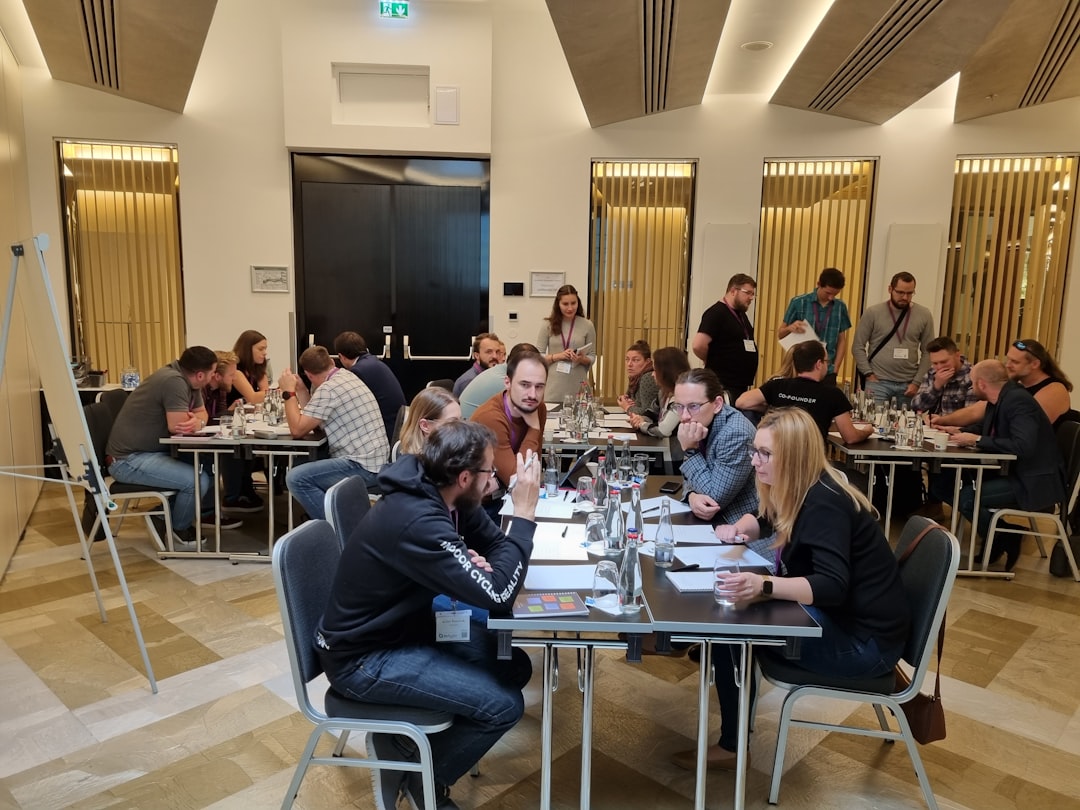
Club Churchill was established in 2012 in the heart of a university town, named in homage to the street its founders first met on. It began with a simple concept: create a place for curious minds in technology to come together every Friday evening. Anyone with an idea or a laptop was welcome. That informal, low-entry barrier philosophy is what made it stick.
The club was spearheaded by a handful of software developers, designers, and startup founders who felt constrained by the formal structures of tech networking at the time. The name “Club Churchill” might sound exclusive, but it was anything but—it championed open access and collaborative innovation.
The Rise Through Grassroots Events
In its early days, Club Churchill’s events included:
- Open Code Nights – Collaborative coding sessions where people could pair up, work on projects, or help each other learn new technologies.
- Lightning Talks – Fast-paced, five-minute presentations by members to share ideas, tools, or interesting problems.
- Coffee & Algorithms – Saturday morning discussions focused purely on algorithms, attended by students, professionals, and the curious alike.
As word spread and more attendees came through its doors, the club started hosting larger events. These were carefully curated to maintain the spirit of inclusiveness and learning. Soon, sponsors and local tech companies took notice.
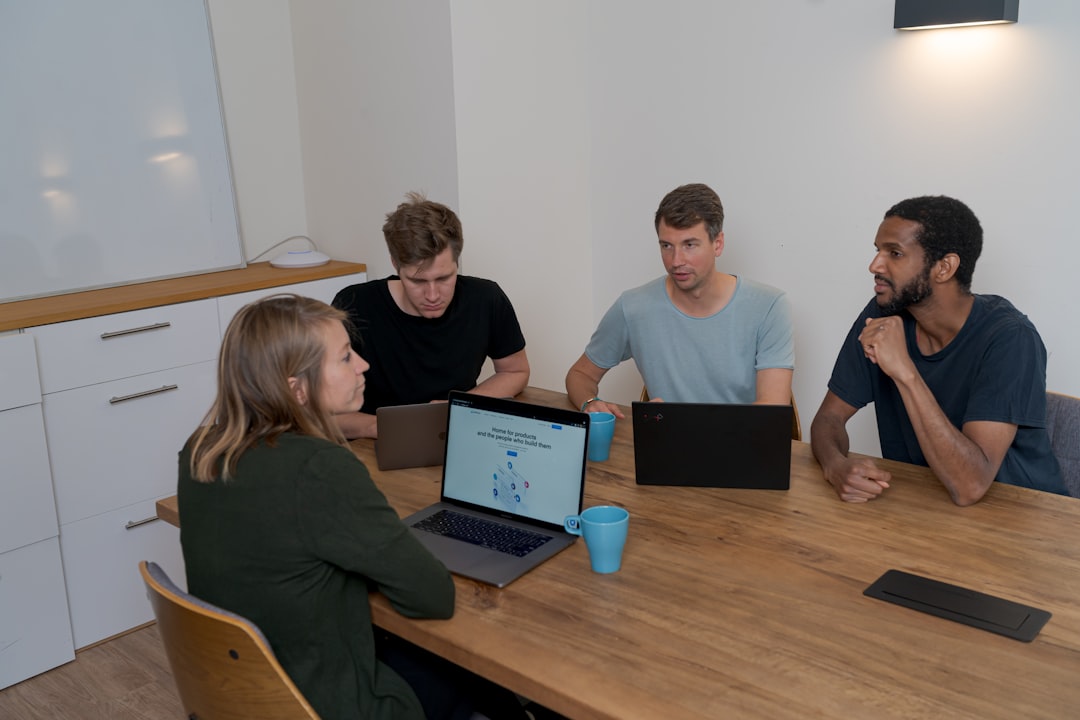
By 2015, Club Churchill was organizing weekend-long hackathons, drawing participants not just from the local region, but from neighboring states and even countries. These events became highly anticipated for their unique atmosphere—more festival than competition—with board games, quiet nap rooms, mentorship pods, and live DJ sets.
Why Club Churchill Events Stood Out
The club’s events differed in several key ways from typical tech gatherings:
- Inclusive by Design: From the founding days, Club Churchill emphasized accessibility. Events provided resources for beginners, as well as support networks aimed at underrepresented communities in tech.
- Low-to-Zero Cost: Most events were free or very generously subsidized, thanks to community donations and sponsor support.
- Interdisciplinary Collaboration: Artists, urban planners, educators, and business strategists were regular speakers and participants.
- Focus on Exploration: Instead of pushing only product development, the club encouraged play, curiosity, and experimentation with emerging technology.
Club Churchill never tried to compete with massive commercial tech expos. Instead, it focused on shaping human-centric, hands-on spaces where meaningful dialog and creative energy could flourish.
Major Contributions and Projects
Over the years, the club saw the birth of several notable initiatives, including:
- LearnLoop: A browser-based collaborative coding platform that started as a hackathon project and was eventually adopted in local high schools.
- CC Talks Podcast: A community-led podcast that interviewed tech thinkers, chronicling the evolution of the scene and offering career advice.
- Code4Impact: A partnership with NGOs to develop open-source tools for social good — including disaster mapping systems and language learning apps.
Cultural Legacy
Perhaps one of Club Churchill’s most enduring legacies is cultural. The club redefined how people perceived tech communities: not just as businesses or developer groups, but as micro-cultures that could nurture talent, encourage inquiry, and build lasting human connections.
Former attendees still reflect on their time at live events with a sense of nostalgia. “It felt like we were in on something special,” said an early participant who now leads engineering at a Fortune 100 company. “It wasn’t networking—it was belonging.”
Through Club Churchill, people found jobs, started companies, published research, and made lifelong friends. In an age where digital connectivity can sometimes feel isolating, the club showed what intentional, face-to-face interaction could achieve.
Club Churchill’s Impact Post-2020
Like many real-world communities, Club Churchill faced a crossroads during the COVID-19 pandemic. Physical gatherings ceased, and the club pivoted online. While the virtual events couldn’t fully replicate the magic of being in the same room, it opened new pathways for global participation.
The club hosted a series of Virtual Mini-Jams, AI Ethics Roundtables, and even an online “Digital Noir” storytelling series combining narrative and code. The reach expanded as visitors tuned in from Europe, Asia, and Africa, exemplifying how the brand of creative community-building Club Churchill pioneered could translate beyond borders.
The spirit of Club Churchill has also seeded dozens of spin-off communities and event templates worldwide. From Bangalore to Berlin, groups inspired by its principles have cited it as a guiding light for doing tech gatherings differently.
The Future: A Legacy That Lives On
While the physical Club Churchill space may no longer host weekly events like it did in its heyday, its legacy endures through its alumni and the culture it created. Many of its original members have gone on to mentor new tech communities, lead educational initiatives, or create companies rooted in collaboration and inclusion.
Today, open-source projects inspired by Club Churchill practices are helping launch tech clubs in schools that would otherwise lack resources. The club’s original manifesto—which stressed the importance of curiosity, empathy, and joy in technology—is still passed around in startup accelerators, classrooms, and makerspaces.
Final Thoughts
Club Churchill may have begun as a little club on a quiet street, but its impact has been anything but small. The club reimagined what tech gatherings could look like, revived the social imagination within software development, and proved that the most potent tech ecosystems aren’t built with venture capital—but with intention, community, and care.
Whether you’re launching a new developer circle, teaching your first Python class, or just attending your first local hack night, you are, in some way, part of the Club Churchill legacy.