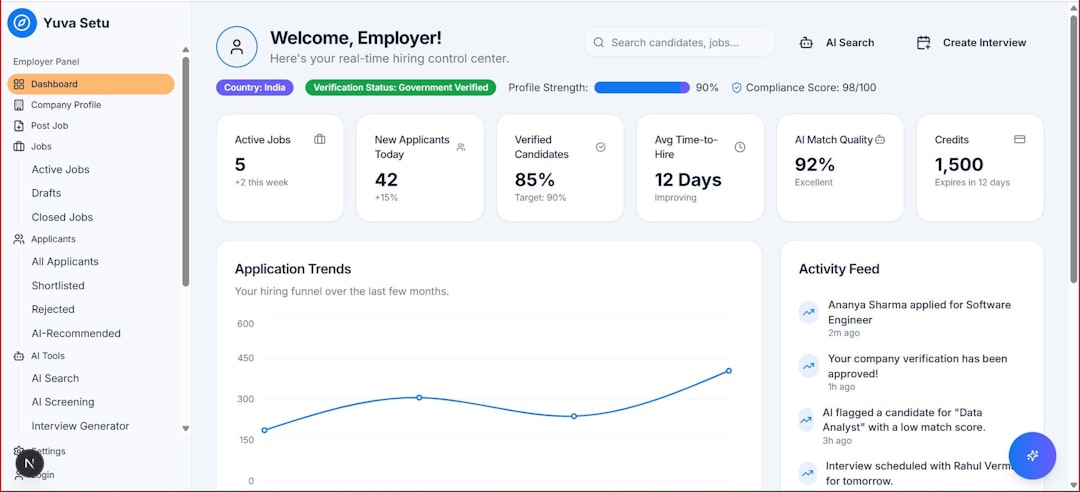
E‑commerce founders love speed. They love scale. And they really love sales that happen while they sleep. That is why drip solutions have become such a big deal. These tools automate emails, texts, and messages so customers get the right content at the right time. No manual chasing. No chaos. Just smart automation doing the heavy lifting.
TLDR: Drip automation tools help e‑commerce brands send targeted messages automatically based on customer behavior. Founders compare platforms based on ease of use, integrations, personalization, analytics, and price. Some tools are simple and beginner-friendly, while others offer deep customization for scaling brands. The best choice depends on store size, budget, and automation goals.
Let’s break this down in a way that is simple. And actually useful.
What Are Drip Solutions?
A drip solution is software that sends pre-written messages automatically over time. Think of it like a smart assistant. It “drips” information one message at a time.
For e‑commerce stores, that often means:
- Welcome email series
- Abandoned cart reminders
- Post‑purchase follow ups
- Product education flows
- Win‑back campaigns
The trigger is usually customer behavior. Someone signs up. Adds to cart. Makes a purchase. Stops engaging. The system reacts automatically.

Founders compare drip tools based on one main question:
“How much can this automate without making my life harder?”
Why Automation Efficiency Matters So Much
Time is expensive. Manual work kills margins. Automation saves both.
Here is what efficiency really means for founders:
- Less manual campaign building
- Better targeting without extra work
- High deliverability
- Strong segmentation
- Clear analytics
- Easy integrations with Shopify, WooCommerce, or other platforms
If a drip tool is powerful but confusing, it slows things down. If it is simple but limited, scaling becomes hard.
The sweet spot? Power + simplicity.
Top Drip Solutions E‑Commerce Founders Compare
Here are the major players founders often review.
1. Klaviyo
Klaviyo is a favorite in e‑commerce. Especially for Shopify brands.
Why founders like it:
- Deep data integrations
- Advanced segmentation
- Strong automation builder
- Email and SMS in one place
Downside? It can feel overwhelming at first. And pricing grows fast with your list.
Best for scaling brands that want powerful targeting.
2. Drip (the platform)
Yes. There is actually a tool called Drip.
It focuses heavily on e‑commerce automation.
- Visual workflow builder
- Behavior-based triggers
- Clean user interface
- Strong tagging system
It balances power and ease of use well. Many founders say it feels less cluttered than competitors.
3. ActiveCampaign
This one is known for automation depth.
It is not e‑commerce-only. But it integrates nicely.
- Advanced logic workflows
- Conditional content
- CRM features included
- Good value for mid-sized brands
It can get technical. Automation fans love it. Beginners might need time to adjust.
4. Mailchimp
This is often where founders start.
It is simple. It is known. It is beginner-friendly.
- Easy campaign builder
- Basic automation flows
- Clean templates
However, advanced segmentation is limited unless you upgrade. Growing stores often outgrow it.
5. Omnisend
Omnisend is built specifically for e‑commerce.
- Email + SMS + push notifications
- Pre-built automation templates
- Simple setup
- Competitive pricing
It is strong for small to mid-sized stores that want quick wins without complex setups.
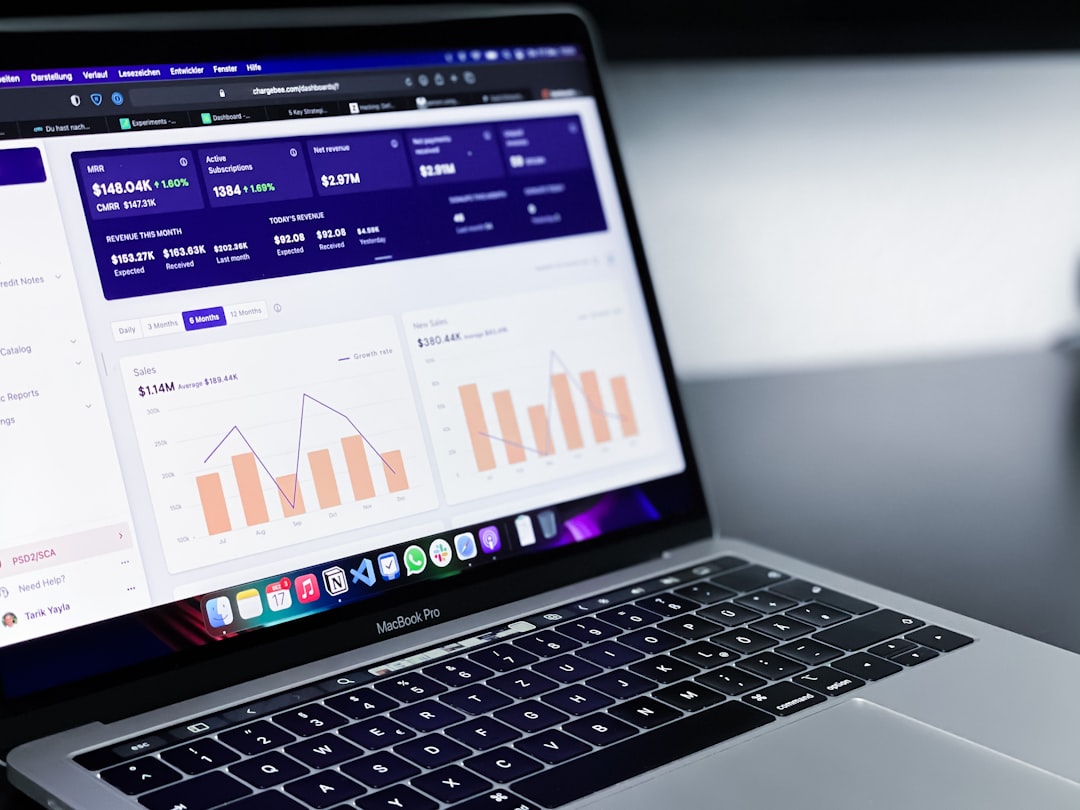
Side-by-Side Comparison Chart
| Platform | Ease of Use | Automation Depth | E‑Commerce Focus | Best For | Pricing Level |
|---|---|---|---|---|---|
| Klaviyo | Medium | Very Advanced | Very Strong | Scaling brands | High as list grows |
| Drip | Medium-High | Advanced | Strong | Growing stores | Mid to High |
| ActiveCampaign | Medium | Very Advanced | Moderate | Data-driven founders | Mid |
| Mailchimp | Very High | Basic to Moderate | Moderate | Beginners | Low to Mid |
| Omnisend | High | Moderate | Very Strong | Small to mid e‑commerce stores | Competitive |
Key Features Founders Compare Closely
Not all automation is created equal. Here is what smart founders zoom in on.
1. Workflow Builder Simplicity
Can you drag and drop?
Can you see the full customer journey clearly?
Or does it look like rocket science?
The faster you can build flows, the faster you make money.
2. Behavioral Triggers
Good drip software lets you trigger sequences based on:
- Page views
- Time on site
- Purchase value
- Product categories
- Email engagement
The more data it uses, the more personalized your brand feels.
3. Segmentation Power
Segmentation equals relevance.
If you can target “Customers who bought shoes but not socks,” you can cross-sell easily.
Advanced tools let you layer conditions. Simple tools limit this.
4. Integration with Store Platforms
Native Shopify integration is huge.
WooCommerce sync matters too.
Inventory sync? Even better.
The smoother the connection, the more efficient your automation.
5. Analytics and Reporting
Automation means nothing without data.
You want to see:
- Revenue per email
- Flow conversion rates
- Customer lifetime value
- A/B test results
If reporting is vague, decision-making becomes guesswork.

Common Automation Flows That Drive Revenue
No matter which drip tool founders choose, these flows almost always exist.
Welcome Sequence
The first impression.
This builds trust quickly.
Often includes a discount code.
Abandoned Cart Series
This is low-hanging fruit.
A few reminder emails can recover 10–20% of lost sales.
Post-Purchase Flow
Thank the customer.
Suggest complementary products.
Ask for a review.
This increases lifetime value without new ad spend.
Win-Back Campaign
If someone stops buying, automation nudges them back.
Often with an incentive.
How Founders Choose the Right Solution
There is no universal best tool. There is only the best fit.
Founders usually ask:
- How big is my email list?
- How complex are my products?
- Do I need SMS included?
- What is my monthly budget?
- Who will manage the automation?
A solo founder with 2,000 subscribers may not need enterprise-level automation.
A brand doing $5M per year probably does.
Mistakes to Avoid
Automation can be powerful. But it can also become messy.
- Overcomplicating workflows
- Ignoring performance data
- Sending too many emails
- Using generic messaging
- Not testing flows regularly
Remember this: automation saves time. But it still needs strategy.
The Big Takeaway
Drip solutions are not just email tools. They are revenue engines.
The right platform helps you:
- Work less manually
- Target better
- Scale faster
- Increase customer lifetime value
Efficiency is the real win.
When automation runs smoothly, founders focus on product, brand, and growth. Not on sending emails at midnight.
Choose the tool that matches your stage. Start simple if needed. Upgrade when complexity demands it.
Because in e‑commerce, the brands that automate smartly are the ones that grow sustainably.
And who does not want sales coming in while they sleep?