
Imagine walking into your house after a long day and the lights automatically brighten to your preferred setting, the thermostat adjusts to the perfect temperature, and your favorite music begins to play softly in the background. This isn’t a scene from a sci-fi film—this is the reality that smart home technology is creating today.
TLDR
Smart home technology is transforming how we live by making our homes more convenient, energy-efficient, and secure. From voice-activated assistants to intelligent lighting and temperature control, automation is elevating everyday comfort. These innovations also help save money and time, offering a better quality of life. As technology continues to improve, our homes will become more responsive, intuitive, and even personalized to our individual lifestyles.
What Is Smart Home Technology?
Smart home technology refers to a suite of devices and systems that automate and remotely control aspects of your home using internet-connected gadgets. These devices communicate with each other, typically through a central hub or your smartphone, to manage things like lighting, security, heating, and entertainment systems.
At its core, a smart home ecosystem brings together hardware, software, and internet connectivity to create a seamless living environment. Some examples of smart home products include:
- Smart thermostats like Nest or Ecobee
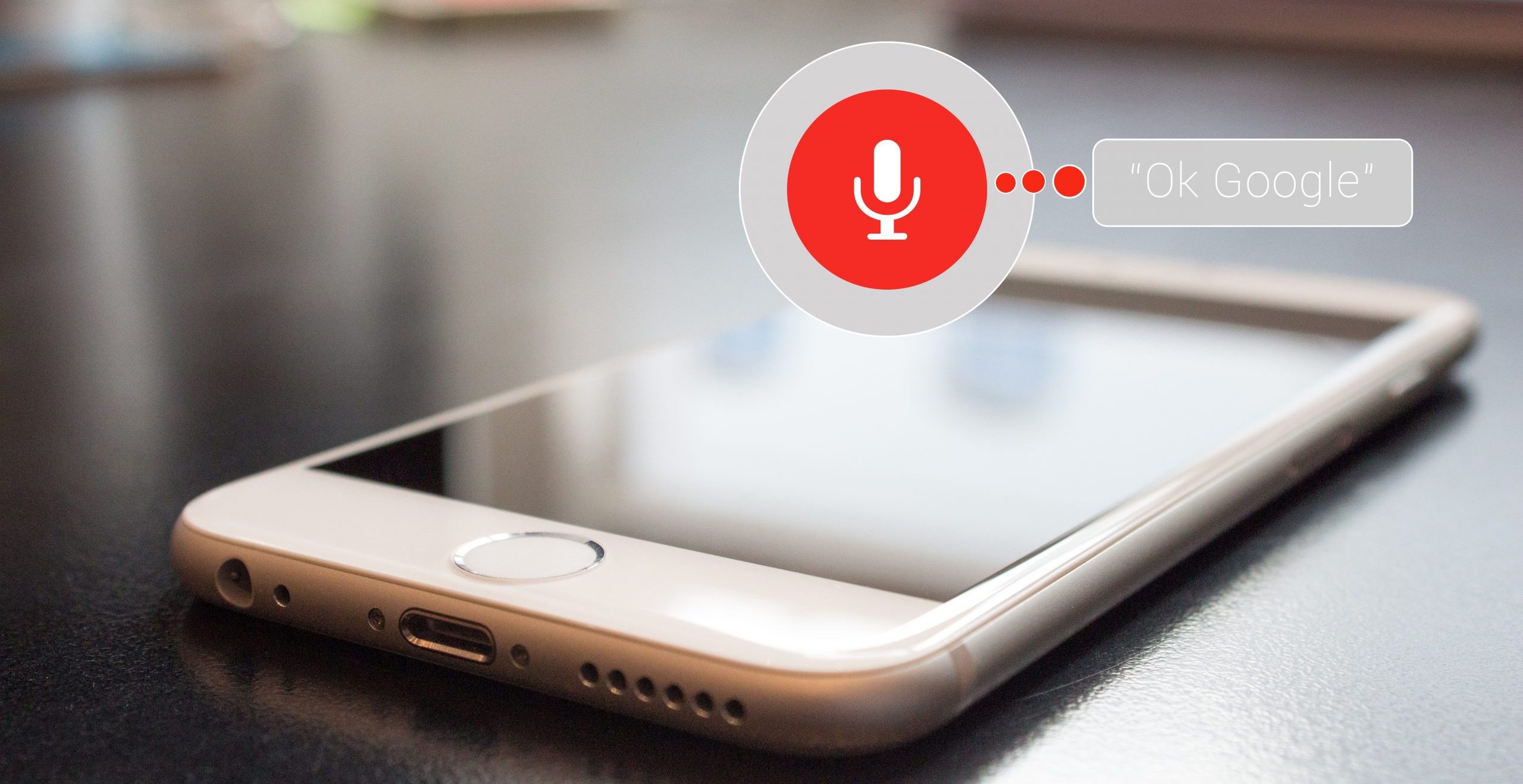
- Voice assistants such as Amazon Alexa, Google Assistant, or Apple Siri
- Smart light bulbs that can be dimmed or changed in color through an app
- Automated security systems with motion detection and smartphone alerts
- Smart refrigerators and appliances that track usage and offer suggestions
Comfort and Convenience at Your Fingertips
Imagine waking up gradually to smart blinds opening with the rising sun and a coffee maker that starts brewing as soon as your alarm goes off. Smart devices are already creating a more intuitive and responsive environment designed around your habits.
With voice commands, you can:
- Turn off the lights without leaving your bed
- Ask for the weather forecast while brushing your teeth
- Start a playlist right from the kitchen while cooking
All of these actions save time, reduce physical effort, and add a layer of customized convenience. Over time, these small efficiencies add up to significantly enhanced daily routines.
Energy Efficiency and Environmental Benefits
Smart home technology not only improves lifestyle comfort, but it also promotes sustainability and energy efficiency. Smart thermostats learn your schedule and adjust your home’s temperature accordingly, reducing energy waste. Lights and appliances can be programmed to turn off automatically when not in use, or adjusted to lower power settings.
Here are a few ways smart homes contribute to energy conservation:
- Automated lighting – Smart lights can switch off when you exit a room, saving electricity.
- Smart appliances – Refrigerators, washing machines, and ovens are optimized for minimal energy consumption.
- Energy tracking tools – These offer real-time insight into energy usage, allowing you to adjust usage habits.
These features can lead to significant savings on your utility bills over time. Plus, adopting eco-friendly habits becomes effortless when your home helps you implement them.
Enhanced Home Security
Security has historically involved deadbolts, alarms, and maybe a neighborhood watch program. Today, smart home tech offers 24/7 real-time monitoring and remote access that goes far beyond traditional security systems.
Key smart security devices include:
- Video doorbells – See and speak to visitors from your phone, even when you’re not home.
- Smart locks – Lock or unlock your door remotely and grant access to guests with virtual keys.
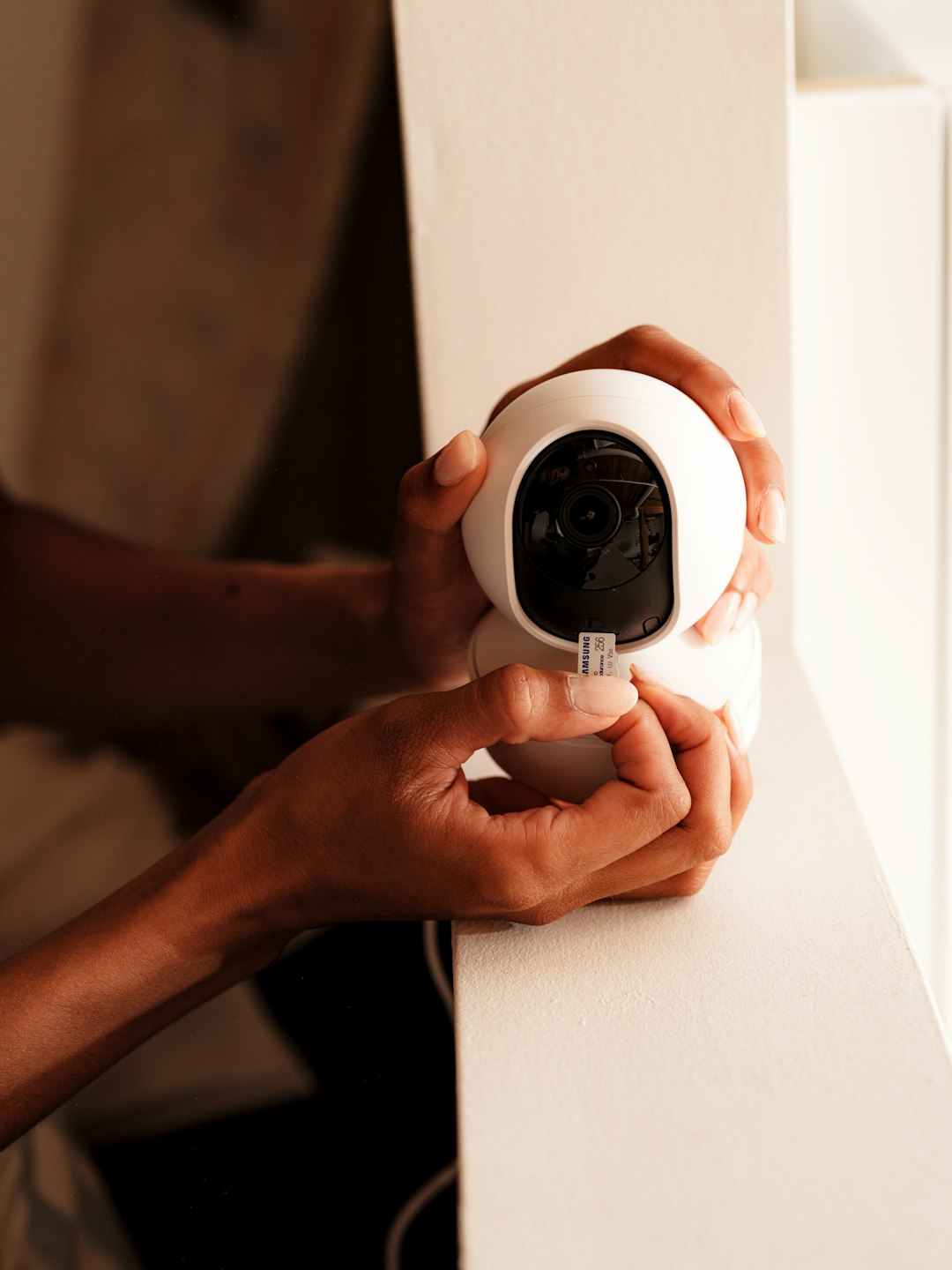
- Security cameras – Get motion-detection alerts and stream live video directly to your mobile device.
- Intrusion detection – Monitor doors, windows, and other entry points.
These systems create a strong deterrent against intrusions, while also offering homeowners peace of mind through instant alerts and the ability to respond quickly in emergencies.
Health and Wellness Monitoring
Smart home technology is increasingly being used for health tracking and elder care. Wearable devices can monitor heart rate, sleep patterns, and physical activity, but now, even your home environment can help you stay healthier.
Examples include:
- Smart air purifiers that adapt to air quality data in your home
- Connected scales that sync up with fitness and diet apps
- Medication reminders through smart speakers or devices
- Fall detection sensors for seniors living independently
This integration allows users to enjoy a greater sense of independence while ensuring safety, particularly beneficial for the elderly or those requiring special care.
The Role of AI and Machine Learning
One of the most exciting aspects of smart home technology is the use of AI (Artificial Intelligence) and machine learning to create increasingly personalized experiences. These technologies enable your smart devices to learn from your behaviors and adapt their responses accordingly.
For instance, a smart thermostat may recognize your preference for cooler temperatures in the morning and adjust automatically over time without needing manual input. Entertainment systems might suggest movies or playlists based on your watching habits. Over time, your smart home actually becomes smarter.
AI also allows for easier integration of various devices and automates interactions among them. So rather than programming each device, your home can manage itself intelligently based on your lifestyle patterns.
Challenges and Considerations
While the promise of smart home technology is vast and exciting, there are several important considerations to keep in mind.
- Privacy – As devices collect more data, protecting that data becomes essential. Users should understand what data is being collected and how it’s used.
- Compatibility – Not all smart devices work seamlessly with each other. Make sure your gadgets are compatible with a central hub or platform.
- Cost – Installing a fully connected smart home can be expensive. However, starting with a few core devices (like smart bulbs or thermostats) can be an affordable entry point.
- Technical issues – Connectivity problems, software bugs, and cybersecurity threats can disrupt the conveniences offered by smart tech.
Understanding these concerns will help you make informed choices and get the most value from your smart home setup.
What the Future Holds
Smart homes are poised to offer even more capabilities in the near future. Advancements in AI, robotics, and 5G connectivity will further enhance automation, allowing for real-time decision-making and increased personalization. We can expect:
- Robotic assistants for cleaning, caregiving, and errands
- Predictive maintenance that detects and prevents appliance failure
- Seamless voice integration with more natural conversations
- Affordability that makes smart tech accessible to the average consumer
Eventually, your home might evolve into an active participant in your daily life—supporting not just physical comfort, but mental wellness and social connections as well.
Conclusion
The rise of smart home technology marks the beginning of a new era in how we live, manage, and interact with our personal spaces. It offers a powerful combination of convenience, sustainability, security, and personalization. While challenges like security and compatibility remain, the potential rewards are too significant to ignore.
If you’re looking to improve how your household operates, starting the journey into smart home automation might just be the smartest decision you can make for yourself and your future.