Moving to a new phone is always exciting — faster performance, better cameras, and shiny new features await. But there’s one task that often trips people up: transferring essential apps like Microsoft Authenticator. Since this app is central to accessing everything from your email to banking apps, it’s crucial to get the migration process right. A misstep could lock you out of important accounts, so it’s worth taking the time to understand the correct procedure.
TL;DR
If you’re switching to a new phone, you’ll need to migrate Microsoft Authenticator carefully to preserve access to your accounts. First, make sure you back up your current Authenticator settings. Then install the app on your new device and restore the backup. Multi-step verification or re-adding some accounts manually may be required, so set time aside and have another device handy as a reference.
Why Your Authenticator App Matters
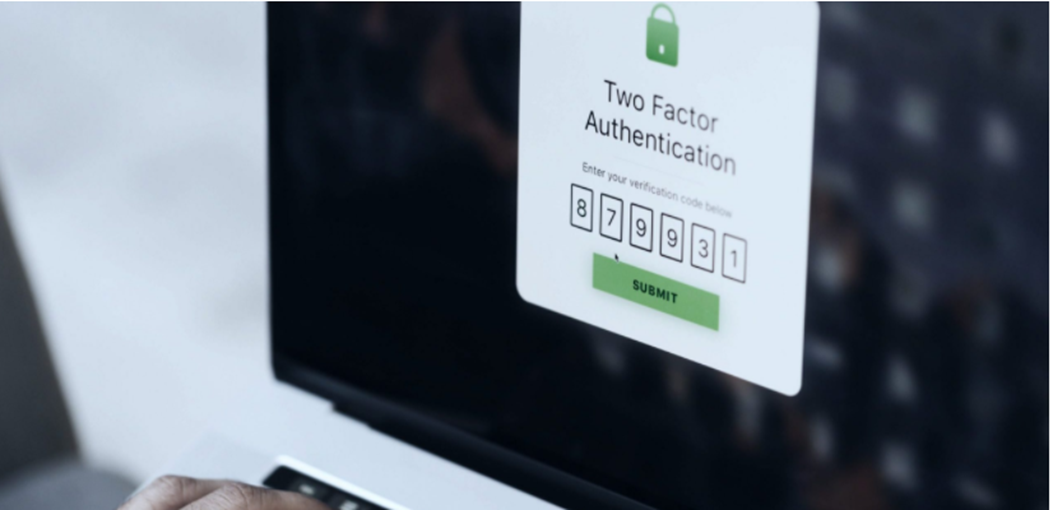
Microsoft Authenticator provides two-factor authentication (2FA) to secure your online accounts. It generates time-based passcodes or push notifications to verify your identity. Because it acts as a second layer of protection beyond your password, losing access to it can be a headache. That’s why correctly transitioning the app when you upgrade phones is crucial—it impacts everything from logging into work tools to resetting other passwords securely.
Prerequisites Before Transferring
Before you begin the transfer process, make sure to do the following:
- Ensure your current phone and the new phone are both available and charged.
- Update Microsoft Authenticator to the latest version on your current phone.
- Make use of cloud backup if available. Microsoft Authenticator has a cloud backup feature for easier transition.
- Have your Microsoft account credentials ready. You’ll need these to sign back into the new phone.
Step-by-Step: Using Cloud Backup
If you’ve enabled cloud backup in your Microsoft Authenticator app, the transfer becomes far easier. Here’s how to do it:
- Open Microsoft Authenticator on your old phone. Tap the menu (three dots) in the upper-right corner and go to Settings.
- Under “Backup,” ensure cloud backup is turned on. On Android, it uses Google Drive; on iOS, it uses iCloud.
- Install Microsoft Authenticator on your new phone from the Google Play Store or Apple App Store.
- Sign in with the same Microsoft account you used to enable the cloud backup.
- A prompt will appear to restore from backup. Confirm and restore your accounts.
Once restored, push notifications and verification codes will begin working on your new phone. However, accounts from some organizations may require re-validation, especially work or school accounts with strict security policies.

What If You Didn’t Back Up the App?
If you didn’t enable cloud backup beforehand, don’t worry — there’s still hope, though the steps will be more manual:
- Install the app on your new phone.
- Manually re-add each account. Go to the website or service that required Authenticator codes, log in and choose to add a new 2FA device.
- Scan the QR codes using the new phone’s camera through Microsoft Authenticator.
- Delete the old phone’s access method if prompted.
This approach isn’t as efficient and can be tedious if you’re using 2FA on dozens of apps or services. That’s why enabling cloud backup while using the app is a great habit.
Special Considerations for Work and School Accounts
Transferring personal accounts is relatively simple, but work and school accounts may be protected by organizational security policies. Here are a few things to keep in mind:
- Work accounts using Azure AD may require admin approval or re-registration through their security portal.
- Work profiles on managed devices might not allow cloud backup, necessitating manual reconfiguration.
- Your IT department might have disabled push notifications or limited app functions.
If access fails after the switch, contact your IT department with proper identification and request assistance in resetting your 2FA setups.
Restoring Push Notifications
Restoring the account does not always automatically restore push notifications. This commonly happens with Microsoft accounts. Here’s how to fix it:
- Log in to My Sign-Ins using your Microsoft account.
- Under “Security Info”, remove the old device listed under “Authenticator app”.
- Click on “Add sign-in method” and set up the Authenticator app again.
This trick refreshes the push linkage allowing you to receive authentication requests on your new phone.
Backing Up Regularly
To prevent future headaches, maintain cloud backup as a routine practice. Here’s how to ensure it’s always on:
- Open the Authenticator app and check the Settings menu regularly.
- Ensure you’re signed in to your Microsoft account within the app.
- Backups will automatically update whenever changes are made to your 2FA list.
It’s also wise to export screenshots or save recovery keys of TOTP-based accounts (like Twitch, Coinbase, etc.) which may not support backup through Microsoft Authenticator.
Recommended Alternatives or Complements
If you frequently change devices or want extra redundancy, consider using other 2FA tools alongside Microsoft Authenticator:
- Authy: Allows encrypted multi-device backup and sync.
- Google Authenticator: Now includes optional cloud synchronization and account transfer via QR code.
- Password managers: Some, like 1Password and Bitwarden, offer built-in OTP generation and syncing.
Diversifying your 2FA tools can minimize risk and simplify life during device upgrades or emergencies like lost phones.
Final Thoughts
In today’s world, where digital identity is as valuable as a physical key, protecting and managing it is no small matter. Migrating Microsoft Authenticator properly is a vital step in maintaining uncompromised digital security during a device change.
Take the time to back up, restore, and reconfigure where needed. Making this process smooth will provide peace of mind and uninterrupted access — with all your online doors staying securely locked and opened only by you.
Next time you switch phones, you’ll do so with the confidence that your digital credentials are safely in hand — or, more accurately, in your pocket.