
For many Pakistani workers relocating to Europe for employment, opening a local bank account is one of the first and most essential administrative tasks. A European bank account allows them to receive salaries, pay rent and utilities, send money home, and manage daily expenses efficiently. While the process varies slightly by country, the overall steps and required documents are broadly similar across the European Union and other European nations. Understanding the procedure in advance makes the transition smoother and less stressful.
TL;DR: A Pakistani worker in Europe typically needs a valid passport, residence permit or visa, proof of address, and employment contract to open a bank account. The process involves choosing the right bank, booking an appointment or applying online, submitting documents, and completing identity verification. Some countries allow non-residents to open accounts, while others require proof of local residence. Digital banks are often faster and easier for newcomers, but traditional banks may offer broader services.
Why Opening a European Bank Account Is Important
A European bank account provides financial stability and convenience. Most employers in Europe require a local IBAN (International Bank Account Number) to deposit salaries. Without it, workers may face delays or additional fees.
- Receive monthly salary directly via bank transfer
- Pay rent and utility bills through SEPA transfers
- Access debit cards for daily purchases
- Build a financial footprint in the host country
- Send remittances to Pakistan more easily

Step 1: Determine Residency Status
The first step is understanding one’s legal residency status. Most European banks require proof of legal stay in the country. A Pakistani worker may fall into one of the following categories:
- Work visa holder
- EU Blue Card holder
- Temporary residence permit holder
- Seasonal worker
In most cases, a valid visa and residence card are mandatory to open a full-service bank account. Some online banks allow account creation before receiving the physical residence card, but verification rules vary.
Step 2: Gather Required Documents
Although document requirements differ slightly across countries such as Germany, France, Italy, Spain, and the Netherlands, the following documents are generally required:
- Valid Pakistani passport
- Valid visa or residence permit
- Proof of address (rental contract or registration certificate)
- Employment contract or job offer letter
- Tax identification number (if already issued)
Some banks may also request proof of income or an initial deposit. It is advisable to carry both original documents and photocopies to the appointment.
Step 3: Choose the Right Type of Bank
European banking institutions are broadly divided into traditional banks and digital (online-only) banks. Each has advantages and disadvantages for Pakistani workers.
Traditional Banks:
- Physical branches available
- Full-service banking including loans and mortgages
- In-person customer support
- May require appointments and longer processing times
Digital Banks:
- Quick online application
- Lower fees
- English-language apps
- Limited in-branch services
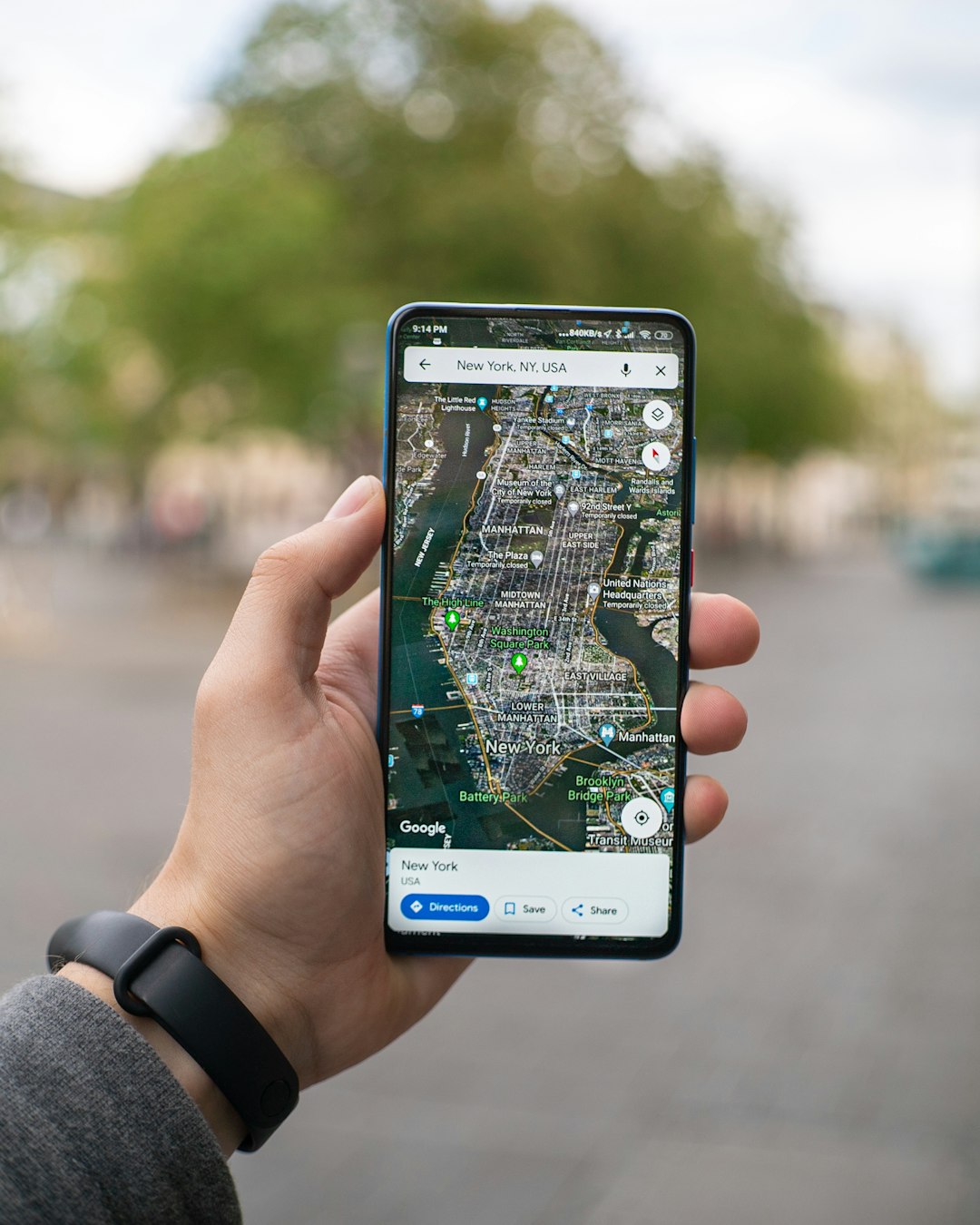
Comparison of Traditional vs Digital Banks
| Feature | Traditional Bank | Digital Bank |
|---|---|---|
| Application Process | In-person appointment | Online via app |
| Account Opening Time | Several days to weeks | 24 hours to a few days |
| Monthly Fees | Often €5–€15 | Often free or low cost |
| Customer Support | Branch + phone | Chat + email |
| Loan Services | Widely available | Limited or partner-based |
Step 4: Book an Appointment or Apply Online
For traditional banks, booking an appointment is usually required. This can be done via:
- The bank’s website
- Phone call
- Visiting a branch directly
During the appointment, a bank representative will review the documents and ask about employment, income source, and expected monthly transactions.
For digital banks, the entire application process typically happens through a smartphone application. Identity verification may be completed through:
- Video identification
- Uploading passport photos
- Selfie verification technology
Step 5: Complete Identity Verification
European banks are strictly regulated under anti-money laundering (AML) laws. As a result, identity verification is a critical step.
This may involve:
- Answering questions about the source of income
- Providing tax identification details
- Confirming address registration (such as Anmeldung in Germany)
Some countries require registration at the local municipality before bank account approval. Therefore, it is advisable to complete local address registration as early as possible.
Step 6: Deposit Initial Funds (If Required)
Some banks require an initial deposit, typically ranging from €0 to €100. Digital banks frequently waive this requirement.
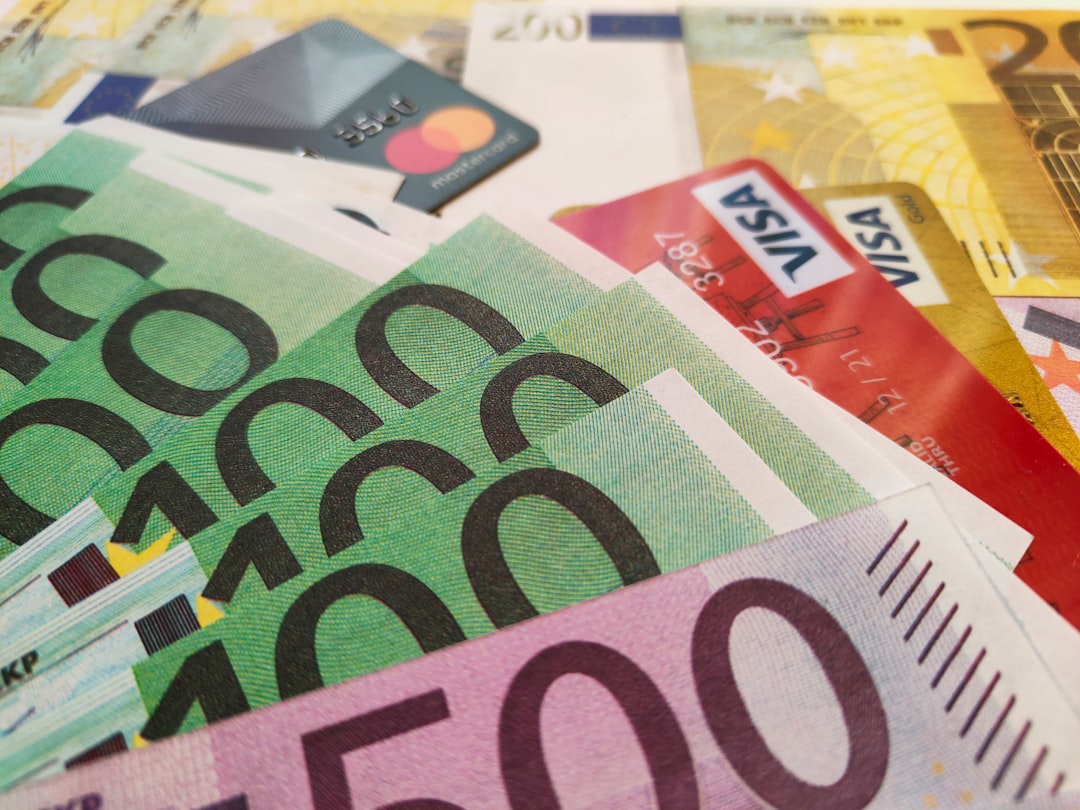
Once the account is opened, the worker will receive:
- An IBAN
- Online banking credentials
- A debit card (usually within 5–10 days by mail)
Step 7: Activate Online and Mobile Banking
Digital access is essential for managing finances. Workers should:
- Download the official banking app
- Set up two-factor authentication
- Enable transaction alerts
- Link salary and rental payments
Online banking allows easy transfers within SEPA (Single Euro Payments Area), which covers most European countries.
Special Considerations for Pakistani Workers
Language Barriers: Many European banks offer English services, but not all. Choosing a bank with English-language support can simplify communication.
Remittances to Pakistan: Some banks partner with international transfer services that offer better exchange rates. Comparing fees before choosing a bank is advisable.
Islamic Banking Needs: Fully Sharia-compliant banking options are limited in Europe but are available in certain countries. Alternatively, some workers maintain separate savings strategies.
Common Challenges and How to Overcome Them
- No Proof of Address Yet: Register the address immediately after securing housing.
- No Residence Card Issued: Ask whether a visa and work contract are temporarily sufficient.
- Application Rejected: Under EU law in many countries, residents have the right to a basic bank account.
- High Fees: Compare account maintenance fees carefully before signing.
Estimated Timeline
From arrival in Europe to having a fully operational bank account, the process usually takes between 3 days and 3 weeks, depending on documentation and bank type.
Frequently Asked Questions (FAQ)
1. Can a Pakistani worker open a European bank account before arriving in Europe?
In most cases, a local address and valid visa are required. Some digital banks allow partial registration before arrival, but full activation typically requires European residency.
2. Is a residence permit mandatory?
Yes, in most countries. Some banks may accept a valid work visa temporarily, but a residence permit strengthens the application.
3. How long does it take to receive a debit card?
Usually between 5 and 10 business days after account approval.
4. Are there special accounts for foreign workers?
Some banks offer “newcomer” or “expat” accounts designed specifically for foreign employees.
5. What if the bank refuses to open an account?
In many EU countries, residents are legally entitled to a basic bank account, even if other account types are denied.
6. Can money be sent to Pakistan from a European account?
Yes. Funds can be transferred using SWIFT or specialized remittance services linked to the bank.
7. What are typical monthly bank fees?
Fees range from €0 to €15 per month, depending on the bank and account type.
8. Is it better to choose a traditional or digital bank?
It depends on individual needs. Digital banks are faster and cheaper, while traditional banks may offer greater long-term financial services.
Opening a bank account in Europe is a manageable process for Pakistani workers when approached methodically. By preparing documents in advance, understanding residency requirements, and choosing the right financial institution, the transition into Europe’s financial system can be efficient and straightforward.