
The global financial system is undergoing a structural transformation, driven not by traditional banks but by agile, technology-first platforms that rethink how value is created, stored, and exchanged. Among these emerging forces, the Coyyn.com digital economy represents a broader movement toward decentralized infrastructure, programmable finance, and integrated digital ecosystems. As 2026 unfolds, platforms like Coyyn.com are not merely supplementing legacy finance—they are reshaping its foundations. Understanding this transformation is critical for investors, entrepreneurs, regulators, and enterprises navigating the next phase of economic digitization.
TLDR: The Coyyn.com digital economy reflects a wider shift toward decentralized, programmable, and platform-based financial ecosystems in 2026. Emerging digital platforms are integrating payments, assets, contracts, and identity into cohesive systems that reduce friction and expand access. These ecosystems combine blockchain infrastructure, AI-driven analytics, and embedded finance to challenge traditional banking models. As adoption grows, regulatory clarity and institutional participation are accelerating mainstream integration.
The Structural Shift Toward Platform-Based Finance
Over the past decade, financial technology evolved primarily around digitizing legacy processes—mobile banking apps, online lending portals, and digital wallets. In contrast, the current wave of innovation focuses on restructuring the architecture of finance itself. Platforms like Coyyn.com are participating in a model where finance is:
- Embedded directly into digital ecosystems
- Programmable through smart contracts and automated compliance
- Tokenized to enable fractional ownership and liquidity
- Interoperable across chains, networks, and jurisdictions
This transformation is not incremental. It represents a systemic redesign where financial services are no longer isolated verticals but integrated components of broader digital marketplaces.
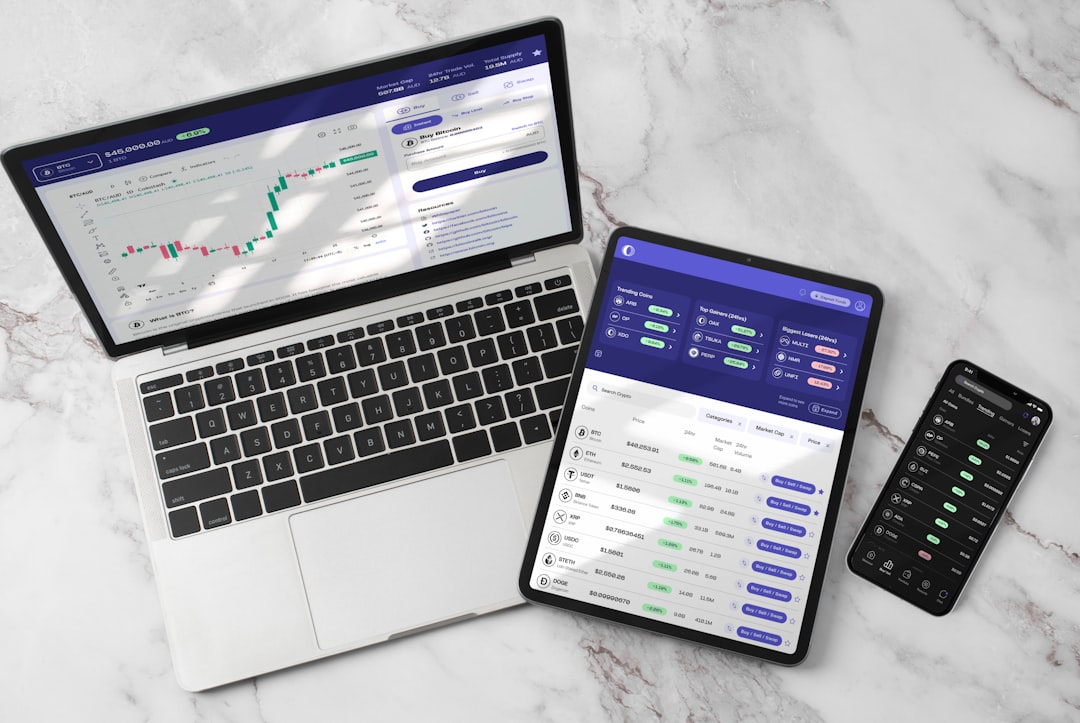
Understanding the Coyyn.com Digital Economy Model
At its core, the Coyyn.com digital economy reflects three converging pillars:
- Decentralized Infrastructure
- Platform-Centric Marketplace Design
- Data-Driven Financial Automation
1. Decentralized Infrastructure
Rather than relying solely on centralized custodians or payment rails, emerging platforms leverage distributed ledger technologies. This allows for transparent transaction validation, auditable asset movements, and reduced counterparty risk. Decentralization does not necessarily eliminate centralized governance, but it creates hybrid frameworks where trust is algorithmically reinforced.
2. Platform-Centric Marketplace Design
Coyyn.com aligns with a broader trend in which financial ecosystems become marketplaces for liquidity, capital, services, and digital assets. Users are not merely customers; they are participants within a multi-sided platform. Capital providers, developers, businesses, and consumers interact within the same infrastructure layer.
3. Data-Driven Financial Automation
By integrating analytics and artificial intelligence, platforms increasingly automate underwriting, liquidity allocation, and compliance monitoring. This reduces operational inefficiencies while enabling real-time risk management.
Tokenization: Unlocking New Asset Classes
One of the most significant components of the Coyyn.com digital economy is tokenization. In practical terms, tokenization converts real-world or digital assets into blockchain-based representations that can be divided, traded, and settled efficiently.
This has profound implications across asset categories:
- Real Estate: Fractional ownership reduces barriers to entry.
- Private Equity: Increased liquidity in traditionally illiquid markets.
- Intellectual Property: Programmable royalty streams.
- Commodities: Real-time settlement with transparent custody tracking.
The key advantage lies in liquidity enhancement. By lowering transaction friction and enabling fractionalization, tokenized markets expand investor participation while improving price discovery mechanisms.

Embedded Finance and Seamless Integration
The digital economy in 2026 is characterized by embedded finance—where financial services are integrated directly into non-financial platforms. For example:
- An e-commerce marketplace offers real-time lending at checkout.
- A logistics platform embeds insurance into shipment workflows.
- A freelance network provides automatic escrow and payment settlement.
Platforms aligned with the Coyyn.com model build modular APIs and financial rails that allow businesses to incorporate:
- Instant payments
- Digital asset custody
- Cross-border settlements
- Compliance reporting
This reduces dependency on fragmented service providers while enabling a unified digital infrastructure. In effect, financial services become a background utility rather than a visible transaction barrier.
Regulatory Evolution in 2026
No serious assessment of emerging financial ecosystems can ignore regulatory developments. The year 2026 marks a period of greater clarity across major jurisdictions:
- The implementation of standardized digital asset classifications.
- Expanded licensing frameworks for custodial and non-custodial platforms.
- Enhanced AML and KYC protocols integrated directly into smart contracts.
Rather than stifling innovation, regulatory maturation has fostered institutional confidence. Pension funds, asset managers, and multinational corporations are increasingly participating in digital ecosystems once considered experimental.
Compliance-by-design is becoming the norm. Platforms now embed verification, transaction monitoring, and audit capabilities directly into protocol architecture. This reduces legal uncertainty while improving systemic resilience.
Liquidity Transformation and Capital Efficiency
Traditional financial systems often suffer from slow settlement processes, layered intermediaries, and capital inefficiencies. Emerging digital economies address these inefficiencies through:
- Atomic settlement (simultaneous clearing and settlement)
- Programmable collateral management
- Automated yield allocation
- Cross-platform liquidity routing
For enterprises, this means reduced counterparty risk and faster capital turnover. For investors, it creates diversified yield opportunities across asset classes previously inaccessible or illiquid.
Image not found in postmetaThe Role of Artificial Intelligence
Artificial intelligence functions as the strategic intelligence layer in platforms like Coyyn.com. Its applications include:
- Risk modeling: Dynamic credit scoring using alternative data.
- Fraud detection: Pattern recognition across distributed networks.
- Liquidity forecasting: Predicting market stress events.
- Portfolio optimization: Automated allocation across tokenized assets.
In 2026, the synergy between AI and blockchain infrastructure has become a defining characteristic of advanced financial platforms. Blockchain ensures transparency and immutability, while AI enables predictive intelligence and adaptive decision-making.
Interoperability: The Foundation of Sustainable Growth
Interoperability remains one of the most critical challenges in digital finance. Early platforms often operated in siloed environments. Today’s leading ecosystems prioritize cross-chain bridges, API harmonization, and standardized communication protocols.
This enables:
- Asset transfers across multiple blockchain environments.
- Integration with traditional banking infrastructure.
- Cross-border compliance synchronization.
Interoperability is not merely technical; it is strategic. Without it, liquidity becomes fragmented. With it, digital economies scale globally while maintaining cohesion.
Institutional Adoption and Market Legitimacy
The transition from speculative experimentation to structured institutional participation marks a defining difference between 2021–2023 digital asset markets and 2026 ecosystems. Financial institutions now approach emerging platforms with clear mandates:
- Digital asset allocation strategies
- Tokenized bond issuances
- Blockchain-based trade finance
- Real-time settlement networks for cross-border payments
This institutionalization brings not only capital but also governance rigor, internal compliance frameworks, and standardized reporting metrics.
Challenges and Risk Factors
Despite rapid growth, the Coyyn.com digital economy and similar ecosystems face measurable risks:
- Cybersecurity threats in increasingly interconnected protocols.
- Smart contract vulnerabilities requiring continuous auditing.
- Regulatory divergence between jurisdictions.
- Liquidity shocks triggered by macroeconomic volatility.
Mitigating these risks requires layered security systems, transparent governance models, and collaborative regulatory engagement. Sustainable growth depends not on speed alone, but on structural resilience.
The Broader Economic Impact
The long-term significance of emerging digital financial platforms lies in their macroeconomic implications. By lowering barriers to entry and increasing market participation, they contribute to:
- Financial inclusion for underbanked populations.
- Capital democratization across geographic boundaries.
- Entrepreneurial acceleration through easier fundraising mechanisms.
- Global liquidity harmonization reducing regional inefficiencies.
In many respects, platforms like Coyyn.com symbolize a transition from hierarchical finance to network-based finance. Power shifts from centralized intermediaries toward programmable protocols governed by transparent rules.
Conclusion: A Defining Moment for Financial Architecture
The financial ecosystems emerging in 2026 are not temporary trends but foundational shifts in economic infrastructure. The Coyyn.com digital economy illustrates how decentralized systems, platform integration, AI analytics, and regulatory maturation converge to create a new paradigm.
These platforms challenge conventional assumptions about ownership, liquidity, compliance, and access. They reduce friction where traditional institutions rely on complexity. They embed finance where it was once separate. Most importantly, they prioritize architectural efficiency alongside trust.
For stakeholders evaluating the future of finance—whether as investors, executives, policymakers, or technologists—the message is clear: emerging digital platforms are not peripheral innovations. They represent the next structural evolution of global financial ecosystems.
The transformation is ongoing, but the direction is unmistakable. Financial infrastructure is becoming programmable, interoperable, and deeply integrated into the digital fabric of everyday commerce.