Imagine hearing your favorite book read in your own voice. Or sending a birthday message that sounds exactly like you, even when you are busy. That is the magic of voice cloning software. It lets you create a digital version of a real voice. And it is changing the way we experience audio.
TLDR: Voice cloning software uses artificial intelligence to copy and recreate human voices. It helps people personalize audiobooks, podcasts, videos, customer service, and more. The technology is easy to use and more affordable than ever. But it must be used responsibly to protect privacy and avoid misuse.
Let’s explore how it works. Let’s see where it shines. And let’s understand why so many creators and businesses are excited about it.
What Is Voice Cloning Software?
Voice cloning software is a type of AI tool. It studies how a person speaks. It listens to tone. It analyzes pitch. It notices rhythm and pauses. Then it creates a synthetic version of that voice.
The result? A computer-generated voice that sounds amazingly real.
You usually start by uploading audio samples. Some tools need just a few minutes. Others may require more recordings for better accuracy. After processing, the system builds your voice model. You can then type any text. The software reads it out loud in the cloned voice.
It feels like science fiction. But it is real and growing fast.
How Does It Actually Work?
At the heart of voice cloning is machine learning. More specifically, deep learning models.
Here is a simple breakdown:
- Data Collection: The system gathers voice recordings.
- Voice Analysis: AI studies speech patterns and sound features.
- Model Training: The software creates a voice profile.
- Speech Generation: The cloned voice reads new text.
The more high-quality audio you provide, the better the result. Clear recordings. Minimal background noise. Natural speaking style. These all help.
Some advanced systems can even capture:
- Emotions
- Accents
- Whispers
- Excitement
- Serious tones
This makes the experience feel personal and alive.
Why People Love Voice Cloning
Voice is powerful. It connects us. It feels human.
Here are a few reasons why voice cloning software is becoming so popular:
1. Personalized Audiobooks
Parents can record a small sample of their voice. Then create bedtime stories read in their own tone. Even if they are traveling. Kids still hear mom or dad.
2. Custom Podcasts
Creators can fix mistakes without re-recording entire episodes. Just type the corrected sentence. The AI handles the rest.
3. Gaming and Virtual Worlds
Players can give characters their own voice. This makes gameplay more immersive.
4. Business Branding
Brands can build a consistent voice identity. Every ad. Every tutorial. Every customer interaction. Same voice. Same vibe.
5. Accessibility
People who lose their voice due to illness can preserve it beforehand. Later, they can still communicate in a voice that sounds like them. That is deeply meaningful.
Popular Voice Cloning Tools
There are many tools available today. Some focus on creators. Others serve large businesses. Below are a few well-known platforms.
- ElevenLabs – Known for realistic voices and emotional control.
- Descript Overdub – Great for podcast editing and corrections.
- Resemble AI – Offers voice cloning for brands and developers.
- Murf AI – User-friendly and good for marketing content.
- Lovo AI – Popular for video narration and e-learning.
Quick Comparison Chart
| Tool | Best For | Ease of Use | Voice Realism | Emotion Control |
|---|---|---|---|---|
| ElevenLabs | Audiobooks, storytelling | High | Excellent | Advanced |
| Descript Overdub | Podcast editing | Very High | Very Good | Moderate |
| Resemble AI | Brand voice, apps | Moderate | Excellent | Advanced |
| Murf AI | Marketing videos | High | Very Good | Basic |
| Lovo AI | E-learning | High | Very Good | Moderate |
Each platform has its strengths. Your choice depends on your goals.
How to Create Your Own Cloned Voice
Getting started is easier than you think.
- Choose a Platform: Sign up for a trusted voice cloning tool.
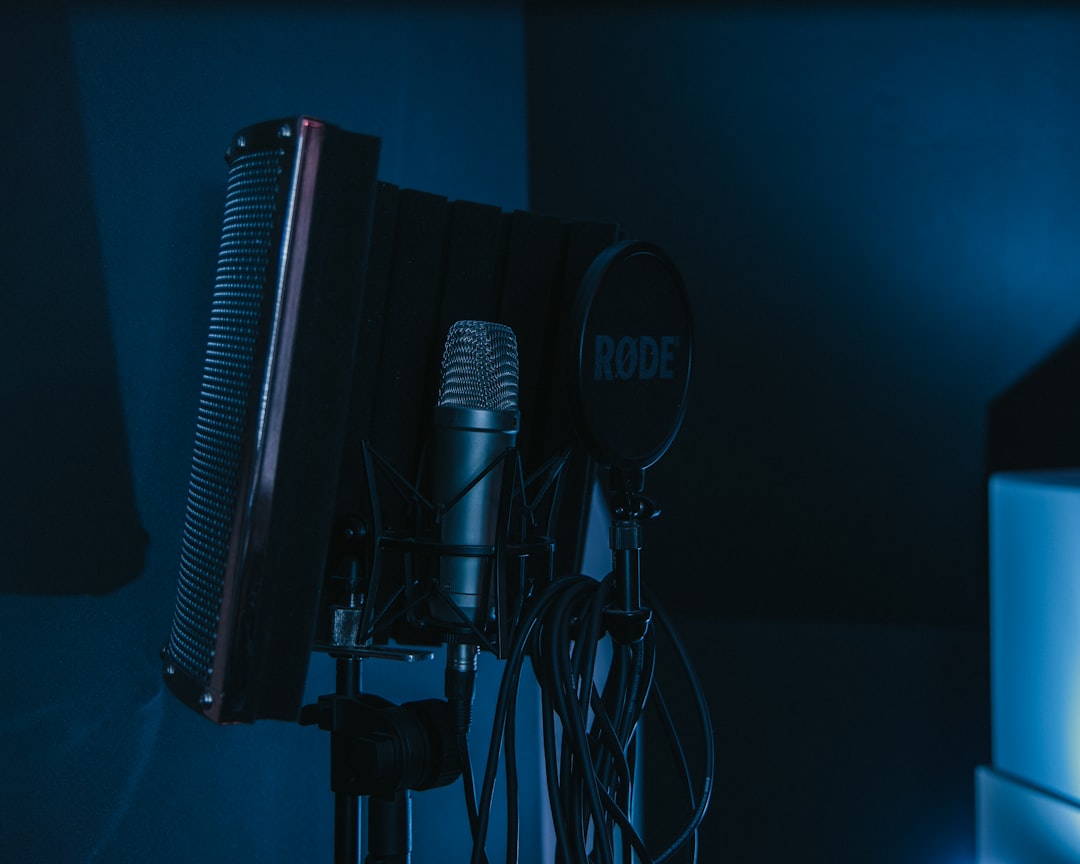
- Record Samples: Use a good microphone. Speak clearly. Avoid background noise.
- Upload Audio: Follow the platform’s instructions.
- Train the Model: Wait while the AI processes your voice.
- Type Text: Generate new speech instantly.
That’s it. In many cases, the process takes less than an hour.
For best results:
- Use a quiet room.
- Maintain a steady tone.
- Avoid rushing.
- Provide varied sentences.
Clarity improves everything.
Creative Ways to Use Voice Cloning
This technology is not just practical. It is also fun.
Here are creative ideas:
- Personalized Meditation Tracks – Hear calming messages in your own voice.
- Custom GPS Navigation – Let your best friend guide your road trips.
- Interactive Learning – Teachers can create dynamic lessons.
- Holiday Messages – Send festive greetings that sound professional.
- Digital Avatars – Pair your cloned voice with animated characters.
The possibilities keep expanding.

The Ethical Side of Voice Cloning
With great power comes responsibility.
Voice cloning can be misused. For example:
- Impersonation scams
- Fake celebrity recordings
- False political messages
That is why many platforms require:
- Identity verification
- Consent forms
- Clear labeling of AI-generated audio
As a user, you should always:
- Get permission before cloning someone’s voice.
- Be transparent about AI-generated content.
- Avoid misleading or harmful uses.
Used responsibly, this technology can be helpful and inspiring. Used poorly, it can damage trust.
Voice Cloning for Businesses
Companies are embracing voice AI quickly.
Here is how businesses use it:
- Customer Support: Automated yet human-like service.
- Training Videos: Fast updates without re-recording audio.
- Marketing Campaigns: Consistent brand voice across markets.
- Multilingual Content: Same voice, different languages.
This saves time. It reduces cost. It increases consistency.
Small businesses benefit too. A startup can sound polished without hiring expensive voice actors every time.
The Future of Voice Cloning
The technology is evolving fast.
In the near future, we may see:
- Real-time voice cloning during live calls
- Instant translation while keeping your voice
- Emotion sliders for precise mood control
- Better detection of fake audio
Imagine speaking in English. And someone hears you in Spanish. But still in your voice. That future is closer than you think.
We are entering an era where audio becomes deeply customizable.
Final Thoughts
Voice cloning software is more than a tech trend. It is a new form of expression.
It allows us to personalize how we sound in the digital world. It helps creators move faster. It supports people who need accessible communication. It makes audio more flexible and fun.
At the same time, it demands responsibility. Consent matters. Transparency matters. Ethics matter.
If used wisely, voice cloning can bring stories to life in new ways. It can make technology feel warmer and more human. And it can turn simple text into something that truly speaks to us.
The future has a voice. And it might sound just like you.