Food truck catering has moved far beyond the novelty of serving tacos or sliders from a window. Today, it is one of the most dynamic ways to turn a gathering into an experience guests can see, smell, customize, and remember. Whether it is a wedding, corporate event, festival, birthday party, graduation celebration, or community fundraiser, food trucks bring a sense of movement and excitement that traditional buffet lines often struggle to create.
TLDR: Food truck catering creates a more interactive guest experience by turning the meal into an activity rather than a simple service. Guests can customize their orders, talk directly with chefs, watch food being prepared, and gather around a lively focal point. This style of catering encourages conversation, movement, and memorable moments that make events feel more relaxed, social, and engaging.
It Turns Dining Into Part of the Entertainment
At many events, food is expected but not always memorable. Guests walk through a buffet, choose from pre-set trays, and return to their seats. Food truck catering changes that pattern by making the meal itself part of the entertainment. The truck becomes a visual centerpiece, often wrapped in colorful branding, lit with menu boards, and surrounded by delicious aromas.
The simple act of approaching a truck, reading the menu, placing an order, and watching the food come together adds anticipation. Guests are not just receiving a plate; they are participating in a mini dining experience. This makes the catering feel more like a street food festival or pop-up restaurant than a standard event meal.
That shift matters. Interactive experiences are more likely to be remembered because guests feel involved. They have a moment of choice, a bit of discovery, and often a chance to talk with the people preparing their food. This gives the event a more energetic and personal atmosphere.
Guests Get to Customize Their Meals
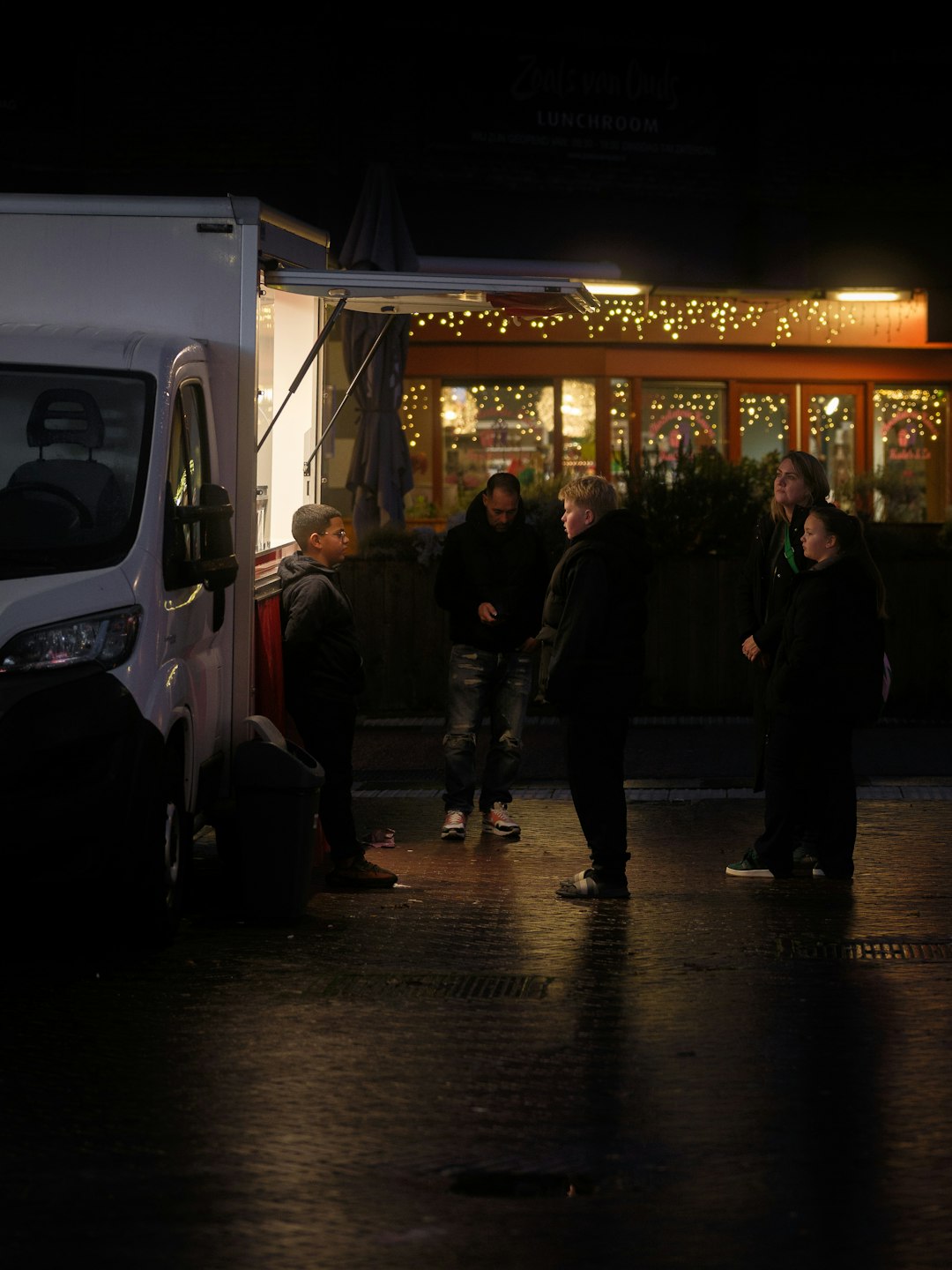
One of the strongest ways food truck catering creates interaction is through customization. Instead of serving one meal to everyone, food trucks often allow guests to build their own plates. This might include choosing toppings, sauces, spice levels, proteins, sides, or portion sizes.
Customization makes guests feel seen and considered. A taco truck may offer different salsas, fillings, and garnishes. A burger truck may allow guests to choose cheese, sauces, toppings, and bun styles. A dessert truck might let people pick ice cream flavors, cookie combinations, or drizzles. Even small choices create a sense of ownership over the meal.
This is especially useful at events with diverse dietary preferences. Food trucks can often offer options for:
- Vegetarian and vegan guests
- Gluten-free diners
- Guests who prefer mild or spicy flavors
- Children who want simpler menu items
- Adventurous eaters looking for something bold
Instead of forcing guests to adapt to a fixed menu, food truck catering lets the menu adapt to the crowd. That flexibility naturally encourages engagement because guests are invited to make decisions and express their preferences.
Direct Interaction With Chefs Adds Personality
In traditional catering, the people who cook the food are often hidden in a kitchen or back-of-house area. With food trucks, the cooking team is usually visible and approachable. Guests can ask questions, request recommendations, or watch a chef add the finishing touch to a dish.
This creates a more personal connection between the food and the people enjoying it. A guest might ask which sauce is the most popular. Another might ask how spicy a dish really is. Someone else may compliment the chef directly after taking a first bite. These small exchanges can make the experience feel friendly, informal, and human.
For event hosts, this is valuable because it adds personality without requiring extra entertainment. A charismatic food truck team can become part of the event’s atmosphere. Their energy, friendliness, and cooking style contribute to the overall mood.
The Visual Experience Builds Excitement
Food trucks are naturally visual. Guests can see flames from a grill, steam rising from fresh dumplings, chocolate sauce being poured over crepes, or pizza being pulled from an oven. The cooking process becomes a performance, especially when the menu includes dramatic or highly visual items.
This kind of “open kitchen” effect keeps people interested. Instead of food appearing from behind closed doors, it is prepared in front of them. The sounds, smells, and sights all work together to build anticipation.
Some popular visual moments include:
- Fresh dough being stretched for pizza, flatbreads, or pastries
- Meat sizzling on a grill with smoke and aroma drawing guests closer
- Desserts being assembled with toppings, sauces, and whipped cream
- Coffee, lemonade, or cocktails being crafted to order
- Colorful bowls or tacos being finished with herbs, citrus, and sauces
These details create sensory engagement. Guests are more likely to take photos, share videos, and talk about the food when it looks as exciting as it tastes.
Food Truck Lines Encourage Social Interaction
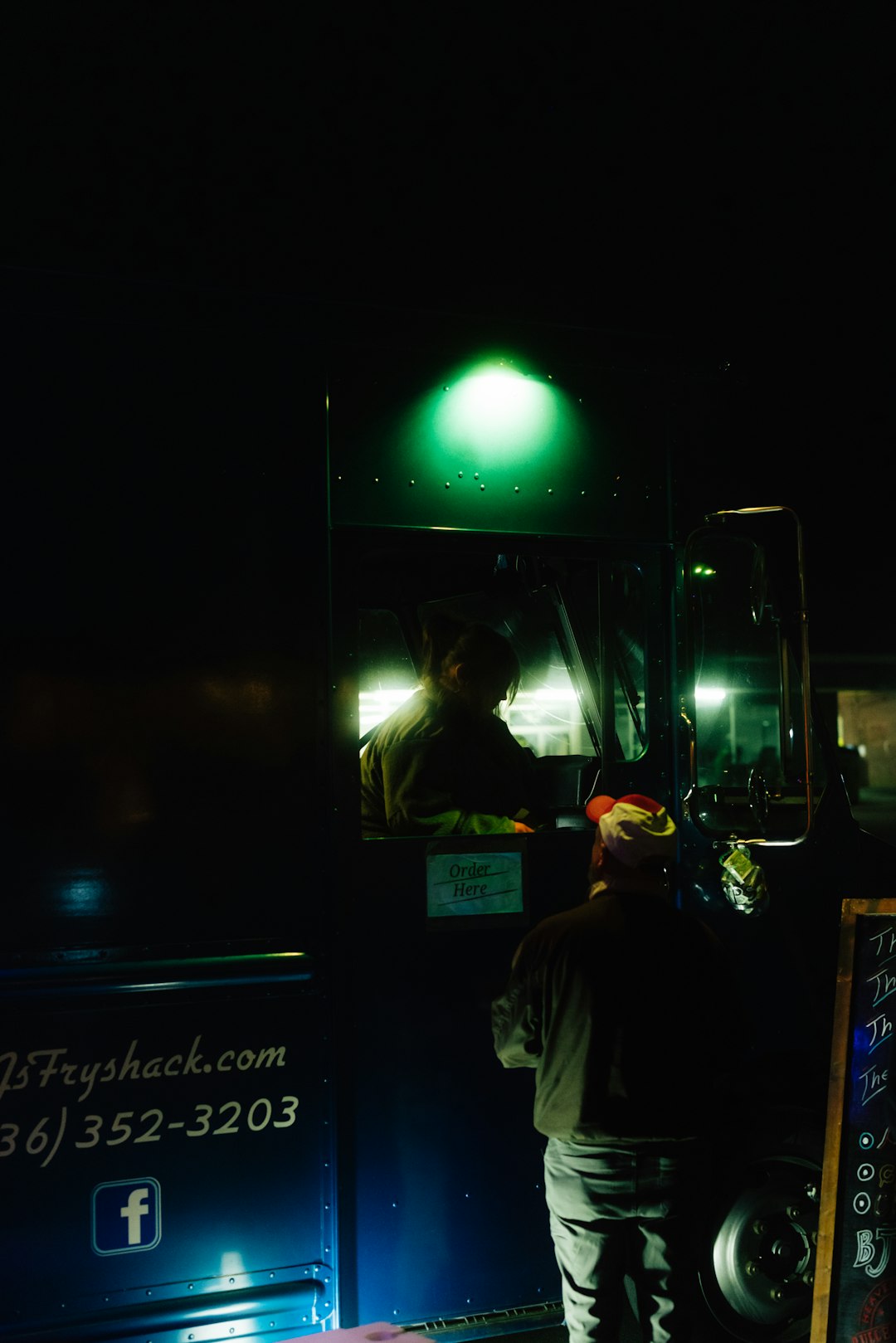
At first, a line might not sound like a benefit. However, food truck lines often create a natural social space. Guests chat while waiting, compare menu choices, ask others what they are ordering, and sometimes meet people they would not have spoken to otherwise.
Unlike formal seated service, where guests remain mostly at their assigned tables, food truck catering gets people moving. Movement breaks up social barriers. At a wedding, friends from different sides of the family might start a conversation while waiting for gourmet grilled cheese. At a corporate event, employees from different departments may connect over a shared love of spicy noodles or barbecue.
The key is to manage the line well. A good food truck caterer will plan service timing, menu size, prep flow, and staffing so the wait feels reasonable. When handled properly, the line becomes a place for casual interaction rather than frustration.
It Creates a More Relaxed Atmosphere
Food trucks tend to make events feel less stiff and more welcoming. Even at elegant occasions, they introduce a sense of ease. Guests feel comfortable walking around, ordering when ready, and enjoying food in a less formal way.
This relaxed format can be especially helpful for events where the host wants to avoid a rigid schedule. Instead of everyone eating at exactly the same moment, food truck catering can create a flexible dining window. Guests can mingle, order, return for seconds, or try something different if multiple trucks are available.
This style of service works beautifully for:
- Outdoor weddings with lawn games and lounge seating
- Corporate appreciation events where employees can unwind
- Birthday parties with a casual, festive mood
- School and community events with guests of all ages
- Brand activations that need energy and foot traffic
By removing some of the formality around dining, food trucks help guests feel more at ease. And when people are comfortable, they are more likely to talk, laugh, explore, and participate.
Multiple Trucks Create a Mini Food Festival
One truck can be exciting, but several trucks can transform an event into a mini food festival. Offering multiple cuisines gives guests a sense of exploration. They can sample barbecue, tacos, noodles, wood-fired pizza, desserts, coffee, or specialty drinks all in the same space.
This creates a powerful interactive element because guests begin to compare, recommend, and plan their food journey. Someone might say, “You have to try the loaded fries,” while another guest insists the bao buns are the best item at the event. Food becomes a conversation starter.
A multi-truck setup also encourages guests to move through different areas of the venue. This can prevent crowding and help activate outdoor spaces, courtyards, parking lots, gardens, or festival grounds. Each truck acts like a station with its own identity and energy.
For larger events, hosts can make the experience even more engaging by adding tasting cards, voting tokens, or a “guest favorite” award. These simple additions invite people to participate and share opinions, turning the meal into a friendly competition.
Menus Can Match the Theme of the Event
Food truck catering is highly adaptable, which means the menu can support the event theme. A beach party might feature fish tacos, shaved ice, and tropical drinks. A rustic wedding might include wood-fired pizza, barbecue, and hand pies. A corporate launch event might choose sleek coffee carts, branded desserts, or globally inspired street food.
When the food matches the theme, guests feel more immersed in the event. The catering becomes part of the storytelling. Instead of simply feeding people, the menu helps communicate the mood, culture, or personality of the occasion.
Some hosts even collaborate with food truck operators to create custom menu names or limited-time dishes. A wedding couple might name a signature taco after their dog. A company might serve a dessert inspired by a new product launch. These little touches invite guests to notice details and feel connected to the celebration.
Food Trucks Are Naturally Photo Friendly
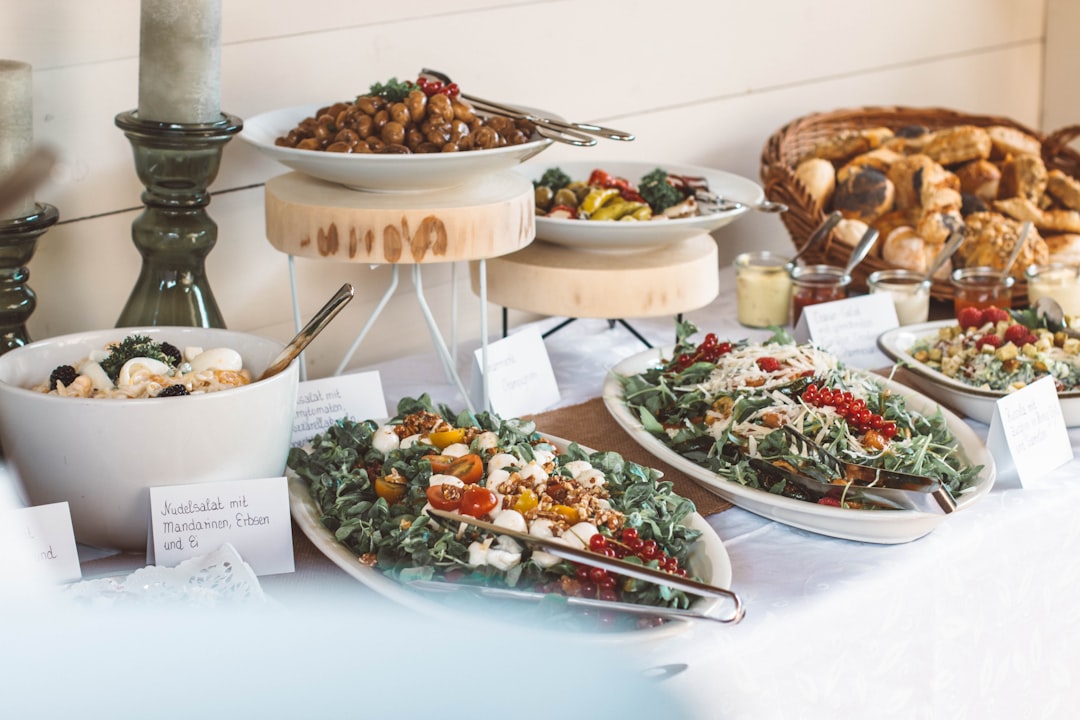
In the age of social media, visual moments matter. Food trucks often provide great backdrops for photos because they are colorful, unique, and full of activity. Guests take pictures while ordering, posing with their food, or capturing the truck’s design and glowing lights in the evening.
Interactive food also tends to be highly shareable. Think of loaded nachos, rainbow shaved ice, decorated cupcakes, artisan coffee, or a perfectly stacked burger. When guests photograph and share these moments, they extend the life of the event beyond the venue.
For private events, this creates personal memories. For corporate or promotional events, it can increase organic visibility. A branded food truck, custom packaging, or specialty menu item can quietly encourage guests to share the experience online.
It Supports Hands-On Additions and Activities
Food truck catering can also be paired with activities that deepen interaction. A dessert truck might offer a build-your-own sundae bar. A taco truck might include a salsa tasting station. A coffee truck could provide latte art demonstrations. A pizza truck might let children choose their own toppings before the pizza is baked.
These hands-on additions give guests something to do, not just something to eat. They are especially effective at family events, festivals, team-building gatherings, and casual receptions. The more guests can participate, the more memorable the experience becomes.
Interactive add-ons may include:
- DIY topping stations for tacos, burgers, bowls, or desserts
- Sampling flights of sauces, drinks, or small bites
- Chef demonstrations featuring signature techniques
- Voting cards for favorite dishes or flavor combinations
- Custom packaging where guests can write names or messages
These details do not have to be complicated. Even a simple sauce bar can spark conversation and encourage guests to try something new.
It Helps Break the Ice
At events where not everyone knows each other, food trucks make excellent icebreakers. Food is one of the easiest topics for conversation because everyone has opinions, preferences, and favorites. A guest can ask, “Have you tried the Korean barbecue yet?” or “Which sauce did you get?” without feeling awkward.
This is particularly useful at networking events, conferences, company picnics, and large weddings. Instead of standing around searching for something to say, guests can talk about the menu, the truck, or the dish in their hands. Food creates common ground.
The informal nature of food truck service also reduces social pressure. People can gather in small groups, drift between conversations, and interact more naturally than they might during a formal plated dinner.
It Gives Hosts More Creative Control
Food truck catering allows hosts to shape the event experience in creative ways. They can choose trucks that reflect their personality, culture, favorite cuisine, or event goals. A couple who loves late-night snacks might bring in a fry truck after the dance floor opens. A company that values local businesses might hire neighborhood food trucks. A festival organizer might curate a diverse lineup that reflects the community.
This creative control helps the event feel more intentional. Guests notice when the food has been chosen with care. It tells them something about the host and provides another layer of connection.
Hosts can also use food trucks to guide the flow of the event. A coffee truck can welcome guests in the morning. A savory truck can anchor the main meal. A dessert truck can signal the transition into a more playful part of the evening. Each truck becomes part of the event’s rhythm.
Final Thoughts
Food truck catering creates a more interactive guest experience because it invites people to participate. Guests choose, customize, watch, talk, taste, compare, photograph, and move through the event in a more natural way. Instead of treating food as a background detail, food trucks turn it into a lively focal point.
From chef conversations and custom menus to festival-style layouts and hands-on toppings, the possibilities are flexible and fun. For hosts who want their event to feel social, memorable, and full of energy, food truck catering offers far more than convenience. It creates an experience guests can truly engage with, one order at a time.