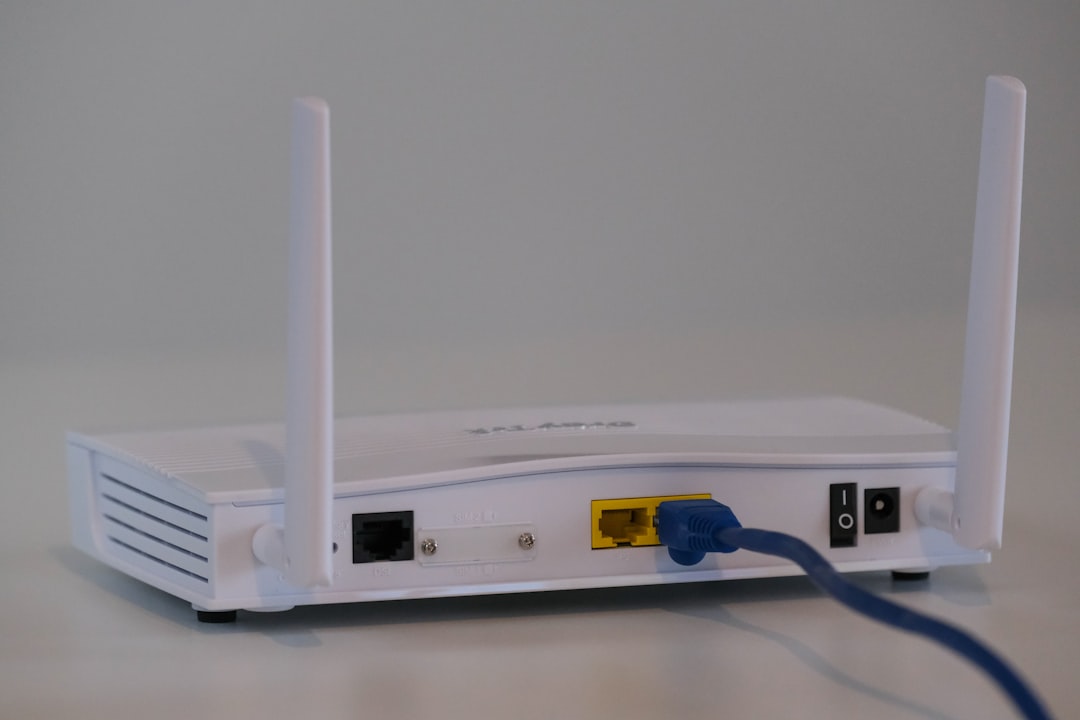
Experiencing a connection failure can be frustrating—especially when it interrupts your work, streaming, or online gaming. One increasingly reported issue is Wiilink Error Code 107305, a connectivity error that prevents users from successfully establishing or maintaining a network connection. Although the code itself may appear technical and ambiguous, it typically points to a specific set of network configuration or server communication problems. Understanding why it happens is the first step toward resolving it effectively.
TLDR: Wiilink Error Code 107305 usually occurs due to network configuration issues, unstable internet connections, DNS conflicts, firewall restrictions, or server-side interruptions. In most cases, the problem can be resolved by restarting equipment, adjusting DNS settings, checking firewall permissions, or ensuring the Wiilink service is operational. System updates and router configuration corrections may also provide a permanent fix. Careful diagnosis is key to preventing repeat interruptions.
What Is Wiilink Error Code 107305?
Wiilink Error Code 107305 is a connectivity-related error that appears when a device fails to communicate properly with the Wiilink server infrastructure. While the exact environment can vary—whether on a gaming console, application client, or streaming service—the core issue generally involves a breakdown in network communication between the user’s device and Wiilink’s authentication or service servers.
This error does not automatically indicate a permanent failure. Instead, it typically signals:
- Server communication timeouts
- Improper DNS settings
- Firewall or router interference
- Network instability or packet loss
- Outdated firmware or software conflicts
The encouraging news is that most instances of Error Code 107305 can be resolved through systematic troubleshooting.
Common Causes Behind Error Code 107305
Before applying fixes, it is essential to identify the underlying cause. Below are the most frequent reasons this error appears.
1. Unstable or Weak Internet Connection
A temporary drop in bandwidth, high latency, or packet loss can interrupt communication between your device and Wiilink servers. Wireless networks are especially prone to interference from walls, electronic appliances, or overlapping signals.

If your internet speed fluctuates significantly or if other devices are also experiencing connectivity issues, this is likely the root cause.
2. DNS Configuration Problems
DNS (Domain Name System) settings translate domain names into IP addresses. If DNS entries are incorrect or unreachable, your device may fail to connect to Wiilink’s servers, triggering Error 107305.
Incorrect manual DNS settings are a common source of this problem.
3. Firewall or Security Restrictions
Modern routers and antivirus software often include firewalls designed to block suspicious traffic. In some cases, they may mistakenly block legitimate communication with Wiilink servers.
This typically happens when:
- Strict NAT types are enabled
- Custom firewall rules are configured
- Port forwarding is misconfigured
- Third-party security software flags the traffic
4. Server Maintenance or Outages
Occasionally, the issue is not on your end. If Wiilink servers are undergoing maintenance or experiencing unexpected downtime, connection requests may fail temporarily.
These outages are usually short-lived but can generate repeated error messages during peak usage periods.
5. Outdated System Software or Firmware
Devices rely on updated system firmware to maintain compatibility with evolving server-side protocols. If your device has not been updated in some time, authentication failures may occur.
Step-by-Step Guide to Fix Wiilink Error Code 107305
Addressing this issue methodically increases the likelihood of a successful fix. Follow these steps in order.
Step 1: Restart Your Devices
It may sound simple, but a full restart often resolves temporary communication breakdowns.
- Power off your device completely.
- Unplug your modem and router for at least 60 seconds.
- Reconnect and wait for full network stabilization.
- Power on your device and retry the connection.
This process clears cached network errors and refreshes IP assignments.
Step 2: Check Internet Stability
Run a speed and latency test from a trusted online service. Look specifically for:
- Ping below 50 ms
- Stable download and upload speeds
- No excessive jitter
If results vary wildly, consider switching from WiFi to a wired Ethernet connection to improve consistency.
Step 3: Adjust DNS Settings
If you are using manual DNS entries, switch temporarily to automatic settings. Alternatively, you may test public DNS servers such as:
- Google DNS: 8.8.8.8 and 8.8.4.4
- Cloudflare DNS: 1.1.1.1 and 1.0.0.1
After updating DNS settings, restart your device and attempt reconnection.
Step 4: Review Firewall and NAT Settings
Access your router’s admin panel and verify the NAT type. An Open or Moderate NAT configuration is generally recommended.
If the NAT type is Strict, you may need to:
- Enable UPnP (Universal Plug and Play)
- Configure port forwarding correctly
- Temporarily disable firewall rules to test connectivity
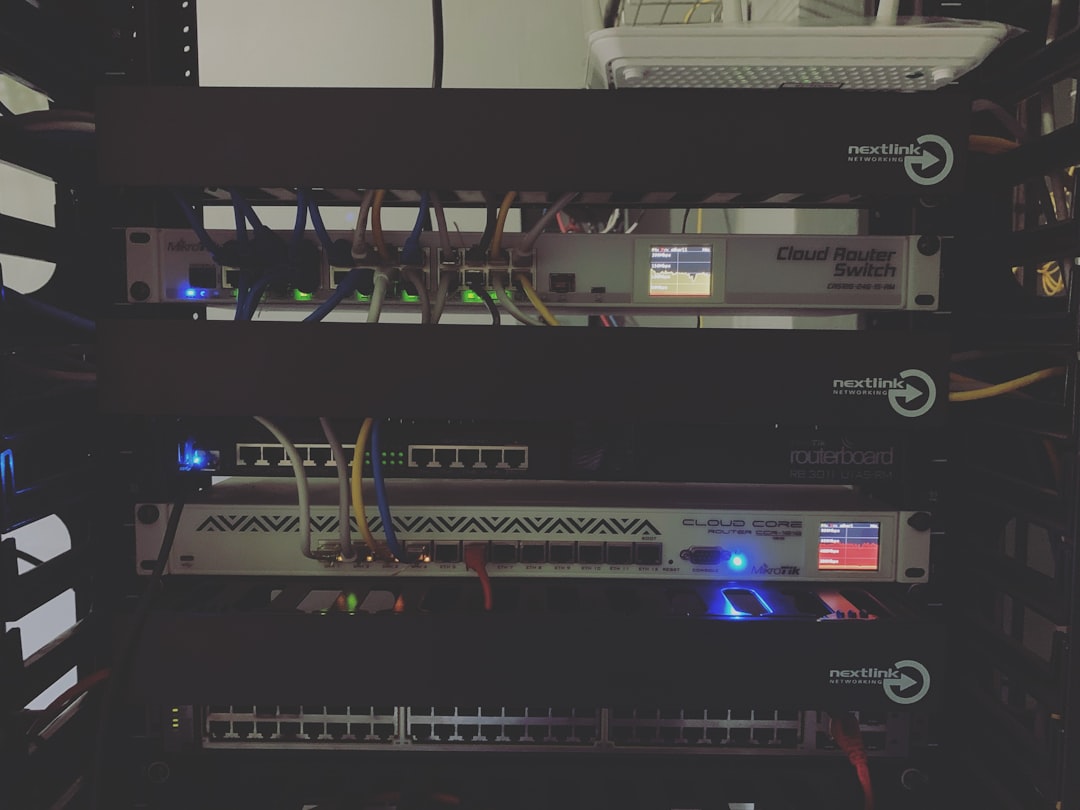
Use caution when modifying network settings. If uncertain, consult your ISP or router manufacturer.
Step 5: Confirm Server Status
Before spending extensive time troubleshooting, verify that Wiilink services are operational. Check official status pages or community forums. If an outage exists, waiting may be the only necessary action.
Step 6: Update Device Software
Navigate to system settings and confirm that your device firmware or application version is current. Updates often resolve compatibility glitches that generate error codes.
Step 7: Reset Network Settings
As a final measure, resetting your device’s network configuration can remove corrupted profiles or conflicting settings.
Be aware that this will require reconnecting to WiFi networks and re-entering credentials.
Preventing Future Connectivity Issues
Once Error 107305 is resolved, maintaining network hygiene reduces the likelihood of recurrence.
Maintain Updated Equipment
Regular firmware updates ensure compatibility with security patches and service changes.
Optimize Router Placement
Position your router:
- In an open area
- Away from thick walls and metal objects
- At an elevated height
This improves signal reliability and reduces interference.
Limit Network Congestion
Heavy downloads, streaming, or multiple connected devices can saturate bandwidth. Quality of Service (QoS) settings in modern routers allow prioritization of specific applications.
Use Wired Connections for Critical Tasks
Ethernet connections eliminate much of the instability associated with wireless networks. For gaming or streaming, a wired connection significantly reduces packet loss and latency spikes.
When to Contact Support
If you have attempted all troubleshooting steps and Wiilink Error Code 107305 persists, it may indicate:
- An account authentication issue
- ISP routing conflicts
- Hardware malfunction
- Permanent IP blocking due to policy violations
When contacting support, provide:
- Your device model
- Firmware version
- NAT type
- Internet provider name
- A detailed description of troubleshooting steps already taken
This information enables faster and more accurate assistance.
Final Thoughts
Although Wiilink Error Code 107305 may initially seem technical and concerning, it is almost always a resolvable connectivity issue. In most cases, the underlying cause stems from network instability, DNS misconfiguration, firewall interference, or temporary server disruptions. By following a structured troubleshooting approach—beginning with basic resets and progressing to advanced router adjustments—you can restore service efficiently and prevent recurrence.
Connectivity errors are rarely random; they are symptoms of identifiable communication breakdowns. By understanding how your device interacts with Wiilink servers and maintaining updated, properly configured network settings, you significantly reduce the likelihood of future disruptions. Careful, methodical action remains the most reliable path to resolution.