
As organizations increasingly rely on APIs to connect applications, partners, and customers, visibility into API performance and usage has become mission-critical. An API gateway is often the central control point for traffic, security, and versioning—but without strong analytics, it becomes a blind spot. Monitoring API calls is no longer just about uptime; it is about performance optimization, security detection, cost control, and compliance. Reliable API gateway analytics tools provide the insights needed to manage complex ecosystems with confidence.
TLDR: Monitoring API calls requires more than simple logs—it demands real-time visibility, security insights, and performance metrics. The right API gateway analytics tools help detect anomalies, optimize latency, track usage patterns, and enforce compliance. This article reviews six dependable tools that provide robust API monitoring capabilities. Each platform offers unique strengths depending on infrastructure, scale, and business needs.
Why API Gateway Analytics Matters
API gateways serve as intermediaries between clients and backend services, handling authentication, routing, rate limiting, and more. Without proper analytics, organizations risk undetected failures, performance bottlenecks, and security threats.
Effective API monitoring enables:
- Real-time visibility into request rates and response times
- Error detection and root-cause analysis
- Security monitoring for unusual traffic patterns
- Usage tracking for billing and capacity planning
- Regulatory compliance reporting and audit trails
Modern API ecosystems can process millions of requests per minute. Strong analytics help transform this volume of data into actionable intelligence.
1. Google Apigee Analytics
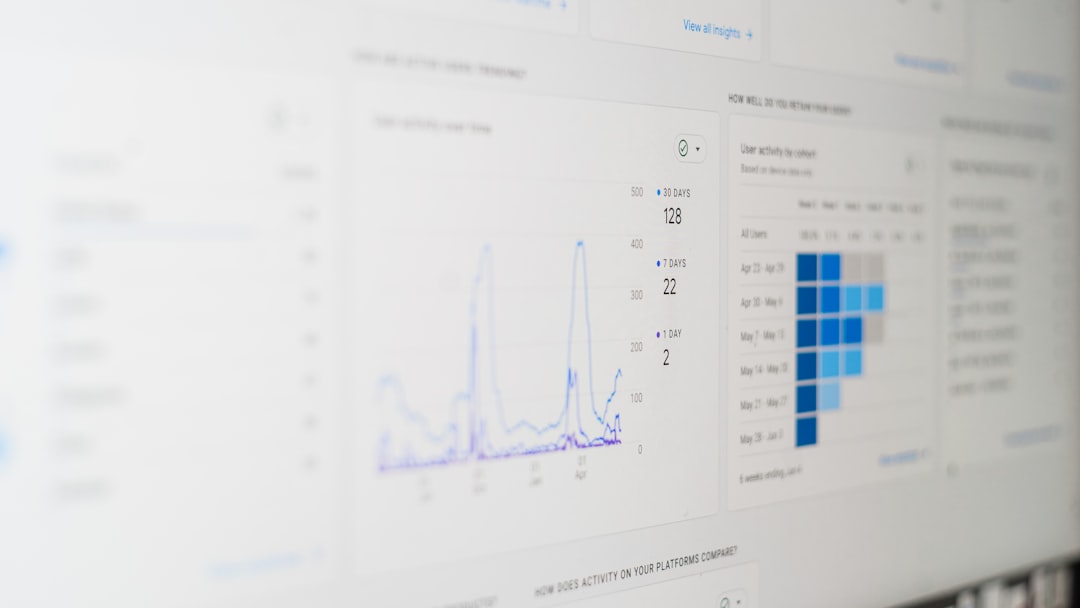
Google Apigee is a mature API management platform with deeply integrated analytics capabilities. It allows teams to monitor traffic patterns, developer engagement, and backend performance in near real time.
Key Features:
- Interactive traffic dashboards
- Custom reporting with granular filters
- Anomaly detection powered by machine learning
- Developer app performance tracking
- Built-in monetization metrics
Apigee stands out for its ability to correlate API traffic with business metrics. For enterprises operating across multi-cloud or hybrid environments, Apigee’s analytics provide consistent monitoring and centralized reporting.
Best suited for: Large enterprises requiring deep customization and advanced analytics capabilities.
2. Amazon API Gateway with CloudWatch
Amazon API Gateway integrates seamlessly with Amazon CloudWatch for monitoring and observability. Together, they provide detailed metrics, logs, and alerting systems.
Key Monitoring Metrics:
- Latency and integration latency
- 4XX and 5XX error rates
- Request count and cache hit ratio
- Throttling events
CloudWatch dashboards allow teams to visualize traffic trends, configure alerts for abnormal spikes, and automate responses. Organizations heavily invested in AWS benefit from this tightly integrated solution.
While it may require initial configuration for deeper insights, the combination offers scalability and reliability for high-volume workloads.
Best suited for: AWS-centric environments requiring scalable monitoring.
3. Kong Konnect Analytics
Kong has become one of the most widely adopted API gateway solutions, particularly in microservices architectures. Its Konnect platform provides real-time analytics across distributed systems.

Core Capabilities:
- Request tracing across services
- Real-time traffic analytics
- Service health monitoring
- Custom plugins for enhanced metrics
Kong’s strength lies in its lightweight architecture and flexibility. Teams can instrument APIs with monitoring plugins, enabling fine-grained insights into latency, upstream service performance, and traffic anomalies.
For organizations implementing service meshes or containerized environments, Kong integrates efficiently with Kubernetes and cloud-native stacks.
Best suited for: Cloud-native organizations managing microservices at scale.
4. Microsoft Azure API Management Analytics
Microsoft Azure API Management offers built-in analytics dashboards combined with Azure Monitor and Application Insights. This ecosystem provides comprehensive tracking of API health and usage patterns.
Notable Features:
- Pre-built and customizable dashboards
- Integration with Azure Monitor alerts
- Dependency tracking and distributed tracing
- Query-based log analysis
Azure’s approach emphasizes operational intelligence. Teams can drill down into specific requests, identify bottlenecks in backend dependencies, and analyze trends over time.
Additionally, role-based access controls and enterprise-grade security make it suitable for regulated industries.
Best suited for: Organizations operating in Microsoft-centric or hybrid environments.
5. MuleSoft Anypoint Analytics
MuleSoft’s Anypoint Platform is designed for API-led connectivity across enterprise systems. Its analytics capabilities provide end-to-end visibility across APIs and integrations.

Primary Advantages:
- Cross-API performance monitoring
- Business transaction tracking
- Custom dashboard creation
- Role-specific reporting views
One of MuleSoft’s distinguishing qualities is its business-centric visibility. It allows organizations to map technical API metrics directly to business outcomes, such as transaction completion rates or partner usage.
The platform is particularly useful when APIs span multiple legacy systems, SaaS providers, and on-premise assets.
Best suited for: Enterprises requiring integration-heavy solutions and business-aligned metrics.
6. Tyk Analytics
Tyk is an open-source API gateway that provides robust analytics without the complexity of larger enterprise platforms. It offers both self-managed and cloud-hosted options.
Core Features:
- Traffic segmentation and filtering
- Error monitoring and response breakdown
- Rate limit and quota tracking
- Customizable analytics dashboards
Tyk’s analytics are designed for clarity and ease of use. Teams can quickly identify spikes in traffic, unusual error patterns, or misuse of API keys. Its open architecture also allows easy integration with external observability tools.
For organizations that value flexibility and cost efficiency, Tyk presents a compelling option.
Best suited for: Growing teams and developers seeking customizable, open-source-friendly solutions.
Key Criteria for Choosing an API Analytics Tool
When evaluating API gateway analytics solutions, decision-makers should consider the following criteria:
- Real-Time Monitoring: The ability to detect issues immediately and trigger alerts.
- Scalability: Support for increasing traffic loads without degradation.
- Security Insights: Visibility into abnormal behavior and potential attacks.
- Customization: Flexible dashboards and exportable reports.
- Integration Capabilities: Compatibility with cloud providers, Kubernetes, and observability stacks.
- Cost Structure: Pricing that scales predictably with usage.
No single solution fits every organization. The ideal tool aligns with existing infrastructure, compliance requirements, and long-term API strategy.
Security and Compliance Considerations
API gateways often serve as enforcement points for authentication and authorization. Analytics tools must therefore support:
- Audit trails for regulatory reporting
- Threat detection and anomaly identification
- Data retention controls
- Encryption and access governance
Monitoring failed authentication attempts, token misuse, and geographic anomalies can significantly reduce exposure to security threats. Advanced platforms also incorporate artificial intelligence to recognize evolving attack patterns.
The Strategic Value of API Call Monitoring
Monitoring API calls is not only an operational necessity—it is a strategic advantage. Accurate analytics enable better capacity planning, improved partner relationships, and informed product decisions.
For example, analyzing request frequency and response latency can reveal underutilized services or overloaded endpoints. Similarly, understanding consumer behavior patterns allows product teams to refine API offerings.
Ultimately, API analytics bridge the gap between technical performance and business performance.
Conclusion
APIs are foundational to digital transformation, but their value depends on visibility and control. Without comprehensive monitoring, organizations risk downtime, security breaches, and missed optimization opportunities.
The six API gateway analytics tools discussed—Google Apigee, Amazon API Gateway with CloudWatch, Kong Konnect, Azure API Management, MuleSoft Anypoint, and Tyk—each deliver dependable monitoring features. Selecting the right solution requires careful evaluation of infrastructure alignment, scalability, and reporting depth.
Serious API governance demands serious analytics. By investing in robust API call monitoring, organizations ensure performance stability, protect sensitive data, and maintain operational resilience in an increasingly interconnected world.