Most people think of a SIM card as a tiny chip that stores a few contacts and lets a phone connect to a mobile network. But that small piece of plastic is actually a powerful, secure microcomputer working behind the scenes every time you make a call, send a text, or use mobile data. Hidden inside it is sophisticated security technology, encrypted identity data, and applications that quietly manage your mobile experience.
TLDR: Your SIM card is much more than a storage device for contacts. It contains a secure microprocessor that authenticates your identity, encrypts communications, connects you to your carrier, and even runs small applications. Without it, your phone cannot properly access cellular networks. Understanding what’s inside a SIM card reveals just how advanced this tiny piece of technology really is.
Let’s take a deeper look inside your SIM card and discover what makes it one of the most important components of your phone.
What Exactly Is a SIM Card?
SIM stands for Subscriber Identity Module. It is essentially a miniature computer embedded in a piece of plastic small enough to slide into your phone. Over the years, SIM cards have shrunk in size—from standard SIM to micro SIM, nano SIM, and now even embedded eSIM technology—but their core purpose remains the same: to securely identify you on a mobile network.
Each SIM is uniquely linked to a subscriber account through a special number called the IMSI (International Mobile Subscriber Identity). This number is how mobile carriers recognize who you are and what services you are allowed to access.
Inside the Chip: A Tiny Secure Computer
A SIM card is far more sophisticated than a memory card. Inside it, you’ll find:
- A microprocessor – Similar in concept to the CPU in your computer but designed for secure operations.
- ROM (Read Only Memory) – Stores the SIM’s operating system.
- RAM (Random Access Memory) – Helps process temporary tasks.
- EEPROM or Flash memory – Stores subscriber data and security keys.
- Cryptographic engine – Performs encryption and authentication operations.
This hardware allows the SIM to run its own operating system and execute secure commands independently from your phone. In other words, your SIM card doesn’t just store information — it actively processes it.
Authentication: Proving Who You Are
The most critical function of a SIM card is authentication. When your phone connects to a mobile network, it must prove that you are a legitimate subscriber. Here’s how the process works:
- Your phone sends a request to the nearest cell tower.
- The network sends a random challenge number to your SIM.
- Your SIM uses a secret cryptographic key stored inside it to calculate a response.
- The network checks the response. If it matches, access is granted.
This challenge-response mechanism ensures that even if someone intercepts the communication, they cannot impersonate you — because the secret key never leaves the SIM.
The key itself is stored securely and cannot be read directly, even by your phone’s operating system. This design makes SIM cards highly resistant to tampering.

Data Stored on a SIM Card
Although modern smartphones store most data internally or in the cloud, SIM cards can still hold certain information:
- IMSI (International Mobile Subscriber Identity)
- Authentication key (Ki)
- Temporary network data
- SMS messages (limited storage)
- Contacts (very limited number)
- Service provider information
Early mobile phones relied heavily on SIM-based contact storage, which is why many still associate SIMs primarily with contacts. However, modern SIMs typically store only minimal user data because smartphones handle storage more efficiently.
SIM Applications: More Than Identity
Many SIM cards can run small programs using something called the SIM Application Toolkit (STK). This toolkit enables the SIM to interact with your phone and sometimes even with the user.
Examples of SIM-based applications include:
- Carrier service menus
- Mobile payment systems
- Prepaid balance checks
- Roaming management tools
- Two-factor authentication services
In some countries, SIM cards have been used for mobile banking and secure payment systems long before smartphones became widespread. Because SIMs are tamper-resistant, they provide a trusted environment for financial transactions.
SIM Sizes and Evolution
While functionality has grown, physical size has shrunk dramatically. Below is a comparison of SIM formats:
| Type | Dimensions | Introduced | Common Usage |
|---|---|---|---|
| Standard SIM | 25 × 15 mm | 1990s | Early mobile phones |
| Micro SIM | 15 × 12 mm | 2003 | Early smartphones |
| Nano SIM | 12.3 × 8.8 mm | 2012 | Modern smartphones |
| eSIM | Embedded chip | 2016+ | Smartphones, smartwatches, IoT devices |
eSIM technology represents the next step in evolution. Instead of inserting a physical card, the SIM functionality is built directly into the device. Users can switch carriers digitally without swapping hardware.
Security Features That Protect You
SIM cards are designed with multiple layers of security:
- PIN codes – Prevent unauthorized access if your phone is stolen.
- PUK codes – Unlock the SIM if the PIN is entered incorrectly multiple times.
- Encryption algorithms – Protect voice calls and SMS data.
- Tamper resistance – Physical defenses against chip probing.
The SIM acts as a secure vault. Even if malware infects your phone, extracting the cryptographic keys inside the SIM is extremely difficult.
However, SIM cards are not invincible. SIM swapping scams exploit human procedures at carrier stores rather than technical flaws in the chip itself. In these cases, attackers convince a carrier to transfer your number to a new SIM card. The weakness lies in identity verification processes, not in SIM hardware security.
SIM Cards in the Age of IoT
SIM technology is no longer limited to phones. Today, SIMs are embedded in:
- Smartwatches
- Cars with built-in connectivity
- Industrial monitoring systems
- Smart meters
- Connected medical devices
In the Internet of Things (IoT), SIM cards authenticate machines just as they authenticate people. Each connected device uses its SIM credentials to securely access cellular networks.
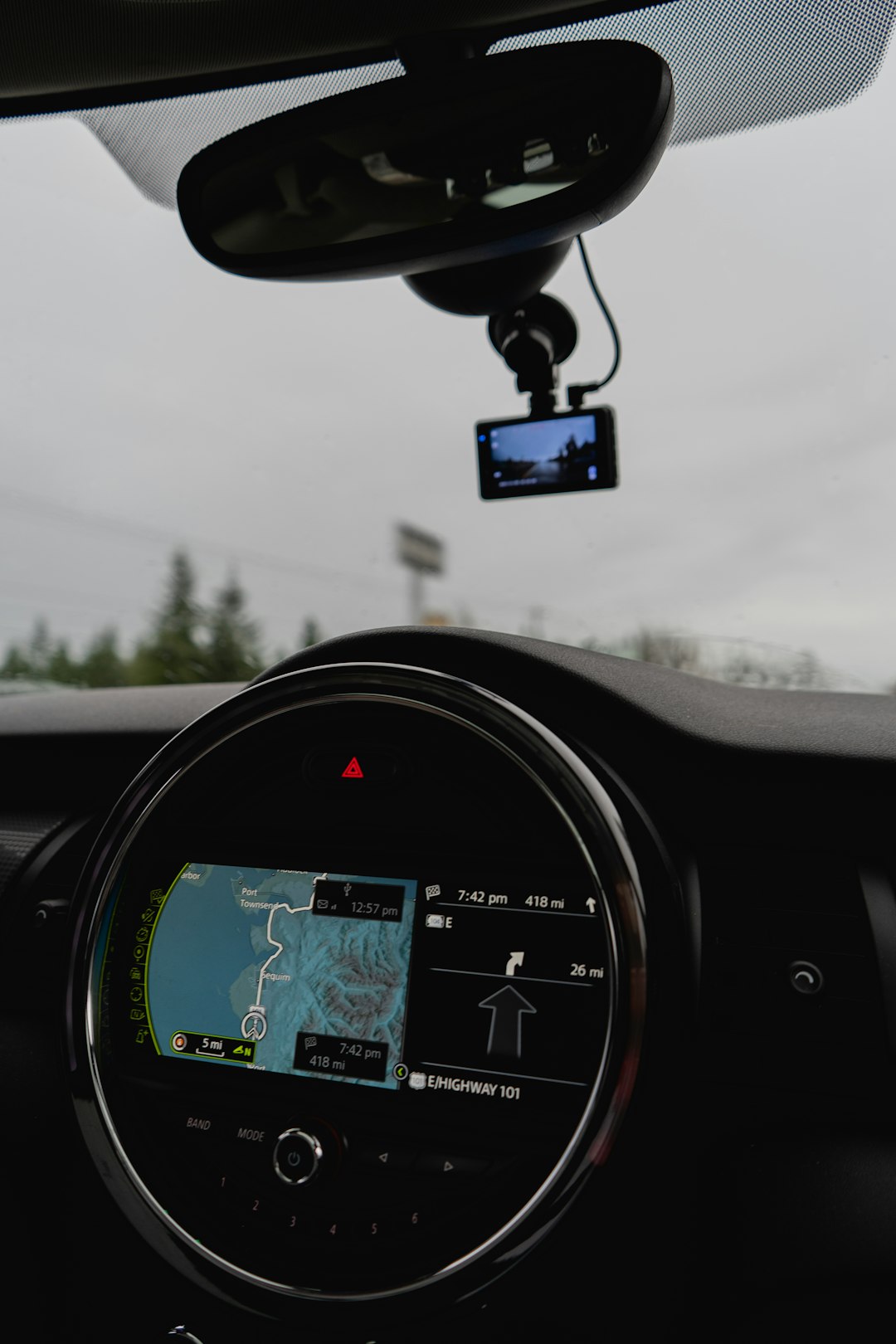
This capability allows manufacturers to deploy millions of devices worldwide while maintaining secure and manageable connectivity.
How SIM Cards Differ from SD Cards
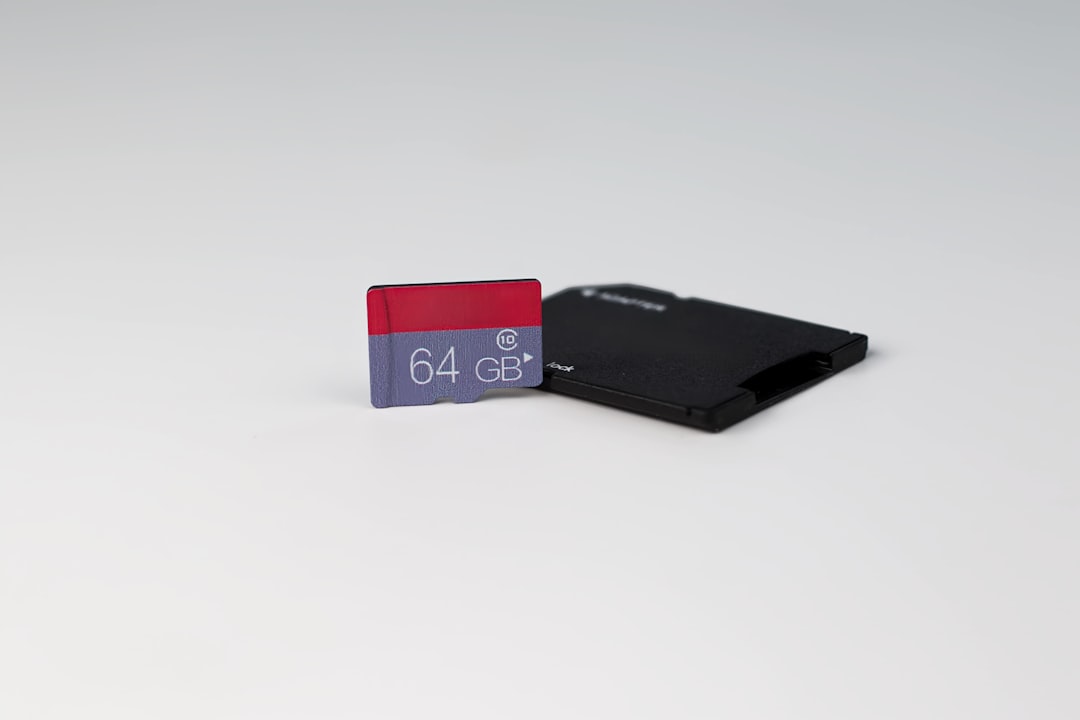
Many people confuse SIM cards with SD cards. The difference is significant:
- SIM card: Identity, authentication, secure processing.
- SD card: Media storage (photos, videos, files).
An SD card is essentially digital storage. A SIM card is a secure identity module with computing power. Removing your SD card affects storage; removing your SIM card disconnects you from your mobile identity.
The Future: Life Beyond Physical SIMs
The trend is moving toward fully digital identity modules. eSIM and iSIM (integrated SIM embedded directly into a device’s processor) eliminate the need for physical slots. This enables:
- Slimmer device designs
- Improved water resistance
- Remote carrier switching
- Better global roaming flexibility
Yet even as the physical form changes, the core purpose remains: secure subscriber authentication.
Final Thoughts
Your SIM card may be small enough to lose between your fingertips, but it plays an enormous role in modern communication. It is a secure microcomputer, an encrypted identity vault, and a gateway to global cellular networks. Without it, your smartphone would struggle to function as a phone at all.
Next time you swap a SIM card or activate an eSIM, remember that you’re not just inserting a piece of plastic — you’re activating a highly secure digital passport that proves who you are in the vast ecosystem of mobile networks worldwide.