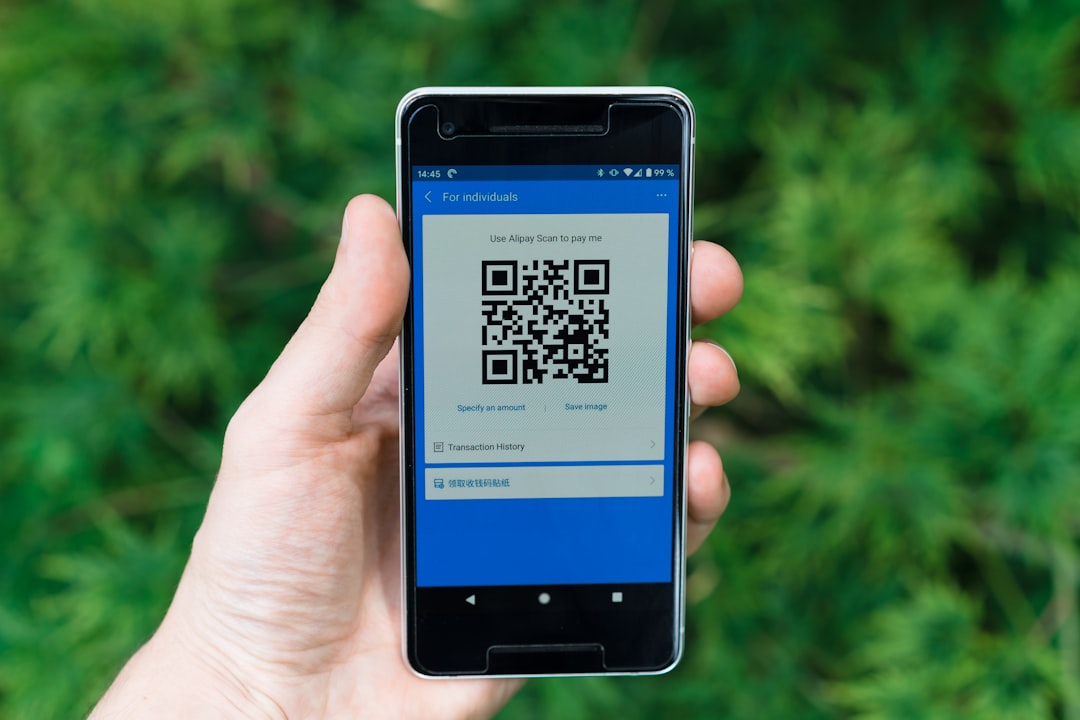
Using an eSIM on Android in Sri Lanka can feel like magic. No tiny plastic SIM. No paperclip hunt. No “where did I put that SIM tray?” drama. You scan a QR code, tap a few buttons, and boom, your phone is online.
TLDR: You might need to change your eSIM provider in Sri Lanka if your signal is weak, your data is too slow, or your plan costs too much. You may also switch because another provider has better coverage in places like Colombo, Kandy, Ella, Galle, or Jaffna. On Android, changing an eSIM is usually easy, but you should check coverage, prices, support, and device compatibility first.
Why changing your eSIM provider is not a big deal
Changing your eSIM provider may sound scary. It is not. It is usually easier than changing a light bulb. And it is much easier than explaining cricket rules to someone in five minutes.
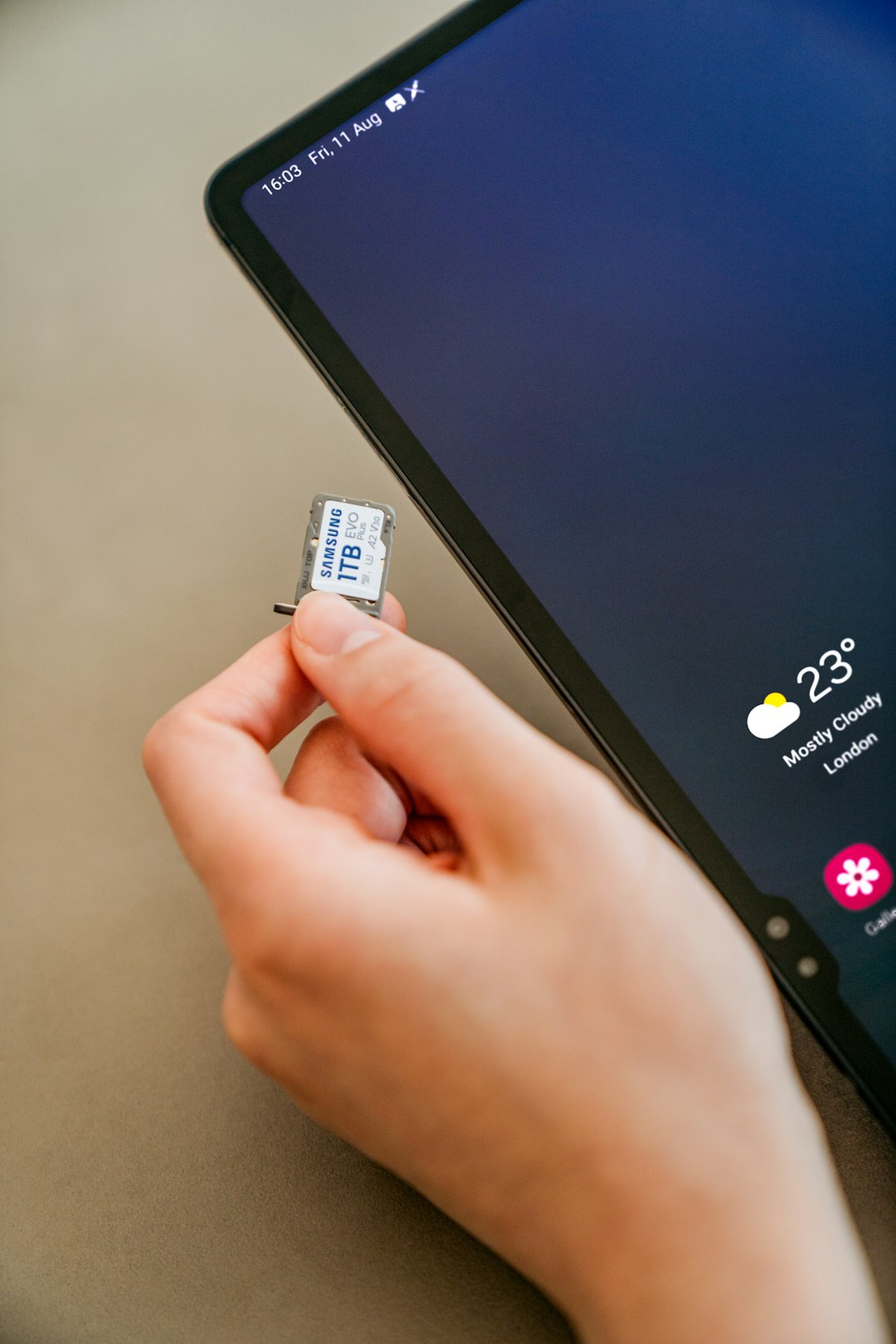
An eSIM is a digital SIM. It lives inside your phone. You do not insert anything. You just install a mobile plan on your Android device. This can be from a local Sri Lankan network or from an international travel eSIM company.
But here is the fun part. You are not married to one eSIM provider. If one provider makes you unhappy, you can move. Your phone will not cry. It will just ask for a new QR code or activation details.
1. Your signal is weak in the places you visit
This is the number one reason to change. A provider may work well in Colombo. Then you take a train to Ella, and suddenly your phone becomes a fancy camera with no internet.
Sri Lanka has mountains, beaches, forests, villages, and busy cities. Coverage can change a lot from place to place. One provider may be strong in Kandy. Another may be better near the southern coast. Another may perform better in the north or east.
You may need to switch if you often see:
- No service in your room, office, or hotel.
- One bar while everyone else has full signal.
- Calls dropping during important chats.
- Maps freezing when you need directions.
- Slow uploads when sending photos or videos.
In Sri Lanka, this matters a lot. You may need Google Maps for tuk tuk rides. You may need WhatsApp to contact your guesthouse. You may need data to check train times. A weak eSIM can turn a simple day into a mini adventure. Not always the good kind.
2. Your data speed is too slow
Slow internet is annoying everywhere. But slow internet on holiday or during work is extra painful. You tap. You wait. You sigh. You refresh. You question life.
Maybe your provider says “fast data.” But in real life, your video call looks like a blurry potato. Your Instagram story uploads when the sunset is already gone. Your banking app loads so slowly that you start counting ceiling fans.
There are many reasons for slow speed:
- The network is crowded.
- Your provider has lower priority on a partner network.
- You used your high speed limit.
- Your phone is connected to 3G or weak 4G.
- The area has poor mobile infrastructure.
If speed matters, compare providers. Look for 4G or 5G support. Check if the plan has a fair usage policy. Some plans look unlimited, but slow down after a data limit. That is like being promised a buffet, then getting one tiny hopper.
3. Your eSIM plan is too expensive
Money matters. Especially when you are paying for data, rides, food, hotels, and maybe too many king coconuts.
Some travel eSIM plans are very convenient. But they can also cost more than local options. If you are staying in Sri Lanka for a longer time, it may be cheaper to use a local provider. If you are staying only a few days, a travel eSIM may still be fine.
You may want to change if:
- You pay too much for a small amount of data.
- You need to top up again and again.
- Your plan expires too fast.
- Another provider offers better tourist or prepaid packages.
- You find a local eSIM deal with more data.
Do a quick price check. Compare cost per gigabyte. Also check validity. A cheap plan that expires in three days may not be cheap at all.
4. You need better coverage for travel around Sri Lanka
Sri Lanka is small on the map. But it is full of different travel zones. You can be in traffic in Colombo in the morning. You can be in tea country by evening. Your eSIM must keep up.
If you only stay in one city, your needs are simple. But if you travel a lot, coverage becomes very important.
Think about your route:
- Colombo: Good for business, airports, hotels, and city life.
- Kandy: Hills, temples, and busy streets.
- Ella: Mountains, trains, hikes, and patchy zones.
- Galle: Forts, beaches, cafes, and tourists.
- Jaffna: Northern travel and longer distances.
- Yala or Wilpattu: Wildlife areas with limited signal.
A provider that is great in one place may be weak in another. If your trip includes remote beaches or hill country, read recent reviews. Ask locals. Ask your hotel. Ask your driver. They often know which networks behave well in that area.
5. Customer support is slow or confusing
When eSIM trouble happens, you want help fast. Not tomorrow. Not after three chatbots ask the same question. Fast.
You may need support when:
- Your QR code does not work.
- Your plan will not activate.
- Your data works, but calls do not.
- Your payment goes through, but no plan appears.
- You move to a new Android phone.
Good support makes life easy. Bad support makes you want to throw your phone into the sea. Please do not do that. Phones cannot swim.
If your provider has poor support, change. Look for a provider with clear setup guides, live chat, WhatsApp help, or a local shop. In Sri Lanka, a physical store can be very useful. You can walk in and say, “Please fix this.” Sometimes that is better than sending five emails.
6. Your Android phone does not play nicely with the provider
Not every Android phone supports eSIM. And not every eSIM provider supports every Android model. This is where things get a little spicy.
Popular phones like Google Pixel, Samsung Galaxy, and some Motorola devices may support eSIM. But support depends on the model, region, and software version. Some phones have eSIM hardware but the feature may be disabled by the carrier or region.
Before changing provider, check:
- Does your Android phone support eSIM?
- Is your phone unlocked?
- Does your provider support your exact model?
- Can your phone store multiple eSIM profiles?
- Can it use one physical SIM and one eSIM together?
If your current eSIM keeps failing, the provider may not be the right match. It is like trying to charge your phone with a banana. Creative, but useless.
7. You want dual SIM convenience
Many Android phones let you use two mobile lines. This is very useful in Sri Lanka.
You can keep your home number active for bank texts. Then use a Sri Lankan eSIM for cheap data. Or you can use one line for calls and another for internet. This is great for remote workers, business travelers, and anyone who lives on WhatsApp.
You may switch eSIM providers if one does not allow the setup you want. For example, some eSIM plans may be data only. That is fine if you only need internet. But it is not fine if you need a local number for calls or SMS.
Ask these questions:
- Do I need data only?
- Do I need calls and texts?
- Do I need a Sri Lankan number?
- Do I need to keep my home SIM active?
- Do I need hotspot sharing?
Pick the provider that fits your real life. Not the one with the prettiest ad.
8. Hotspot is blocked or limited
Hotspot is a lifesaver. It lets your phone share internet with your laptop, tablet, or friend’s phone. It is perfect when hotel Wi Fi is slower than a sleepy turtle.
But some eSIM plans limit hotspot. Some may block it. Some may reduce speed when you share data.
This is a big deal if you:
- Work online from cafes or hotels.
- Use a laptop while traveling.
- Need internet for Zoom or Google Meet.
- Travel with family and share one plan.
- Upload photos or videos often.
If hotspot matters, check the rules before buying. If your current provider blocks it, switch to one that allows tethering. Your laptop will thank you.
9. Your plan expires at the wrong time
Some eSIM plans have strange validity periods. Three days. Seven days. Fifteen days. Thirty days. This can be fine. Or it can be annoying.
Imagine your plan expires during a bus ride. Or while checking into a hotel. Or right before ordering a ride. That is not fun. That is mobile chaos.
If you stay in Sri Lanka longer than planned, you may need a provider with easier top ups. You may also need one with monthly packages. This is common for digital nomads, students, and long stay visitors.
Choose a provider that lets you renew without pain. If top ups feel like solving a puzzle, change.
10. You found a better local offer
Sri Lanka has strong mobile competition. Offers can change often. One month, your plan looks great. Next month, another provider gives more data, better speed, or better coverage.
Local providers may offer prepaid packages for data, voice, and social apps. Travel eSIM companies may offer quick setup before you land. Both can be useful. The best choice depends on your trip length and needs.
If you are staying longer, local options may be better value. If you are landing at night and need instant internet, a travel eSIM can be easier. If you want both, you can start with a travel eSIM and later switch to a local eSIM.
That is the beauty of eSIM. You can adapt.
11. You need better privacy or account control
Some users care a lot about privacy. That is smart. Your mobile provider can affect how your account is managed, how payments are handled, and what personal details are required.
Local rules may require identity checks for mobile services. Travel eSIM providers may have different account systems. Some apps are simple. Some feel messy. Some require too many steps.
You might switch if you want:
- Clearer account settings.
- Better payment options.
- Simple top up controls.
- Easy data tracking.
- More transparent terms.
A good eSIM provider should not make you feel lost. You should know what you bought, how much data remains, and when it expires.
How to change your eSIM provider on Android
The exact steps can change by phone brand. But the basic idea is simple.
- Check that your phone is unlocked. A locked phone may not accept another provider.
- Buy the new eSIM plan. You may get a QR code or activation code.
- Open Android settings. Go to Network and Internet or Connections.
- Choose SIMs or Mobile Network. Tap to add an eSIM.
- Scan the QR code. Follow the setup steps.
- Set your default data line. Pick the new eSIM for mobile data.
- Test it. Open a website, send a message, and check speed.
- Remove the old eSIM if needed. Do this only when you are sure the new one works.
Important tip. Do not delete your old eSIM too early. Some eSIMs cannot be reinstalled without help. Test first. Celebrate later.
What to check before switching
Before you jump to a new provider, do a quick checklist. It can save time, money, and forehead wrinkles.
- Coverage: Does it work well where you will go?
- Speed: Is 4G or 5G available?
- Price: What is the real cost per gigabyte?
- Validity: How long does the plan last?
- Hotspot: Can you share data?
- Support: Is help easy to reach?
- Calls and SMS: Are they included?
- Top ups: Can you renew easily?
- Android support: Does it work with your model?
When should you not switch?
Sometimes switching is not needed. If your eSIM works well, keep it. If the price is fair, the speed is good, and the signal is strong, enjoy your peace.
Do not switch just because one person online complained. Mobile networks can behave differently by location. A bad review from one beach town may not matter if you are staying in Colombo.
Also, avoid switching right before an important meeting or trip. Set up the new eSIM when you have Wi Fi nearby. Keep your QR code saved. Have your passport or ID ready if needed. Make life easy for future you.
Final thoughts
Changing your eSIM provider on Android in Sri Lanka can be a smart move. It can give you better signal, faster data, lower costs, and less stress. It can also help if you travel across the island or need hotspot for work.
The key is simple. Pick the provider that matches your actual needs. Not your friend’s needs. Not a random ad. Your needs.
If your current eSIM is slow, costly, confusing, or weak in the places you visit, it may be time to switch. Your Android phone is ready. Sri Lanka is waiting. And your internet should not be the thing slowing down the adventure.